Columbia or Ellicott City for D.C. and Baltimore Commuters
June 4, 2026
June 4, 2026
Choosing between Columbia and Ellicott City for a daily D.C. or Baltimore commute can feel harder than it looks. On paper, the average travel times are very close, but your real experience often comes down to which road corridor, park-and-ride, or transit option fits your routine best. If you are weighing both communities in Howard County, this guide will help you compare commute patterns, transit access, neighborhood layout, and day-to-day lifestyle so you can make a more confident move. Let’s dive in.
If you are focused only on average travel time, Columbia and Ellicott City are surprisingly close. The U.S. Census Bureau’s 2020 to 2024 estimates show a mean travel time to work of 27.9 minutes in Columbia and 28.2 minutes in Ellicott City.
That small gap tells you something important. For most buyers, this is not really a story about one town having a dramatically shorter commute than the other. It is more about how you want to access the region each day.
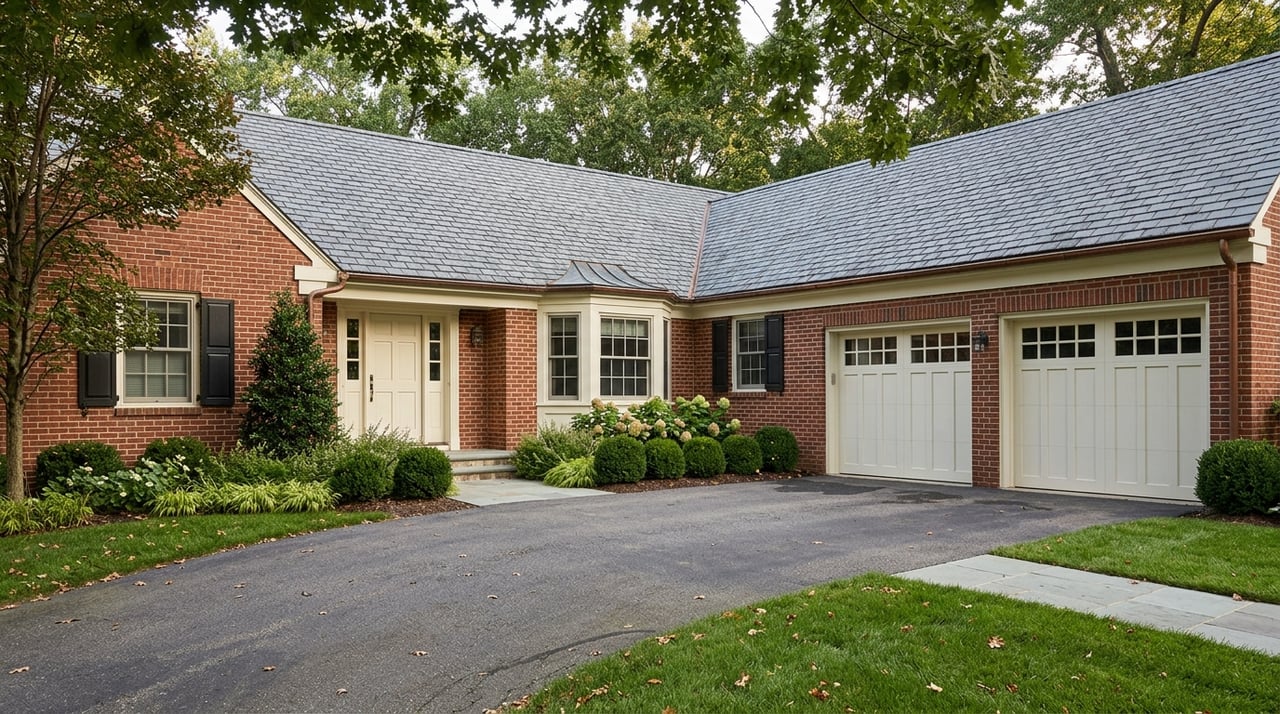
Columbia and Ellicott City sit in different parts of Howard County’s transportation network. Columbia is a planned community of about 100,000 residents, organized into 10 villages with pathways, open space, lakes, and community facilities.
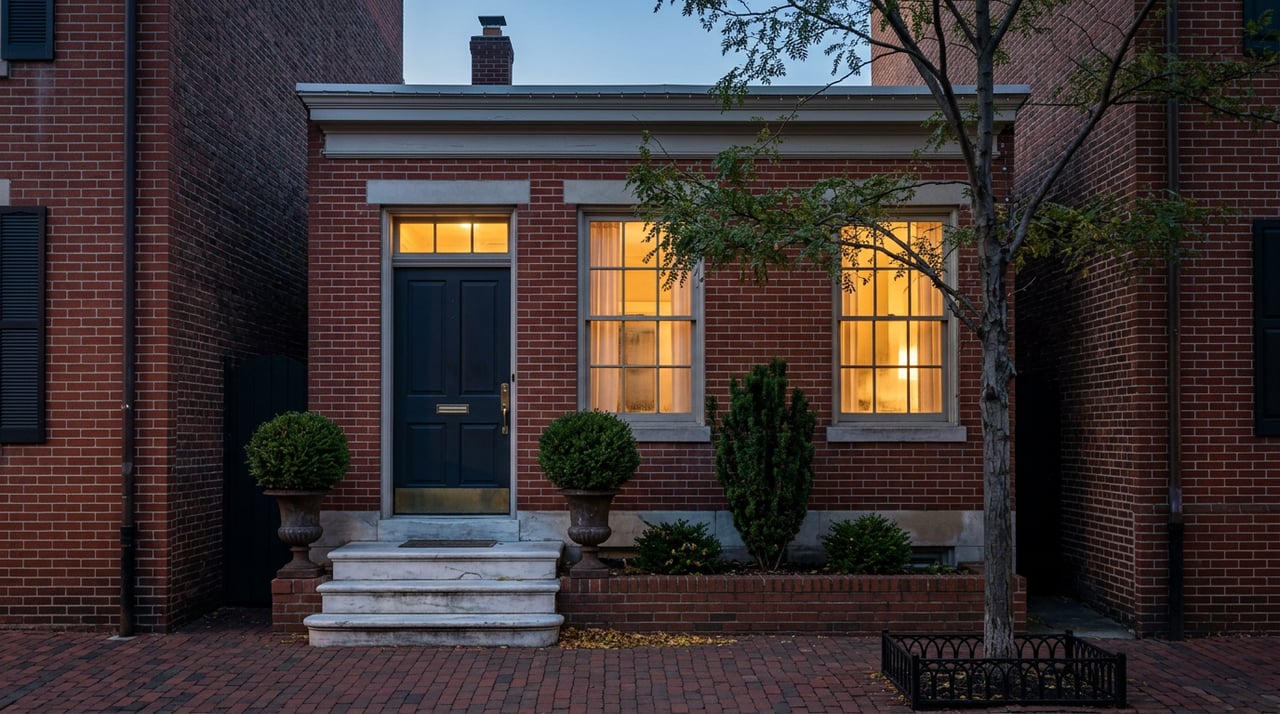
Ellicott City has a very different physical layout. Its historic core is built into steep, rocky terrain with narrow terraces, hillsides, and circulation patterns shaped by older streets and topography.
That difference affects how commuting feels in real life. Columbia tends to spread activity across village centers, larger roads, and park-and-ride nodes, while Ellicott City often feels more concentrated around a smaller core and ridge-top areas.
If your regular destination is Baltimore, Columbia usually has the clearer edge. Maryland MTA commuter bus route 310 runs from Columbia to downtown Baltimore, with stops including Columbia Mall, Little Patuxent, Snowden River Park and Ride, and several Baltimore City destinations.
That direct connection gives Columbia a practical advantage for buyers who want a more defined transit option into Baltimore. If you prefer to leave the car behind for part of your trip, that route can make your routine more predictable.
Ellicott City can still work for Baltimore-area commuters, especially depending on where you live and whether you drive most of the way. But based on current commuter bus service, Columbia offers the stronger direct bus connection.
For Washington commuters, both communities are workable. The difference is that Columbia has a broader menu of commuter-bus options, while Ellicott City’s strongest shared option is route 345 and nearby MARC access through Dorsey in Elkridge.
MTA commuter routes from Columbia include:
For many buyers, that wider bus network makes Columbia the more flexible base for a D.C. commute. If one route, stop, or schedule does not fit your workday, you may have more alternatives nearby.
If you are comparing Columbia and Ellicott City specifically for a D.C. commute, route 345 deserves special attention. It is the clearest shared commuter-bus option serving both areas.
Its stops include Long Gate Park and Ride, Columbia 100 Parkway and Executive Park Drive, Phelps Luck, Tamar Drive, Snowden River Park and Ride, Broken Land Park and Ride, and Clarksville Park and Ride. That range gives Howard County commuters several ways to build a daily routine around parking and transit access.
For Ellicott City buyers, Long Gate Park and Ride can be especially relevant. For Columbia buyers, stops such as Snowden River Park and Ride and Broken Land Park and Ride may be central to the decision.
Neither Columbia nor Historic Ellicott City has an active MARC station in town. For rail commuters on this side of Howard County, the conversation usually turns to nearby stations instead of an in-town train stop.
One of the key options is Dorsey in Elkridge on the Camden Line. MTA lists Dorsey at Route 100 between U.S. 1 and MD 295, with free parking and roughly 750 to 800 spaces depending on the MTA page.
That can make Ellicott City attractive for buyers who want to stay close to a nearby rail option. Columbia buyers may also use Dorsey, but the appeal often depends on exactly where in Columbia you plan to live and how much driving you want before boarding a train.
If Fort Meade is your destination, the better choice often depends less on town name and more on highway pattern. Howard County’s official driving directions highlight that Columbia Gateway is approached from Route 175 and I-95, while the Ellicott City campus is approached from Route 40 eastbound and Route 29.
That difference is a useful shorthand for how each community plugs into the regional road grid. For many Fort Meade commuters, the winning choice is the one that lines up more naturally with the corridor you expect to use most often.
Commute math matters, but so does how the rest of your day works. Columbia’s village structure is one of its biggest advantages for people who want a more distributed suburban routine.
According to the Columbia Association, the community includes 10 villages, village centers, neighborhood centers, more than 60 facilities, about 3,600 acres of open space, three lakes, and 95 miles of pathways. That kind of layout can make it easier to combine errands, recreation, and commuting within a more organized pattern.
Ellicott City offers a different experience. Its appeal is more tied to historic character, a smaller core, and destination-oriented places such as Historic Main Street and other civic and cultural spaces.
That character can be a real draw, but it comes with tradeoffs. Howard County planning documents note circulation constraints in Historic Ellicott City, including parking, wayfinding, and high-ground emergency access shaped by the landscape.
Your budget and long-term goals may also point you toward one community over the other. Census data shows Columbia with a 64.8% owner-occupied rate and a median owner-occupied home value of $497,400.
In Ellicott City, the owner-occupied rate is 72.0% and the median owner-occupied home value is $661,700. That suggests Ellicott City is generally the more owner-occupied and higher-priced of the two.
Columbia, by contrast, is larger and more mixed. For buyers who want a wider range of settings within one planned community, that can be a meaningful advantage.
If you are moving to Howard County with children, both Columbia and Ellicott City are part of the Howard County Public School System. HCPSS reports 78 schools and education centers, 57,031 students, and a 91.30% graduation rate for the Class of 2025.
Because attendance boundaries can change through formal review, it is smart to verify any specific address with the HCPSS School Locator before making a housing decision. In a move like this, assumptions based on a town name alone can lead to surprises.
For hybrid workers, local mobility can also matter. Howard County transit data notes HoCo RapidRide on-demand microtransit and the Old Ellicott City Trolley circulator, which may be useful for errands and shorter local connections even if they are not your primary commuter option.
Columbia is often the stronger all-around commuter base if you want the deepest commuter-bus network, a direct Baltimore line, and a large planned-community amenity system. It can be a strong fit if your routine is built around park-and-ride access, multiple transit choices, and a more structured suburban layout.
Ellicott City may be the better fit if you value historic character, a smaller-scale setting, and proximity to shared D.C. bus access plus nearby MARC access at Dorsey. It often appeals to buyers who care as much about neighborhood feel as they do about the commute itself.
In the end, the right choice usually comes down to one question: is your day more transit-node driven or neighborhood-character driven? If you can answer that clearly, the Columbia versus Ellicott City decision gets much easier.
If you are comparing Howard County communities and want guidance tailored to your commute, budget, and lifestyle, The Baldwin & Griffin Group of Compass can help you narrow the options and move with confidence.
Stay up to date on the latest real estate trends.