Living in Otterbein Baltimore: What Daily Life Feels Like
June 25, 2026
June 25, 2026
Ever wonder what it would actually feel like to live in Otterbein, not just visit it for an afternoon? If you are trying to picture your routine here, the answer is less about nonstop activity and more about balance. You get a historic, walkable setting near Downtown, the Inner Harbor, and Federal Hill, with a day-to-day pace that feels more residential than tourist-heavy. Let’s dive in.
One of the first things you notice about Otterbein is how connected it feels. Baltimore City describes it as a small historic district of renovated rowhousing and compatible infill, and it sits directly west of the Inner Harbor. Live Baltimore also notes that it is within a short walk of the Central Business District, Camden Yards, and other major destinations.
That location shapes your daily routine in a very practical way. You are near some of Baltimore’s busiest destinations, but you are not living in the middle of the most active nightlife blocks. In everyday terms, that means convenience without the same level of constant foot traffic you might expect closer to the busiest entertainment corridors.
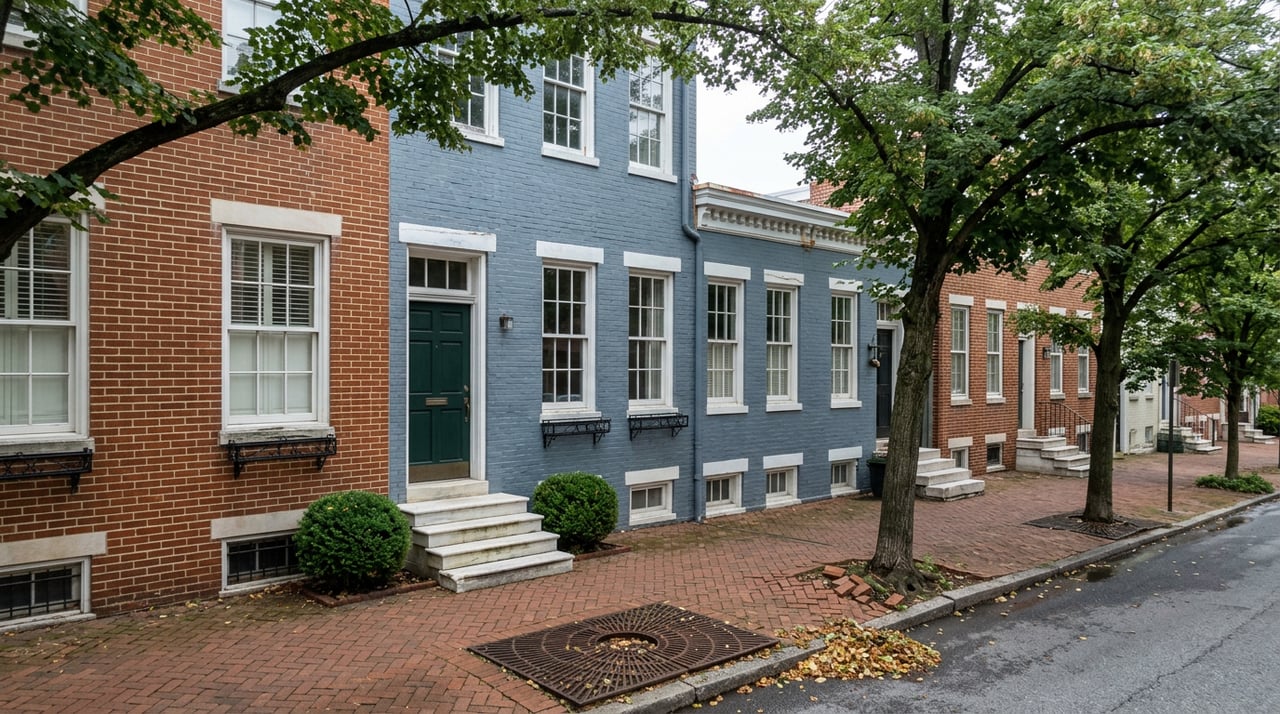
Otterbein is compact, and that has a big impact on how it feels. Baltimore City’s complete-streets plan says the neighborhood is about 50 acres, with tree-lined streets and brick and cobblestone sidewalks. The same plan also notes a desire among residents to keep the area quiet, family-friendly, and beautiful.
That gives Otterbein a different rhythm than people sometimes expect from a neighborhood this close to the harbor. Instead of feeling like a commercial district with activity on every block, it reads more like a residential pocket tucked into the city. You are close to the action, but the neighborhood itself tends to feel more settled.
If you like classic Baltimore architecture, Otterbein makes a strong impression. Baltimore City’s preservation office describes it as one of the city’s best-preserved areas and notes that it became a historic district in 1983. The area is also recognized as one of the few surviving residential neighborhoods near the city’s original founding.
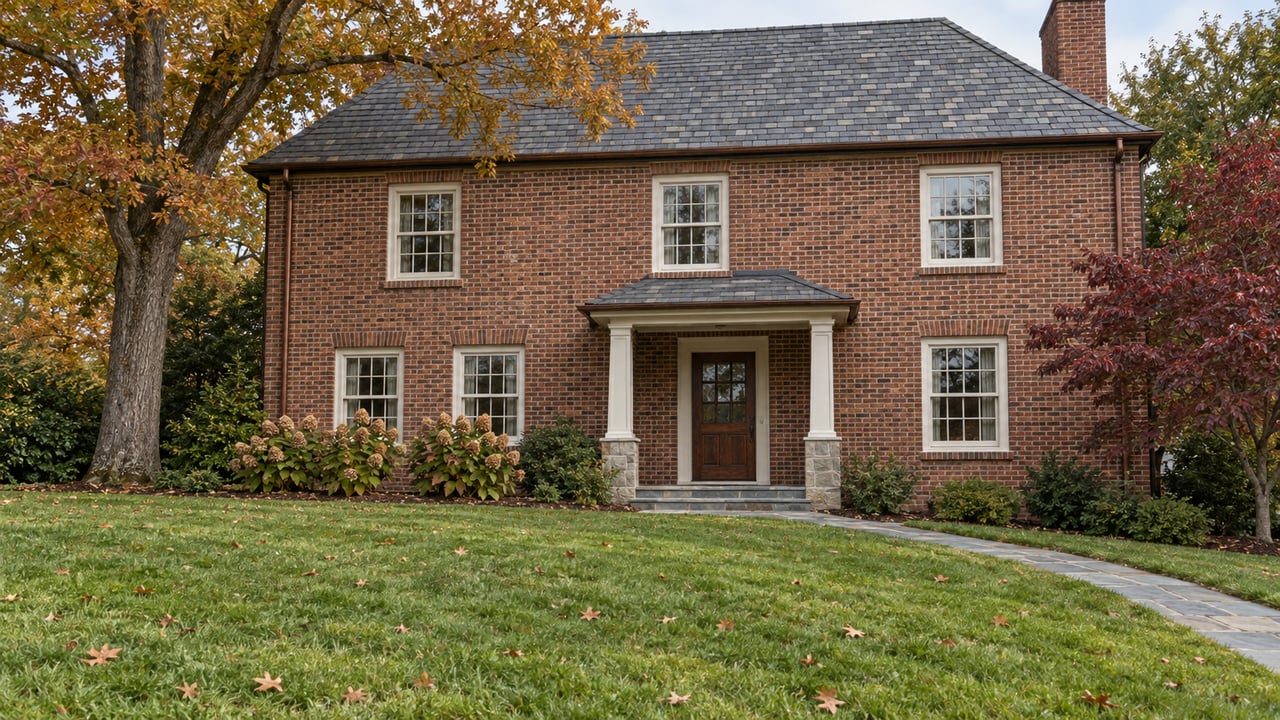
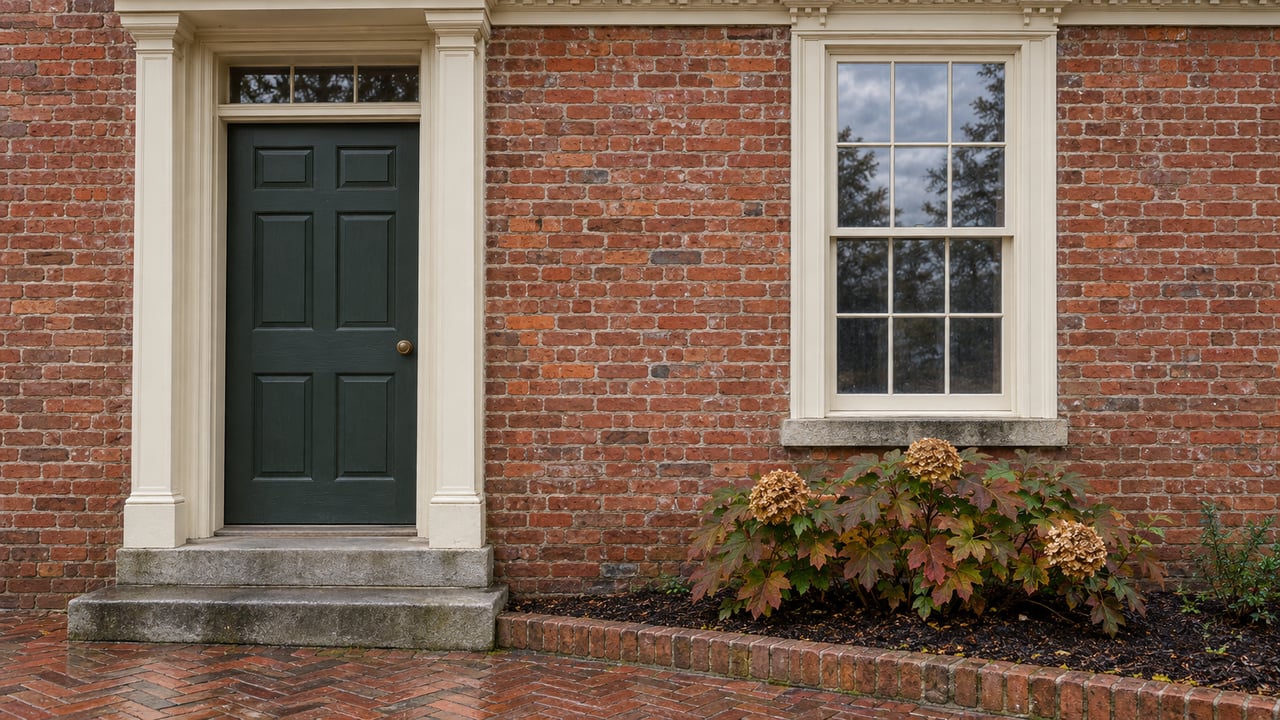
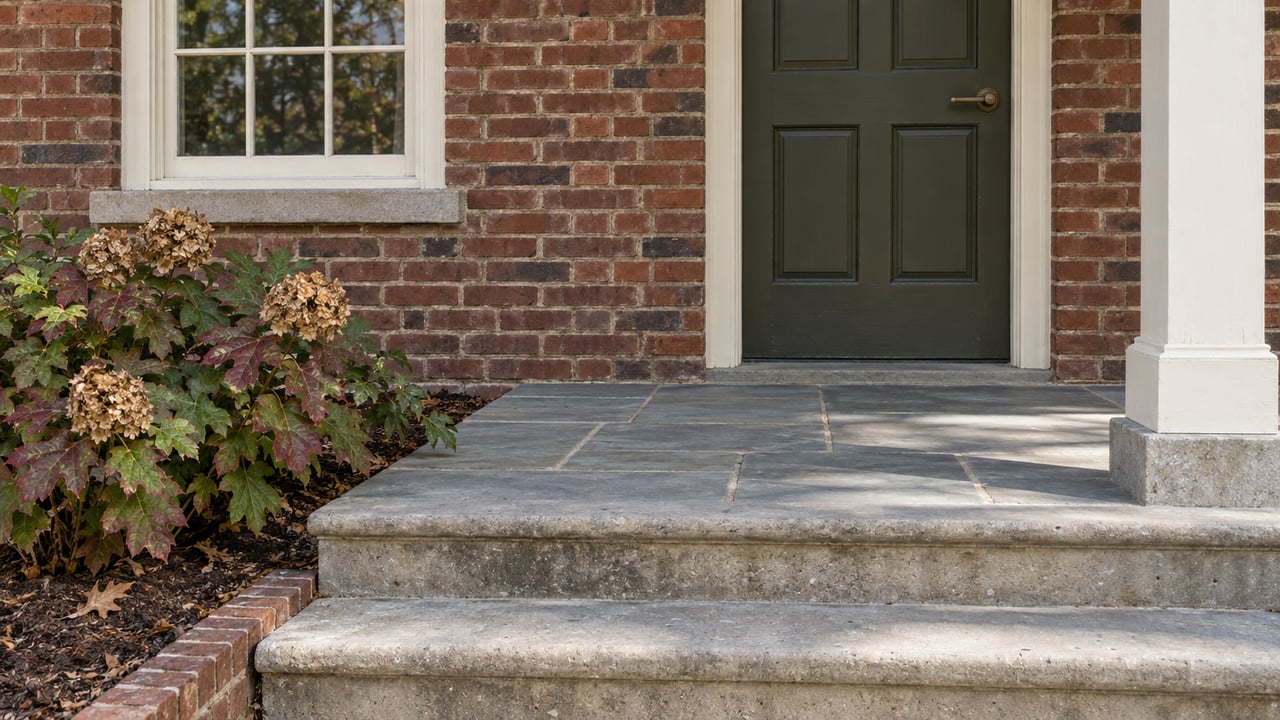
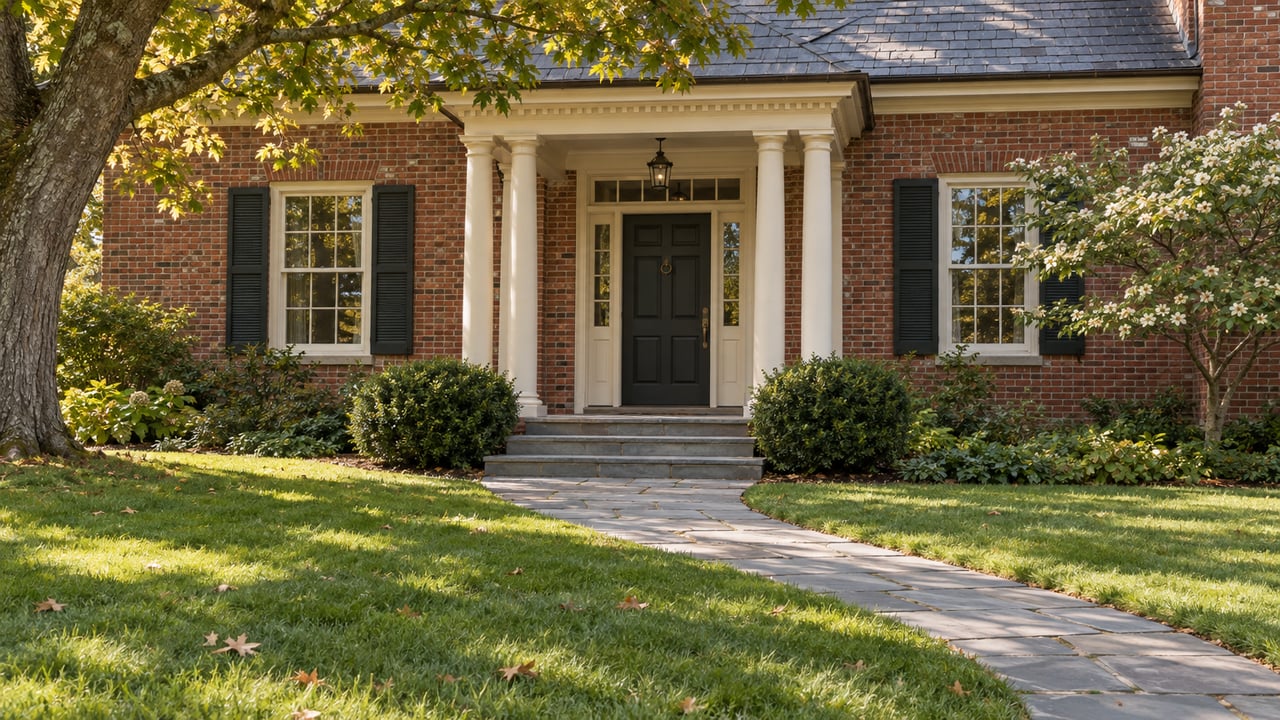
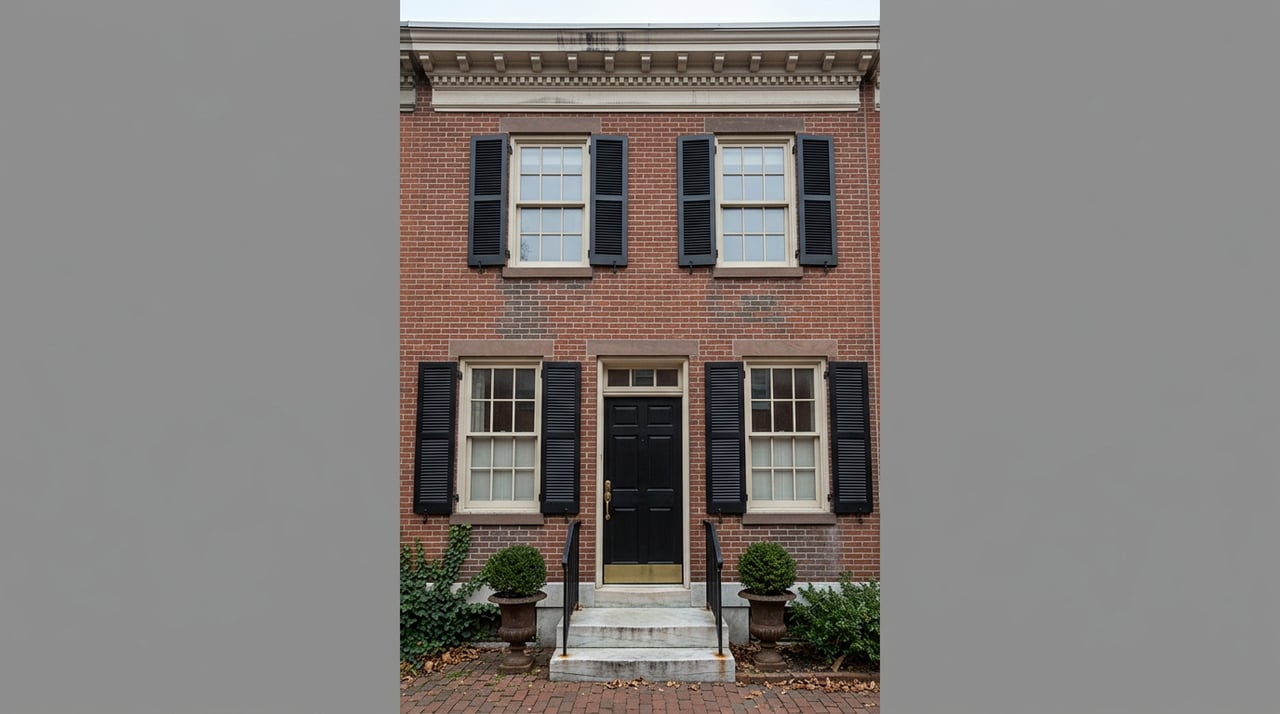
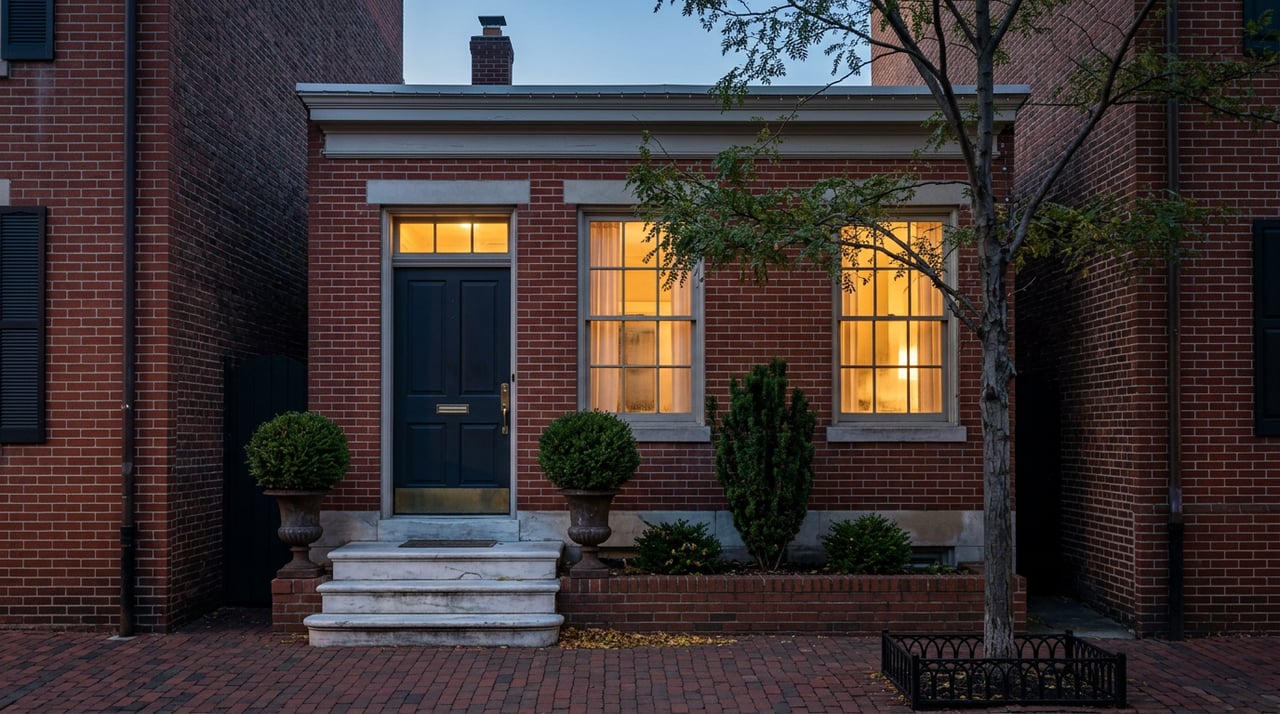
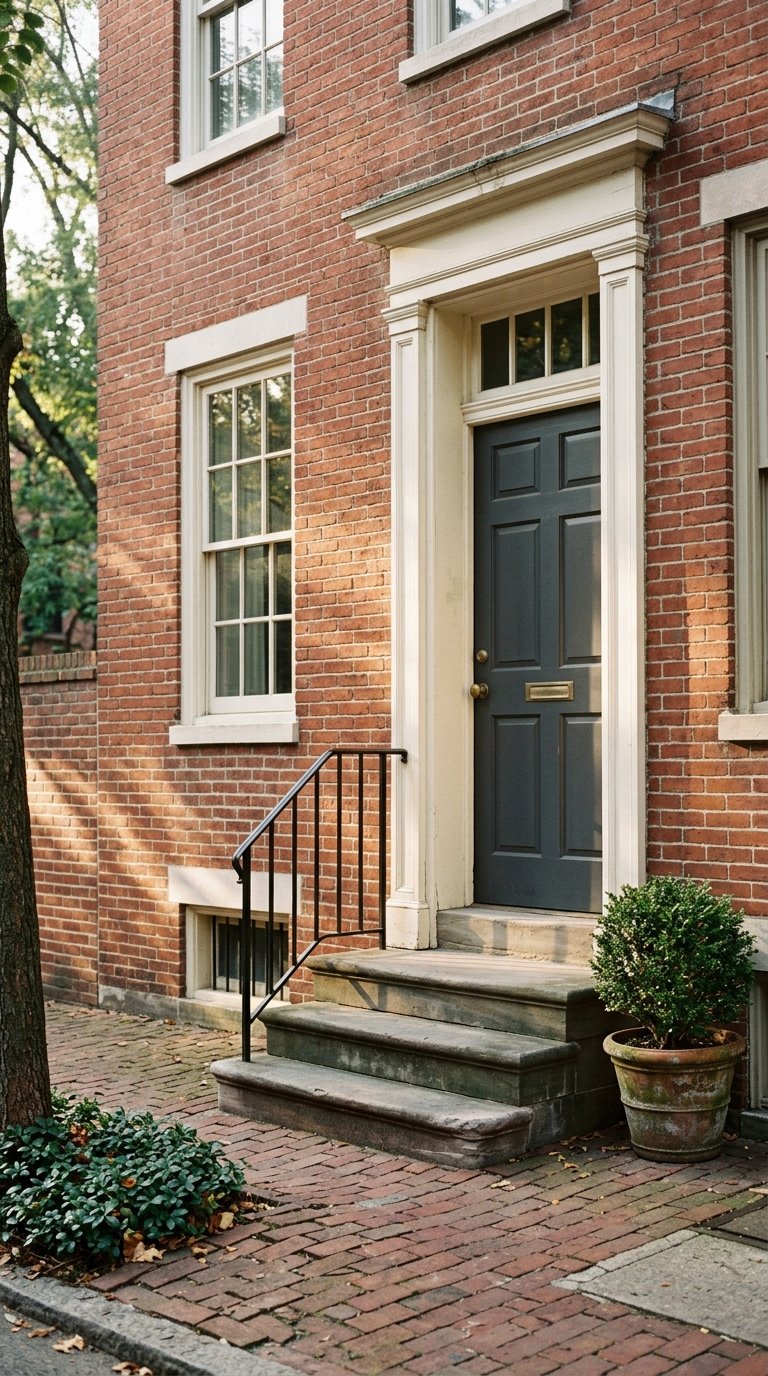
That history shows up block by block. The neighborhood includes renovated rowhousing and compatible infill, with architectural details such as brick facades, cornices, marble steps, and other traditional rowhouse features identified by the city’s preservation office. For you as a buyer, that usually translates into a setting with a cohesive visual identity rather than a mix of unrelated styles.
Because Otterbein is primarily residential, your coffee run or casual weekday errand will often happen nearby rather than on a retail strip within the neighborhood itself. Federal Hill, which borders the area, includes neighborhood coffee spots such as Ceremony Coffee at Cross Street Market on South Charles Street and Morning Mugs on West Hughes Street.
That pattern is part of the neighborhood’s appeal. You can reach cafés, restaurants, and small businesses quickly, but home still feels separate from the busiest commercial pockets. If you like the idea of walking to nearby conveniences without living directly above them, Otterbein fits that lifestyle well.
For such a close-in neighborhood, Otterbein has an unusually strong park presence. The Otterbein Community Association lists seven neighborhood park areas, including Hill Street, Hermitage Square, York Street, Concert, Homesteader, Flower Bed, and Welcome Alley. It also references additional spaces maintained by the Harbor Walk townhouse association, including Wheel Park, Hill Street Gardens, Hanover Square, and Hughes Street Garden.
That means your outdoor routine can be simple and local. Instead of planning a drive to a larger park, you may find yourself walking through small green spaces woven into the neighborhood. It gives the area a softer feel than many people expect from a downtown-adjacent location.
Otterbein’s location also makes longer walks easy. Baltimore’s code dedicates the Inner Harbor shoreline area, including Rash Field, to public park use. Live Baltimore highlights easy walking access to Rash Field, the Maryland Science Center, the Constellation, and other waterfront attractions, while Visit Maryland points to Federal Hill Park for broad city views.
In real life, that means an evening walk can be more interesting than a simple loop around the block. You can move from residential streets to pocket parks to harbor-edge paths without getting in the car. For many buyers, that kind of walkability becomes one of the most memorable parts of living here.
If you want a car-light lifestyle, Otterbein has a lot going for it. Live Baltimore lists the neighborhood with a Walk Score of 94, a Bike Score of 87, and a Transit Score of 100. The same source also notes access to Light Rail and MARC, along with connections to Charles Center and Penn Station.
Those numbers matter because they reflect something you can actually feel day to day. Getting around from Otterbein can be straightforward whether you are commuting, meeting friends, or heading to another part of the city. For buyers who prioritize convenience and mobility, this is one of the neighborhood’s strongest selling points.
Living in Otterbein also means being near two major sports venues. Live Baltimore says the neighborhood is within a short walk of both M&T Bank Stadium and Camden Yards. The stadium locations are 1101 Russell Street for M&T Bank Stadium and 333 West Camden Street for Camden Yards.
Even if sports are not central to your lifestyle, this proximity still shapes the neighborhood experience. You are close to major events, and the area around you reflects that on game days. The Ravens also note that Light Rail has a drop-off point directly outside Gate B at M&T Bank Stadium, which adds another practical layer of access.
Otterbein is not a neighborhood that tries to feel suburban. Baltimore City describes it as roughly three city blocks of renovated rowhousing and compatible infill, with homes that include early gabled forms, shallow gabled forms, and Victorian-era three-story houses. The visual story here is brick, scale, and continuity.
Live Baltimore lists the housing mix as condominiums, rowhomes, and apartment buildings. It also reports an owner-renter split of 37% owner and 63% renter. For you, that suggests a neighborhood with a real mix of housing options and household types rather than a one-note housing landscape.
Otterbein’s appeal is not only about age. It is also about consistency. The community association emphasizes architectural continuity and controlled exterior character, which helps explain why the neighborhood feels visually unified from one block to the next.
That kind of cohesion can matter more than buyers expect. When the streetscape feels intentional and well-preserved, the neighborhood often feels more established and easier to understand at a glance. In Otterbein, that visual clarity is part of what makes everyday life feel grounded.
So what is the simplest way to picture life in Otterbein? Think brick rowhomes, short walks, nearby coffee, pocket parks, waterfront access, and easy connections to Downtown and the stadium district. It is urban living, but in a smaller, calmer, more residential setting than many buyers first assume.
For the right buyer, that combination is the whole point. Otterbein offers access without overload, history without feeling frozen in time, and walkability without requiring you to live in the middle of the busiest blocks. If that balance sounds like what you want from city living, it is worth seeing Otterbein in person with The Baldwin & Griffin Group of Compass.
Stay up to date on the latest real estate trends.