Roland Park Homes Buyer Guide and Pricing Insights
July 16, 2026
July 16, 2026
If you have looked at homes in Roland Park and wondered why one property is priced in the low $200,000s while another reaches well over $1 million, you are not alone. This neighborhood has a wide pricing spread, and it can feel hard to compare homes at first glance. The good news is that once you understand the housing mix, the historic setting, and the features that shape value, the price points start to make much more sense. Let’s dive in.
Roland Park is a neighborhood in Baltimore City, not Baltimore County. It is also a historic district that was listed on the National Register in 1974 and includes 1,068 structures.
Its roots go back to 1890 and 1891, when it was planned as one of Baltimore’s first garden suburbs. That history still matters today because the neighborhood’s identity is tied to architecture, landscape, lot sizes, house placement, and workmanship.
One reason Roland Park has such a broad pricing range is that you are not looking at just one kind of home. The neighborhood includes older detached homes, mid-century and later detached houses, plus condo-style and attached options that can open the door at a lower price point.
That variety is part of what makes Roland Park appealing to different kinds of buyers. It also means you need to compare homes carefully instead of relying on a single average price.
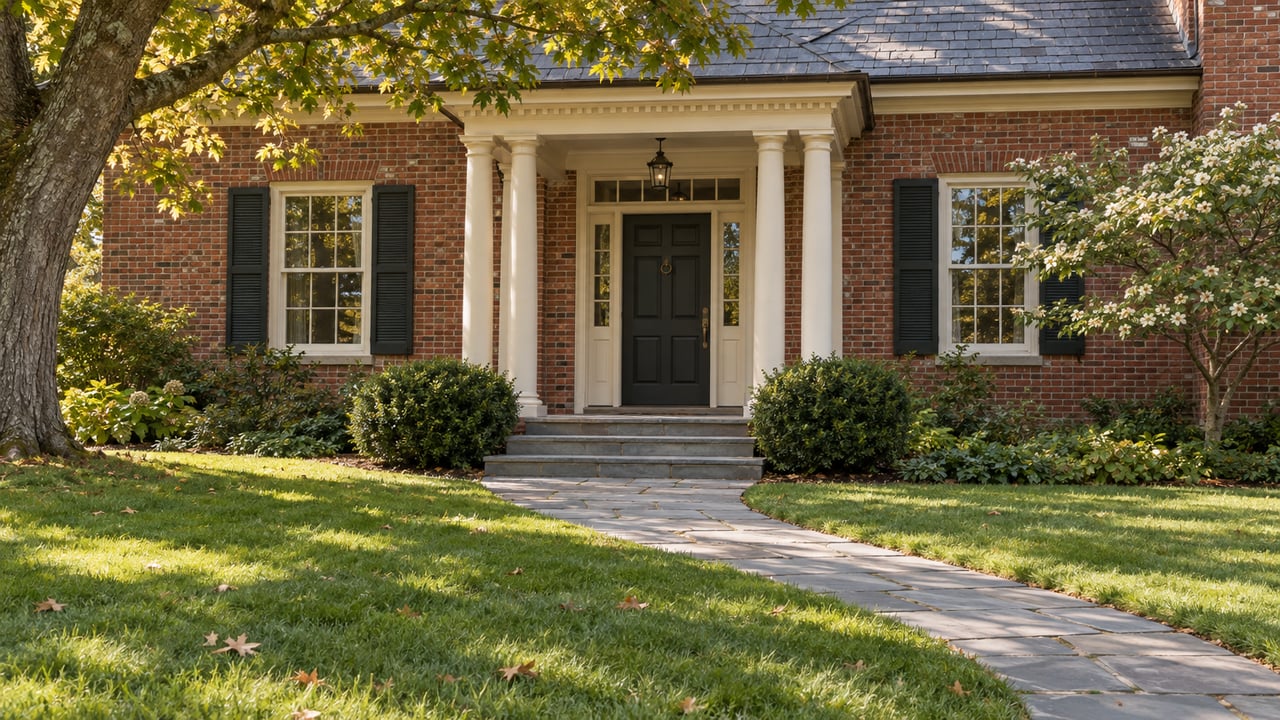
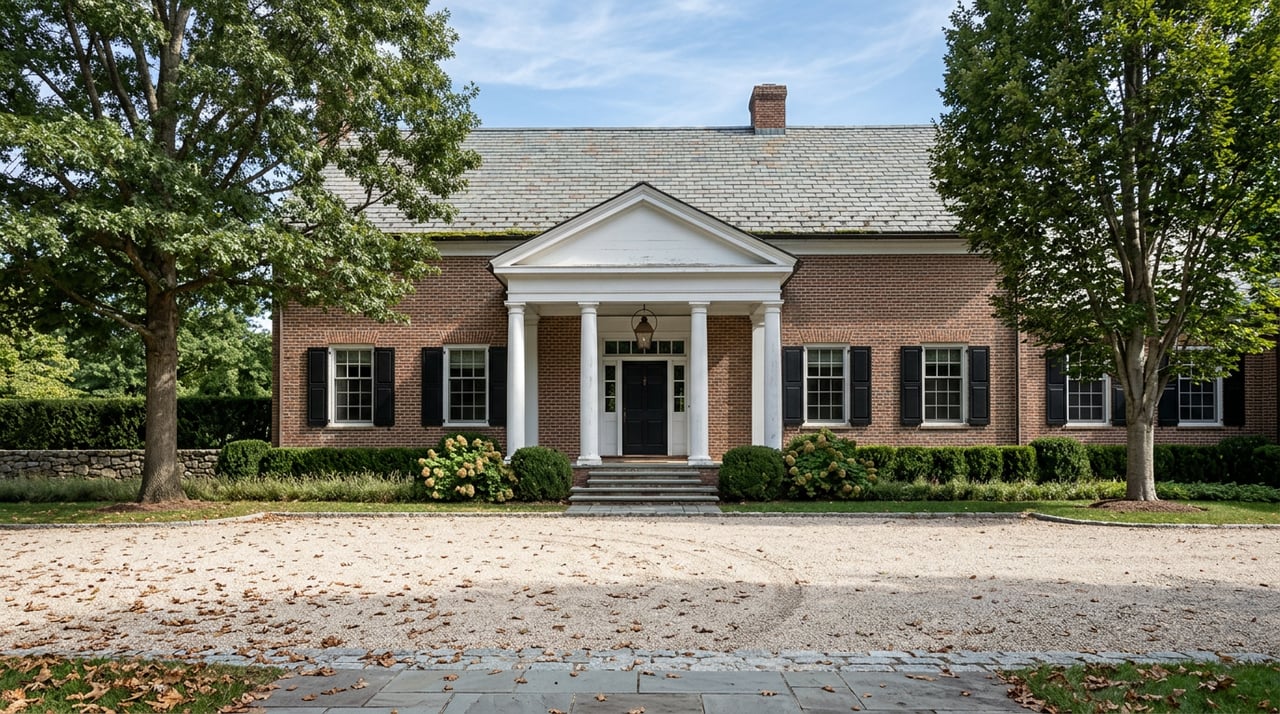
Turn-of-the-century homes are the core of Roland Park’s identity. Many of the neighborhood’s best-known homes reflect Queen Anne, English Tudor, Georgian, and Shingle-style architecture.
These homes often sit on larger lots and carry the visual character that many buyers associate with Roland Park. Current examples help show the range: 222 Longwood Road, built in 1906 on a half-acre lot, is listed around $975,000, while 501 Woodlawn Road, built in 1897, is listed around $1.699 million.
A recent sale also supports this upper range. At 4503 Roland Avenue, a detached home sold for $1.025 million in June 2026.
Not every detached home in Roland Park dates to the early 1900s. Mid-century and later homes are also part of the neighborhood mix, and they can compete strongly on value depending on condition, updates, and lot quality.
For example, 5509 Roland Avenue, built in 1948, has an estimated value of about $674,728. At 6002 Roland Avenue, a 1958 home has an estimated value of about $658,500, with an estimated sales range of $599,000 to $724,000.
Then there is 4704 Roland Avenue, built in 1970, with a value near $1.2389 million on about 0.55 acres. That is a good reminder that newer does not mean cheaper, and older does not automatically mean more expensive.
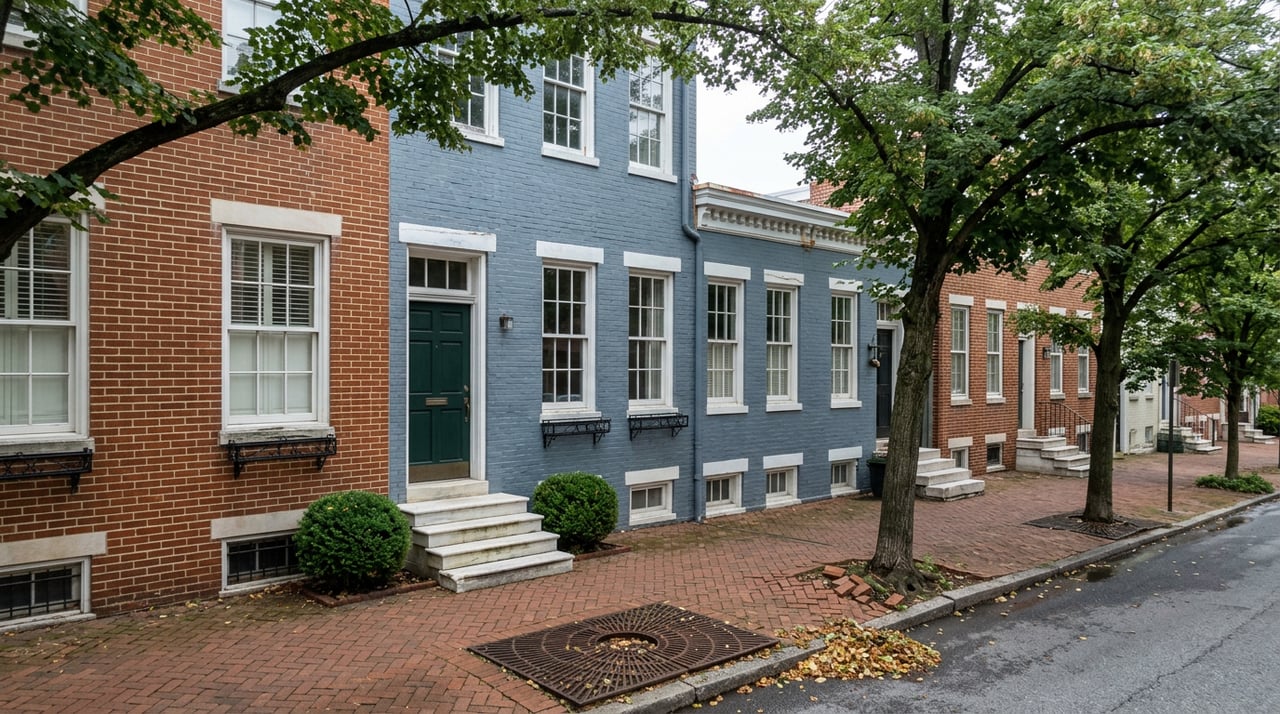
Roland Park also offers a lower entry point through condos and apartment-style units. For buyers who want the neighborhood setting without the cost of a detached single-family home, this can be an important part of the market.
Current examples include 5203 Falls Road Unit 2 at about $185,700, 607 Somerset Road #5 at $209,900, 4202 Roland Avenue #208, which sold for $260,000 in June 2026, and 501 W University Parkway Unit 2B, which sold for $315,000. These homes often provide access to Roland Park at a materially lower price than detached houses.
If you are trying to build a practical budget, the current market supports a few working price bands. These are best viewed as a snapshot, not a guarantee for any one property.
This range shows why Roland Park can attract very different buyers at very different stages. It also shows why pricing here is highly property-specific.
In many neighborhoods, buyers focus first on square footage and bedroom count. In Roland Park, those factors still matter, but they do not tell the whole story.
Several other details can shift value sharply from one property to the next.
Lot size plays an important role in Roland Park because the neighborhood was designed around natural topography, generous setbacks, and the relationship between the home and the landscape. That design approach is part of the district’s historic significance.
You can see this in current examples, from half-acre lots on Longwood and Woodlawn to detached homes on lots around 9,500 to 10,700 square feet along Roland Avenue. In many cases, a larger or better-sited lot supports a meaningful price premium.
Condition and updates are major price drivers in this neighborhood. A home that feels move-in ready, with updated systems and finished spaces, can command a very different price than a similar house that needs work.
The spread between homes like 6002 Roland Avenue and 4704 Roland Avenue helps illustrate that point. Buyers are often paying for more than age alone. They are also paying for renovation quality, functionality, and overall ease of ownership.
Roland Park developed in phases, and not every street has the same character or housing mix. The earliest streets east of Roland Avenue opened first, while the University Parkway section developed just before World War I.
Because of that history, buyer appeal can differ from one block to the next. Current sales and listings suggest that streets such as Roland Avenue, Hawthorne Road, Edgevale Road, Woodlawn Road, and Goodwood Gardens can sit in different pricing tiers depending on the specific home, site, and presentation.
Historic character is a major part of Roland Park’s appeal, but it also affects ownership. In Baltimore City, most exterior alterations in the district require an Authorization to Proceed from CHAP before the work begins.
That can include changes to exterior architectural features, exterior color, excavation, fences or walls, and demolition. If you are buying an older Roland Park home, it is smart to factor preservation review into your planning for future exterior projects.
Recent market data suggests Roland Park remains a tight and relatively expensive neighborhood. Zillow’s June 30, 2026 home value index for Roland Park was $646,695, up 6.2% year over year, with 15 homes for sale and 6 new listings.
Redfin reported a median sale price of $420,858, median days on market of 29, and a sale-to-list ratio of 101.3%. It also described Roland Park as a very competitive market.
These numbers are not direct equivalents because they measure different things. Zillow’s figure is a home value index, while Redfin’s is based on recent closed sales. Together, though, they point to a neighborhood where inventory is limited and buyers should be prepared for variation from one property to the next.
If you are shopping in Roland Park, it helps to think beyond a simple price-per-square-foot mindset. The neighborhood rewards a more detailed look at lot quality, architecture, renovation level, and how a home sits on its site.
Older homes can offer remarkable character, but they may also come with higher maintenance expectations and more planning for exterior work. Condos and attached units can create a more accessible path into the neighborhood, though they usually offer less private outdoor space and less lot-driven upside.
The biggest takeaway is that Roland Park is a high-variance market. Two homes with similar size may land in very different price brackets based on condition, block, lot, and historic appeal.
Because pricing can shift so much from one home to the next, Roland Park is a neighborhood where local context really matters. A broad market average will only tell you so much.
If you are buying, you want to compare the specific home in front of you against recent sales with similar condition, setting, and architecture. If you are selling, the same details shape how your home should be positioned in the market.
That is where deep neighborhood knowledge can make a real difference. The right guidance helps you see past the headline price and understand what is actually driving value.
If you are thinking about buying or selling in Roland Park, The Baldwin & Griffin Group of Compass can help you evaluate price, positioning, and opportunity with clear local insight.
Stay up to date on the latest real estate trends.