What Homeland Baltimore Neighborhood Life Feels Like
July 9, 2026
July 9, 2026
If you are drawn to neighborhoods with real character, Homeland stands out fast. Its lakes, curving roads, and mature landscape give you a setting that feels calm and tucked away while still being within Baltimore City. If you are considering a move here, or thinking about selling a home in the neighborhood, understanding how life around the lakes shapes daily living can help you make a smarter decision. Let’s dive in.
Homeland is a planned neighborhood in northern Baltimore City with nearly 1,000 homes. It is often described as having a suburban feel within city limits, with mainly detached homes and a historic, residential setting.
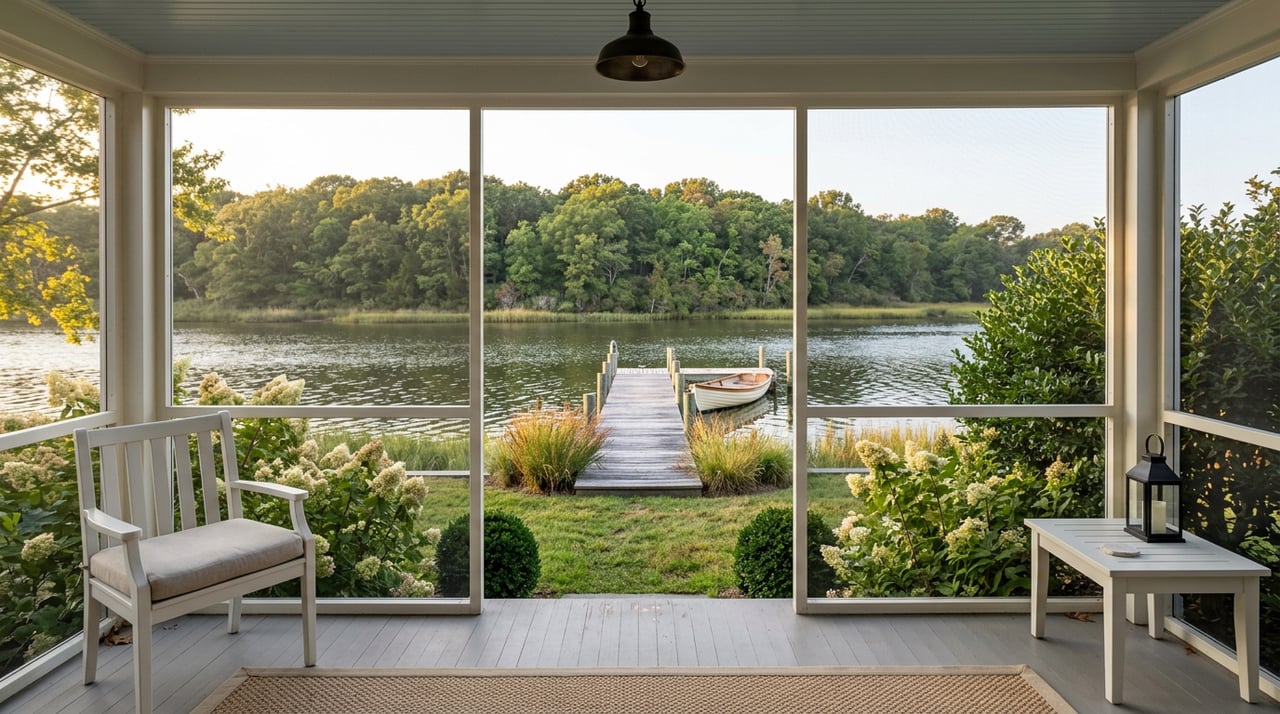
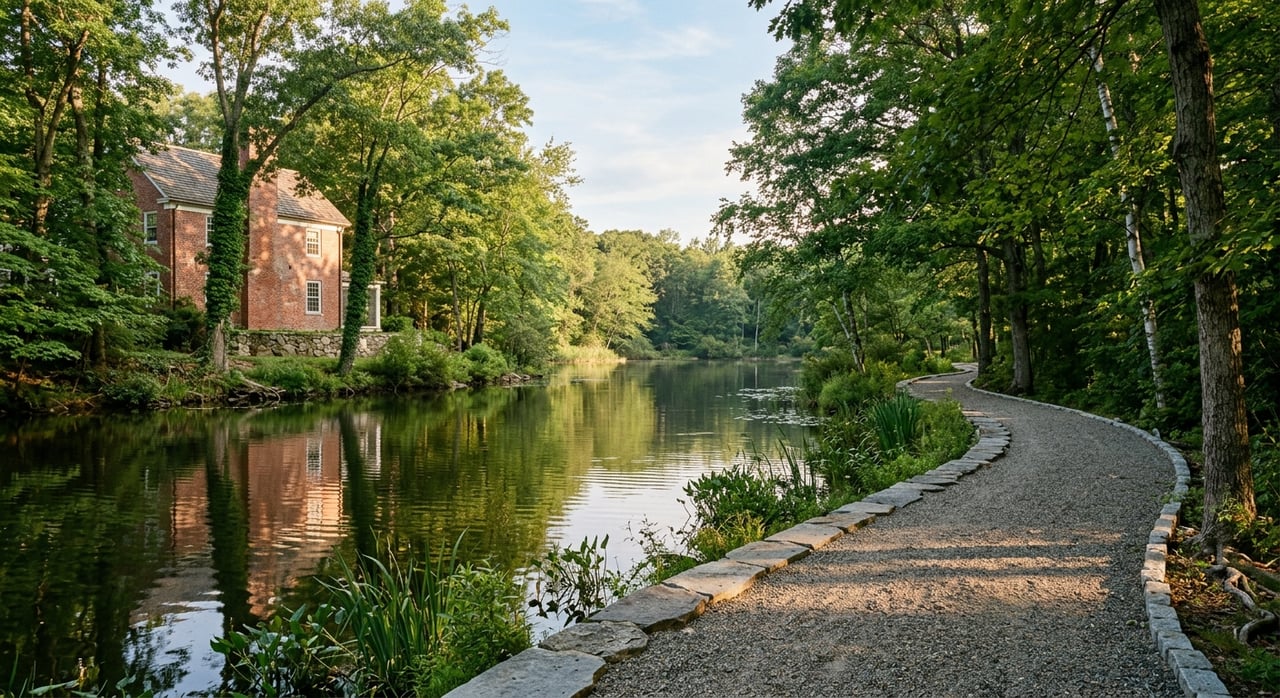
The lakes are the neighborhood’s signature feature. Homeland has six ornamental lakes, and they are much more than scenery. They help shape the neighborhood’s layout, its pace, and the way residents use shared outdoor space every day.
According to the Homeland Association, the lakes were dug in 1843. They were first fed by a conduit from the Homeland stream, then later connected to municipal water in 1950 after the springs dried up. Since then, the association has maintained them, with occasional support from city and state sources.
The National Park Service notes that the Olmsted Brothers retained and enhanced the stream-fed ponds when the community was planned in 1924. That decision helped turn the lakes into one of Homeland’s most recognizable and lasting design features.
In many neighborhoods, outdoor features are mostly visual. In Homeland, the lakes are part of how people move through the neighborhood and how they spend time in it. The Homeland Association describes them as a natural gathering place for walkers and joggers of all ages in every season.
That simple detail tells you a lot about the lifestyle here. The lakes support an everyday rhythm built around walking, fresh air, and casual interaction. You are not just passing through the neighborhood. You are more likely to experience it at a slower pace.
The area around the middle lake also includes the bronze Wildflower sculpture on Springlake Way. Over time, it has become a symbol of the community and adds to the sense that the lakes are central to Homeland’s identity.
It is also worth knowing that the lakes are actively cared for and treated as shared civic space. Fishing and feeding wildlife are prohibited, which reflects a broader focus on preservation and stewardship.
Homeland’s walkability is not accidental. The neighborhood was planned to preserve the existing landscape, and that design still shapes how it feels today.
The National Park Service says the 1924 plan kept curving roads along the water, used broad boulevards as gateways, and placed smaller streets in ways that buffered homes from city noise and traffic. The result is a street pattern that feels more organic than rigid.
The Homeland Association adds that roads and paths follow the natural contours of the land. Many of today’s streets and paths were once cart or animal paths, which helps explain the neighborhood’s softer, more natural flow.
For you as a buyer, that can translate into a very different day-to-day experience than you might find in a conventional grid neighborhood. A walk here often feels scenic and varied rather than repetitive.
One of Homeland’s most interesting features is its network of rear lanes and pedestrian paths. Nearly every home has lane access in the back, and utility lines run through those lanes to help preserve the front-facing streetscape.
That planning choice matters more than it may seem at first glance. It helps keep front views more open and visually cohesive, which supports the neighborhood’s park-like feel.
The pedestrian paths also connect different parts of Homeland. Together with sidewalks and rear lanes, they create a more connected sequence of travel through the neighborhood.
This kind of layout supports both privacy and connection. You can enjoy a quiet residential setting while still having plenty of opportunities for informal interaction during a walk or while spending time outside.
Homeland is often described as quiet and secluded, almost like a retreat from city life. At the same time, it remains within walking distance of dining and entertainment along York Road, according to Live Baltimore’s neighborhood ambassador.
That balance is a big part of the neighborhood’s appeal. You get a residential environment shaped by water, trees, and historic design, but you are not cut off from city conveniences.
The same ambassador also notes that it is common to see neighbors socializing during walks and sitting on porches in the evening. For many buyers, that paints a clear picture of what daily life can feel like here: peaceful, but not isolated.
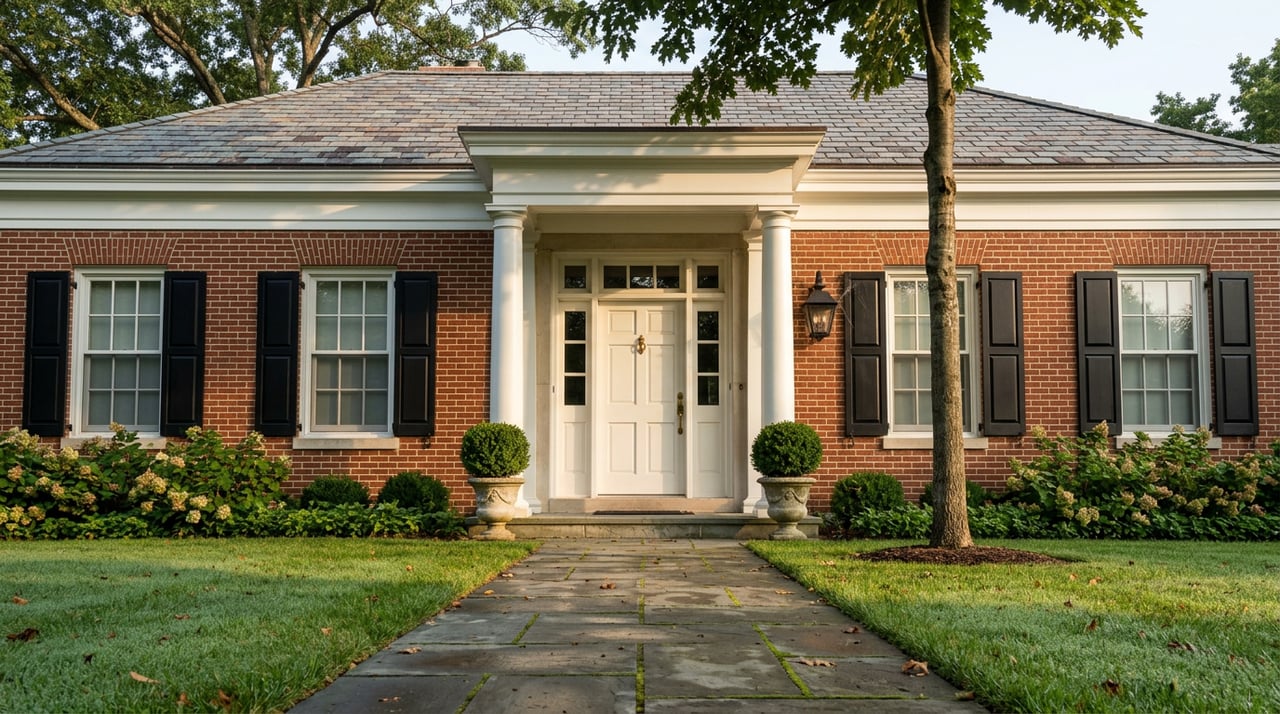
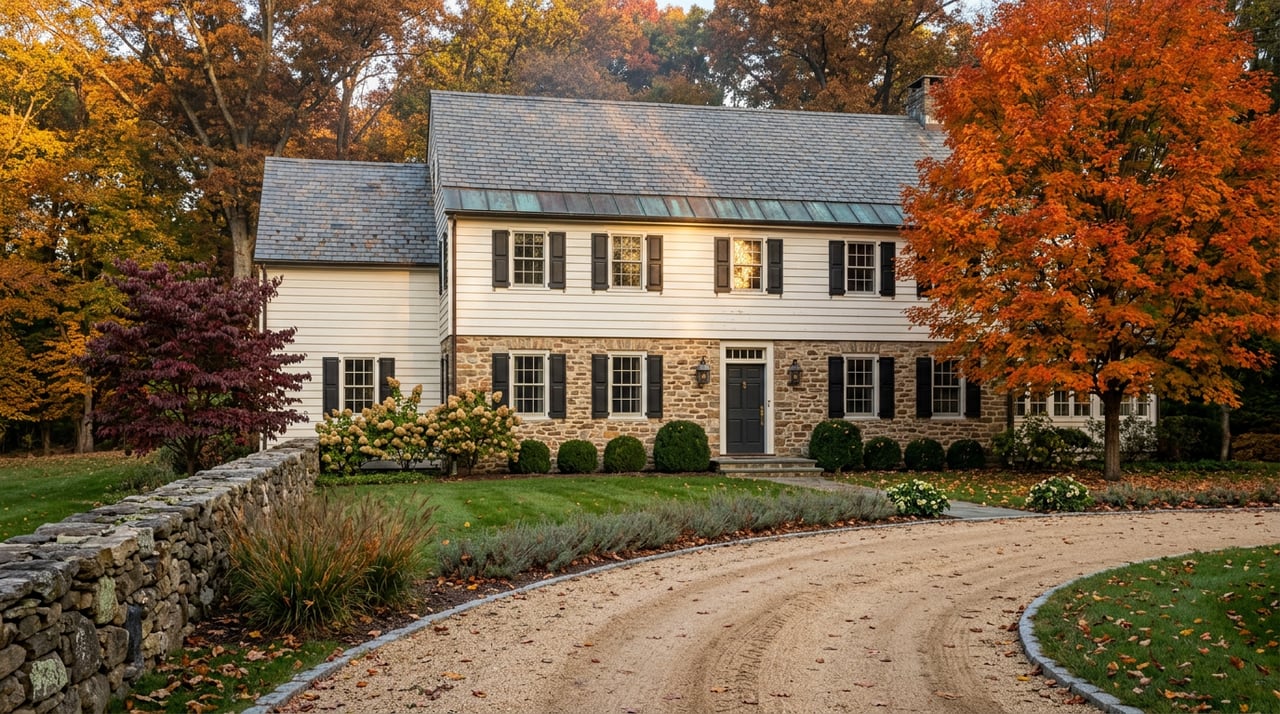
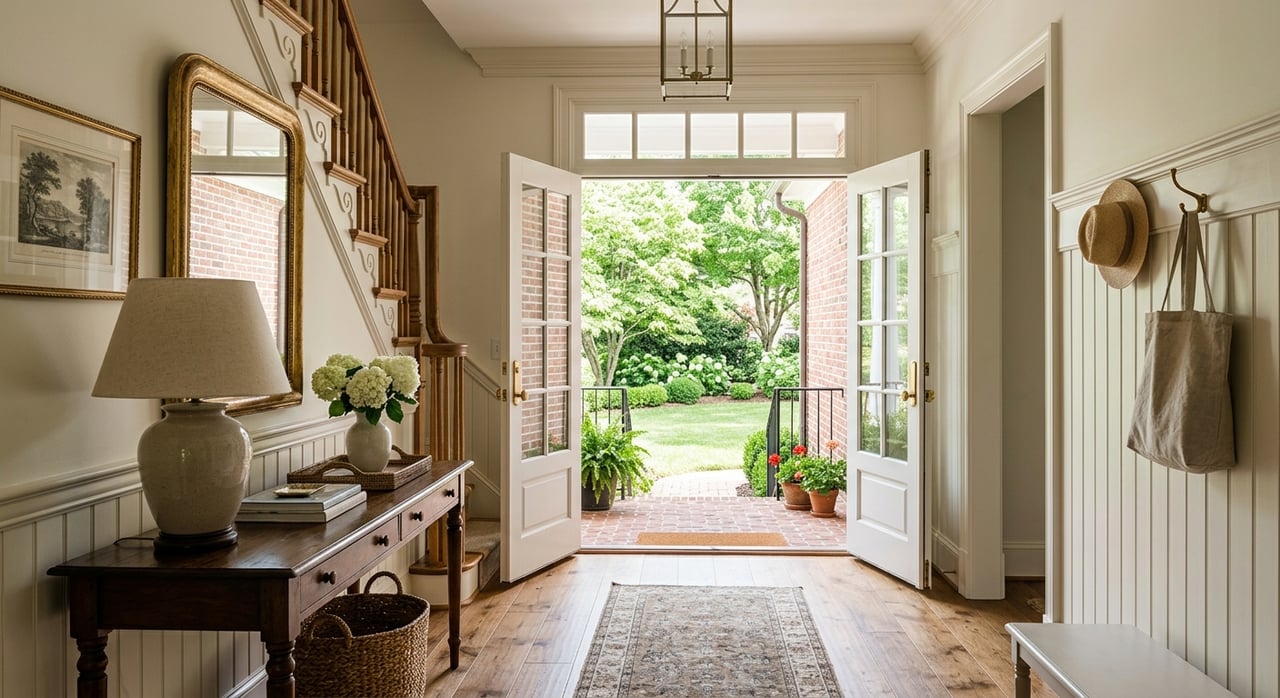
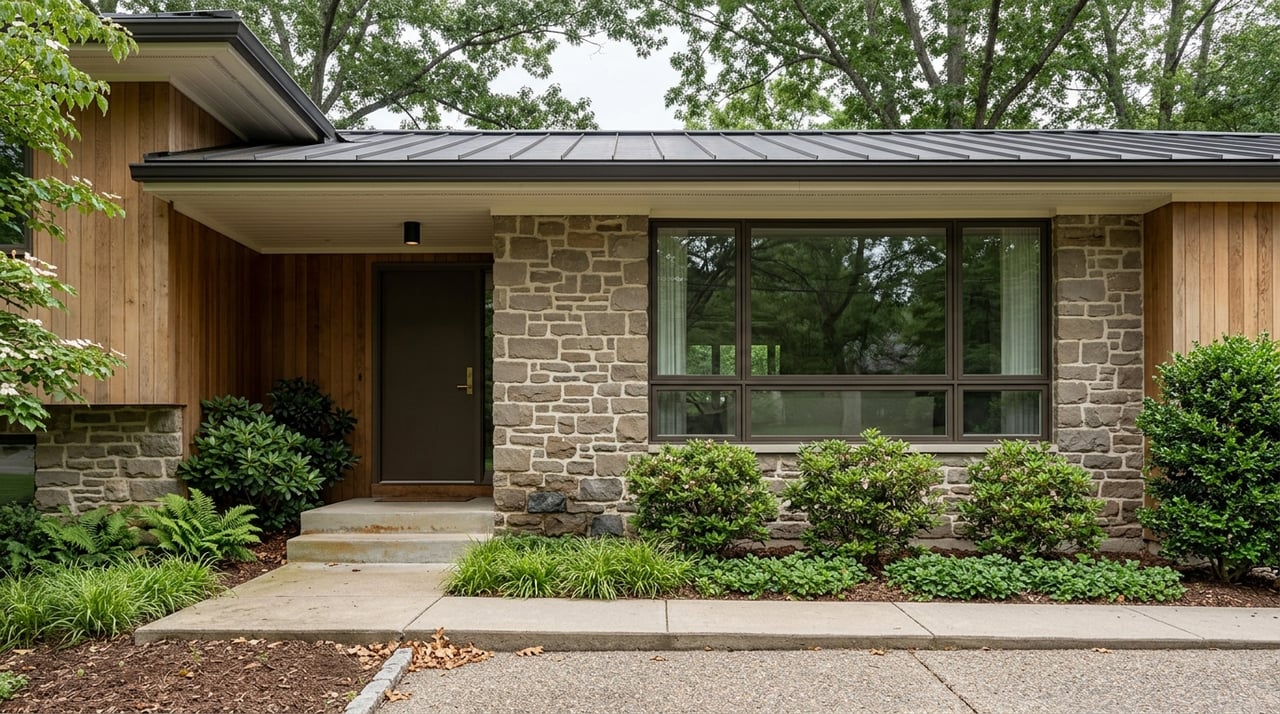
The homes around Homeland’s lakes are not one-note. The neighborhood includes housing from about 1924 through the mid-1940s, and the architectural styles are varied rather than uniform.
The Homeland Association notes Georgian motifs alongside Tudor, Norman, French country, Early American, and Colonial designs. It also emphasizes that the neighborhood includes homes ranging from grand to modest.
That variety can be a real advantage if you are house hunting. It means you may find different scales, styles, and settings within the same larger neighborhood identity.
For sellers, it also means presentation matters. In a neighborhood where architecture and landscape are such a big part of value, thoughtful positioning and strong marketing can help buyers appreciate what makes a specific property stand out.
The lakes are not simply left to age on their own. Homeland has an active stewardship framework that supports the look and function of its shared spaces.
The Homeland Community Foundation, created in 1997, supports beautification of Homeland’s public park spaces based on the Olmsted Brothers’ original plant palette and landscape designs. That tells you something important about the neighborhood: shared outdoor areas are treated as part of the community’s long-term identity.
For buyers, that can add confidence that the setting you love today is being intentionally maintained. For sellers, it helps explain why Homeland often leaves such a strong impression on prospective buyers who value established landscaping and cohesive neighborhood design.
If you are thinking about buying in Homeland, lifestyle appeal should be balanced with practical homework. Homeland is a covenant community with a strong preservation framework.
The Homeland Association says exterior changes require written approval, including like-for-like replacements. Its Architectural Committee reviews work such as paint, windows, roofs, gutters, additions, shutters, patios, fences, and landscaping.
That does not mean ownership is impossible to navigate. It does mean you should understand the process early, especially if you are considering updates after closing.
It is also important to know that association approval does not replace required city permits. A well-guided purchase process can help you ask the right questions before you commit.
If you are preparing to sell in Homeland, buyers are often responding to more than square footage or finishes. They are buying into a setting shaped by the lakes, historic planning, and a strong sense of place.
That means your marketing should highlight not only the home itself, but also how it lives within the neighborhood. Rear lanes, pedestrian paths, lake proximity, and the relationship between the house and the landscape may all be part of the story.
It is also helpful to be ready for buyer questions about architectural approvals, preservation expectations, and the historic character of the area. Clear, organized information can help create trust and reduce friction during the sale process.
The Greater Homeland Historic District was listed on the National Register in 2001, and the Maryland Historical Trust says homeowner tax credits are available for rehabilitating historic buildings. Homeland’s own materials also note that most homes qualify as contributing structures.
The lakes may be the visual anchor, but community life in Homeland extends beyond the water. The Homeland Association says its board meets monthly, with an annual meeting usually held in October at the Church of the Redeemer.
Board minutes from July 2021 also referenced recurring neighborhood activities including movie nights, a September picnic, National Night Out, an Easter egg hunt, and lane-cleanup reminders. Those details show a neighborhood with an established rhythm of involvement and shared upkeep.
For you as a buyer, that may signal a place where common spaces and traditions are part of everyday living. For you as a seller, it reinforces the value of presenting Homeland as a neighborhood with both physical beauty and ongoing community engagement.
If you are considering a move to Homeland or preparing to sell there, local context matters. Working with a team that understands how neighborhood design, historic character, and buyer expectations come together can make the process smoother and more strategic. To start the conversation, reach out to The Baldwin & Griffin Group of Compass.
Stay up to date on the latest real estate trends.