Which Canton Baltimore Rowhome Style Fits You?
June 11, 2026
June 11, 2026
If you are shopping in Canton, one rowhome can feel completely different from the next, even when the homes sit on the same block. That can make your search exciting, but it can also make it harder to know which layout truly fits how you live day to day. This guide breaks down the main Canton rowhome styles, what their layouts usually mean for light, storage, outdoor space, and parking, and how to narrow your options with more confidence. Let’s dive in.
Canton is a waterfront Baltimore neighborhood with a long rowhouse history and a dense urban street grid. The Maryland Historical Trust describes 91 square blocks of housing built near the harbor and industrial area, with north-south and east-west streets, narrow alleys and courts, and a mix of building sizes, shapes, and styles.
That mix is a big reason Canton attracts so many buyers. Along with traditional Baltimore rowhouses, the neighborhood also includes newer townhomes, waterfront condos, and apartment buildings. If you are focused on rowhomes, the key is understanding that the exterior look often gives you clues about the interior layout.
As of April 2026, Realtor.com reported a median listing price of $399,900 in Canton, a median sold price of $342,358, 124 homes for sale, and a median of 26 days on market. Live Baltimore listed a median home purchase price of $375,000 and a Walk Score of 97. Because those sources use different methods and timing, it is best to treat the figures as directional, not interchangeable.
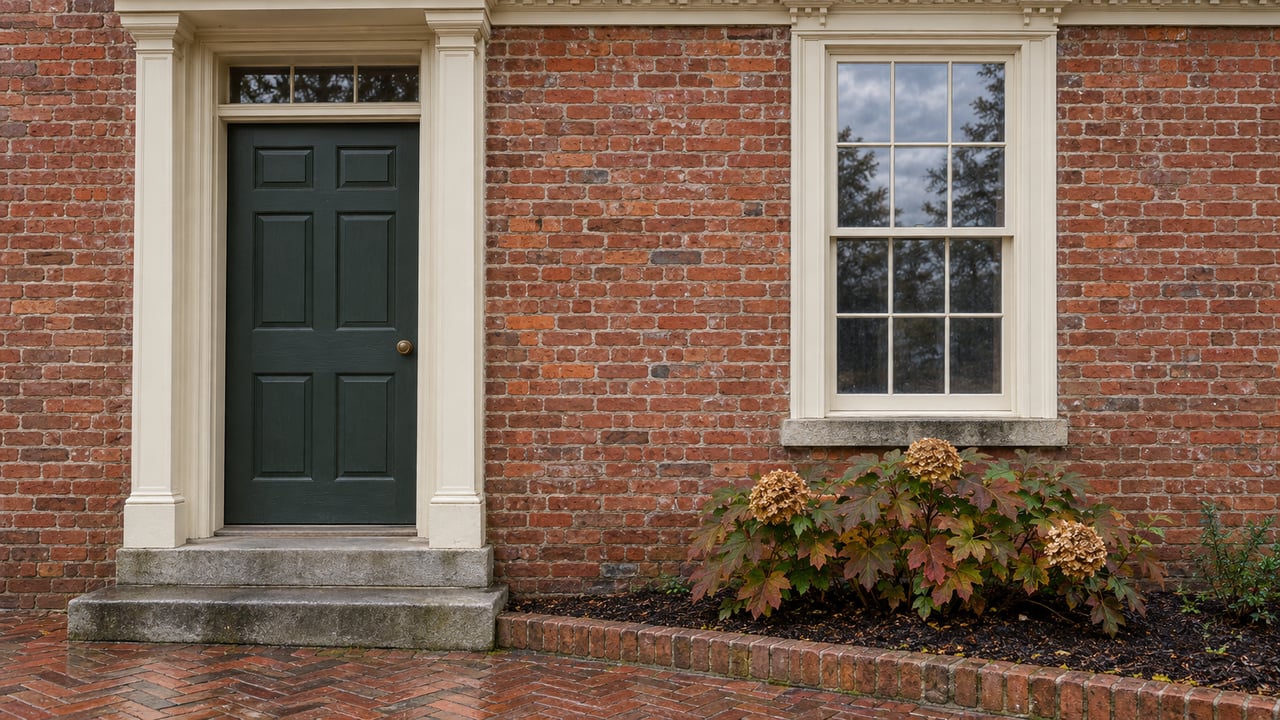
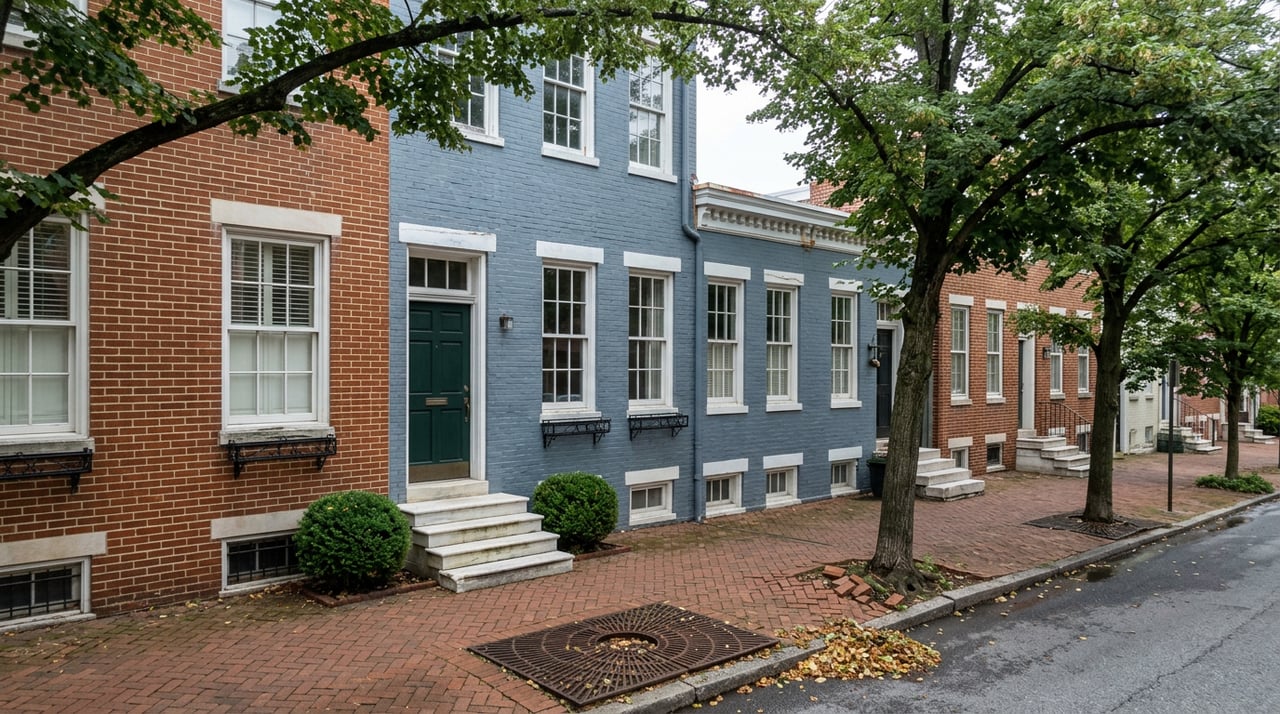
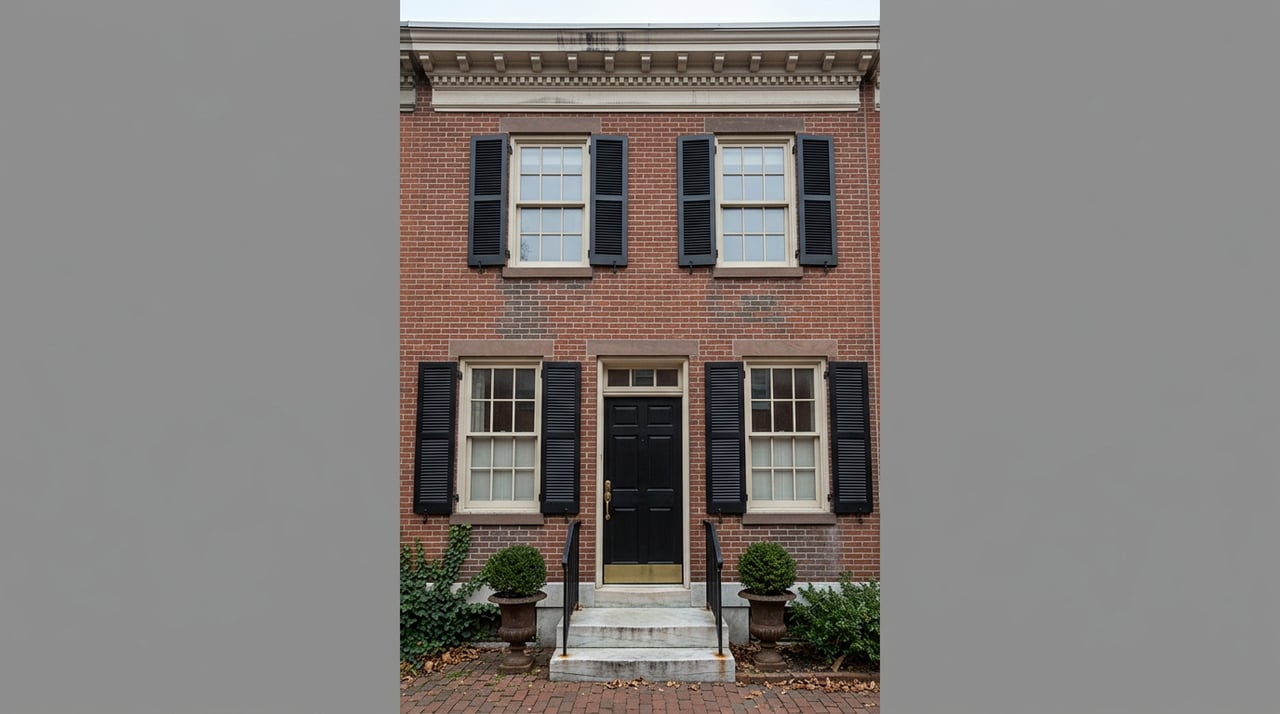
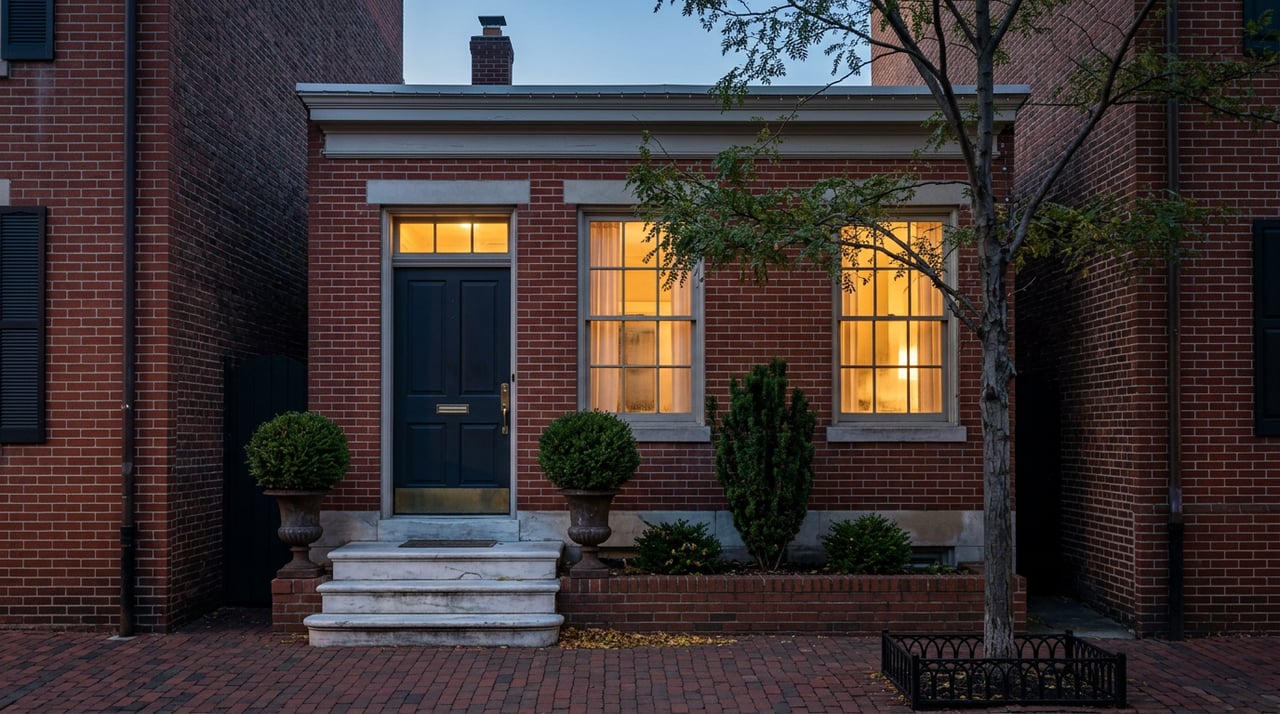
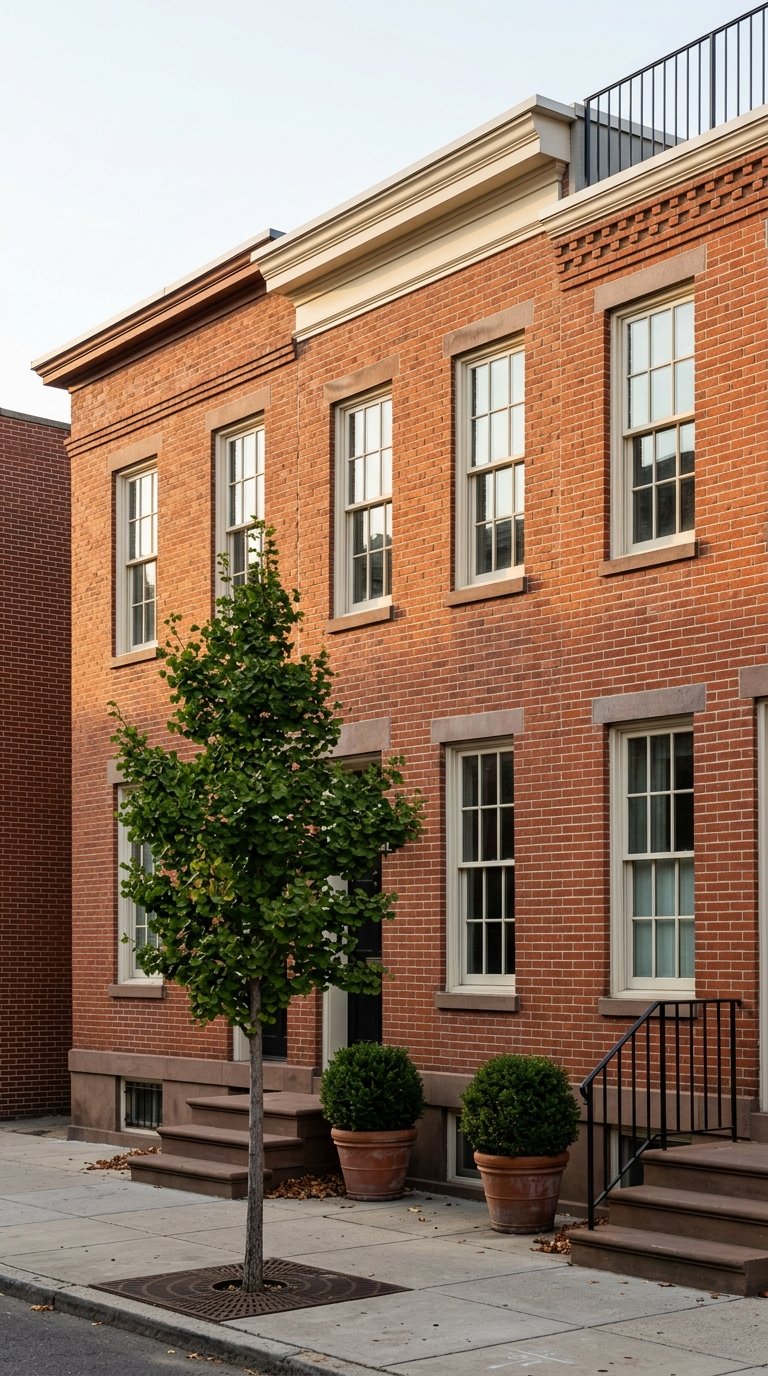
Traditional Canton rowhomes follow Baltimore’s classic attached-house pattern. Many are two or three stories tall, with brick facades, narrow fronts, and details like transoms, painted brick, marble or brick steps, and alley access. Older examples often have deep, narrow floor plans that were shaped by the lot size and building style of their time.
In practical terms, these homes often have strong curb appeal and a classic city feel, but a tighter interior footprint. Because they are narrow and attached on both sides, they usually have fewer side windows and less wall space than wider homes.
Baltimore preservation guidance also notes that older rowhouse floor plans often created dark center rooms. That does not mean every traditional Canton rowhome feels dim, but it does mean natural light can vary a lot depending on renovations, rear additions, window placement, and how the basement and upper floors were finished.
A traditional narrow rowhome can work well if you want classic Baltimore character, efficient living space, and a highly walkable location. In Canton, that combination is a major draw, especially if you value being close to neighborhood amenities and the waterfront.
These homes can be a smart fit when you prefer charm and location over extra width. If storage, sunlight, or flexible room placement matter a lot to you, it is worth looking closely at how each individual home has been updated.
Some Canton homes stand out because they sit on corner lots or include features like side porches, side bay windows, or side parapets. Those details are more than cosmetic. They can change the entire feel of the interior.
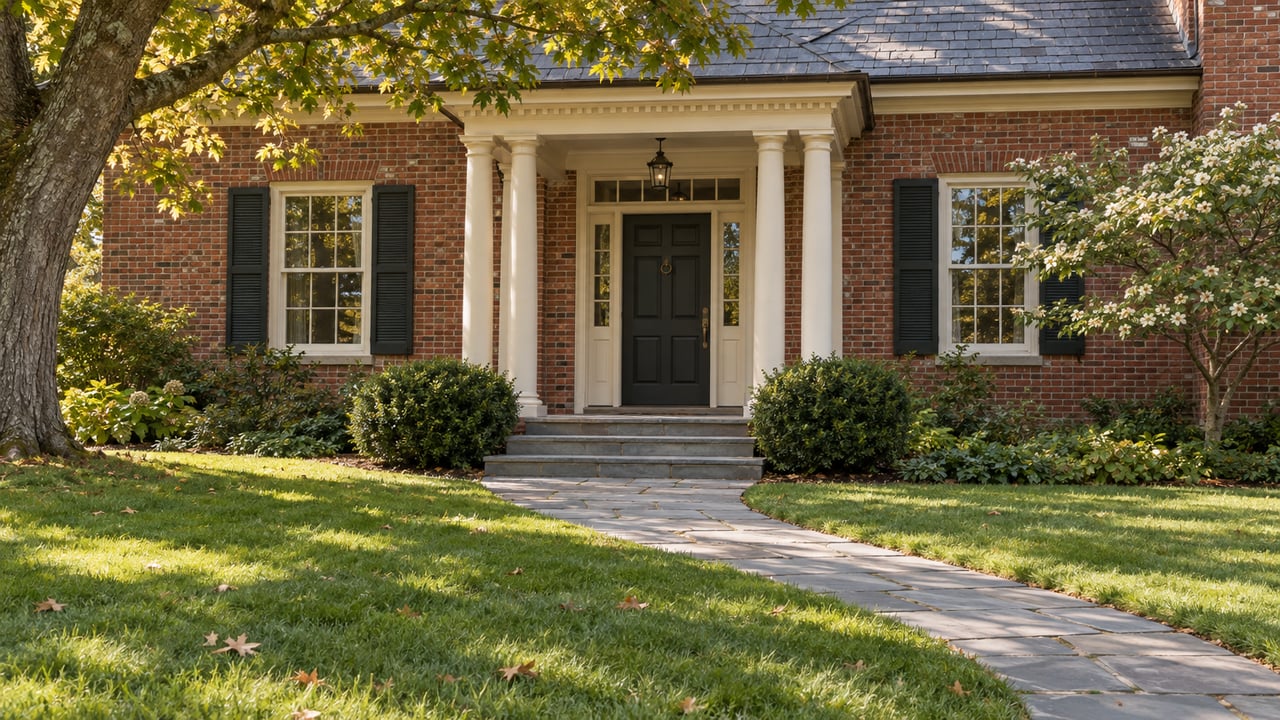
Across Baltimore, preservation guidelines describe the early-20th-century daylight rowhouse as a wider form, often two rooms wide and two rooms deep, with brighter interiors and features such as porches, small yards, and garages. In Canton, homes with extra side openings or wider proportions often feel less compressed and easier to furnish.
The biggest difference is usually light. Extra side windows can improve cross-lighting and make the home feel more open throughout the day.
That wider layout can also make furniture placement easier and create more flexibility for uses like a home office, reading area, or guest space. If you have toured several narrow rowhomes in a row, stepping into a corner or daylight-style home often feels like an immediate reset.
If this style appeals to you, pay attention to how the side exposure is being used. A corner location does not automatically guarantee a bright interior, but side windows, bay projections, and a wider footprint often make a noticeable difference.
In current Canton listings, light, outdoor access, and parking are frequently highlighted selling points. That reinforces how valuable these layout advantages can be in a dense rowhouse neighborhood.
Canton is not only a historic rowhouse neighborhood. It also has a modern infill story.
Live Baltimore notes that Canton includes large new-construction townhomes, and the Canton Community Association history says the Anchorage townhouses, completed in 1984, were the first new waterfront houses built in Baltimore in more than 100 years. Later townhouse construction, including Canton Square, added to that modern layer.
Compared with older rowhomes, newer townhomes usually prioritize open main levels, cleaner circulation, larger bedrooms or closets, and more bathrooms. They often feel designed around how many buyers live today, with easier flow between kitchen, dining, and living areas.
Recent Canton listings reflect that pattern by marketing features like open-concept main floors, rooftop decks, finished basements, rear parking pads, and multiple full baths. If you want a more contemporary setup, newer construction may offer fewer layout compromises.
A newer townhome can give you more modern function, but the experience may be different from owning a classic Baltimore rowhouse. Some buyers are drawn to historic brick facades and traditional room separation, while others care more about convenience, storage, and easy entertaining.
Neither choice is better across the board. It depends on whether you prioritize character, width, outdoor space, updated systems, or a layout that feels more turnkey from day one.
In Canton, parking is not a small detail. It shapes your daily routine.
Baltimore City code regulates off-street parking access and requires approved paving materials and code-compliant layouts for parking pads, driveways, and private roads. In many situations, off-street parking access must come from side streets or alleys.
That means a rear parking pad is a meaningful feature, not a given. In a dense rowhouse area where street parking is part of everyday life, having private off-street parking can change how convenient the home feels.
If parking matters to you, confirm not just that a pad exists, but how it is accessed and whether the setup feels practical for your vehicle and routine. In Canton, this is one of those features that can have outsized lifestyle value.
Outdoor space looks different in a rowhouse neighborhood than it does in a suburban setting. In many Canton homes, a roof deck fills that gap.
Baltimore City code requires rooftop decks to meet setback, height, and visibility rules. CHAP guidance also says roof decks should use compatible materials, stay visually simple, and usually be accessed from the rear when possible.
For buyers, the appeal is straightforward. A roof deck creates outdoor living space without expanding the footprint of the house.
That can be especially useful when the lot is too narrow for a generous yard or porch. In practical terms, a roof deck may function as your outdoor dining space, entertaining area, or quiet place to unwind, all while keeping the main interior compact.
There is no single best rowhome layout in Canton. The right fit comes down to how you want to live.
Here is a simple way to think about it:
As you tour homes, try to focus less on labels and more on function. Ask yourself how the home handles light, storage, stairs, parking, and outdoor space, because those are the details that tend to shape everyday satisfaction.
If you want help comparing Canton rowhomes block by block and feature by feature, The Baldwin & Griffin Group of Compass can help you sort through the options and find the layout that fits your goals.
Stay up to date on the latest real estate trends.