Short-Term And Medium-Term Rentals In Fells Point & Harbor East
May 21, 2026
May 21, 2026
If you are thinking about buying a property in Fells Point or Harbor East for rental income, one detail can change your whole plan: in Baltimore City, the line between short-term and medium-term rental use is not where many people think it is. That matters whether you are picturing weekend guests, a furnished corporate stay, or a 3-month relocation lease. In this guide, you will see how the rules actually work in these two waterfront neighborhoods, what demand patterns may support each strategy, and where buyers need to be especially careful. Let’s dive in.
Fells Point and Harbor East both sit in prime waterfront locations, but they attract different types of stays. That difference matters when you are evaluating a purchase or deciding how a property might perform.
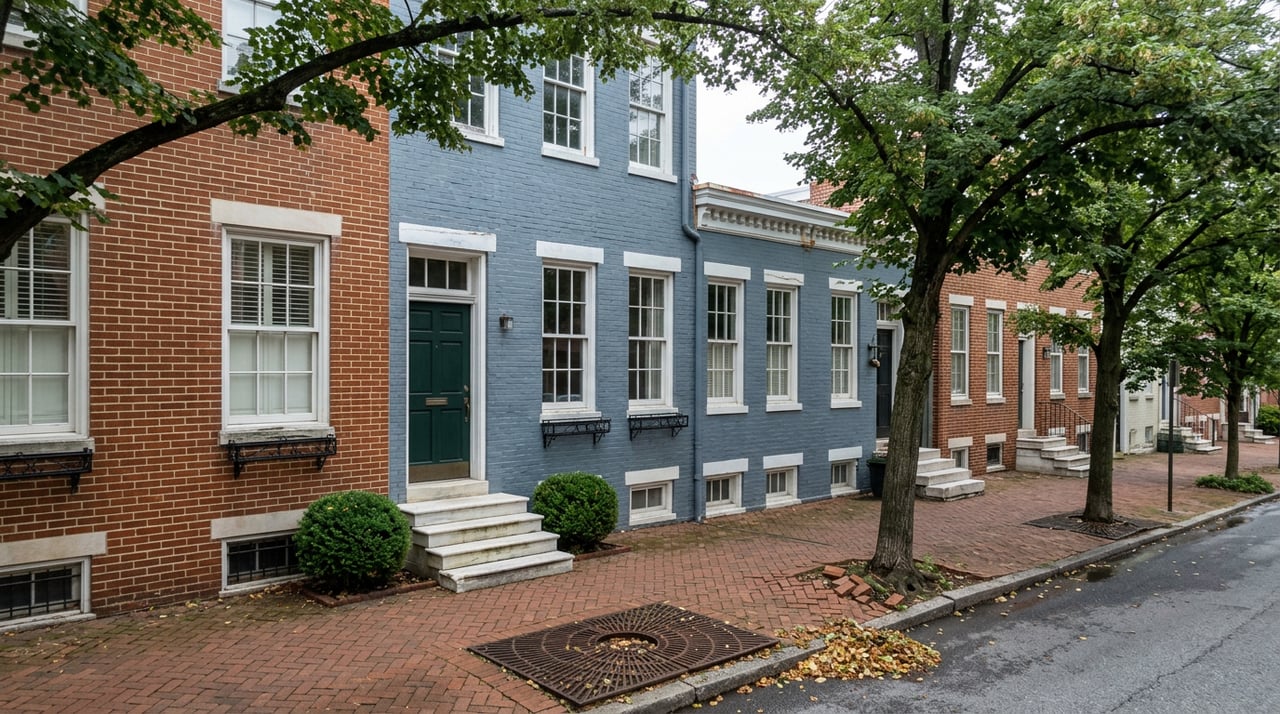
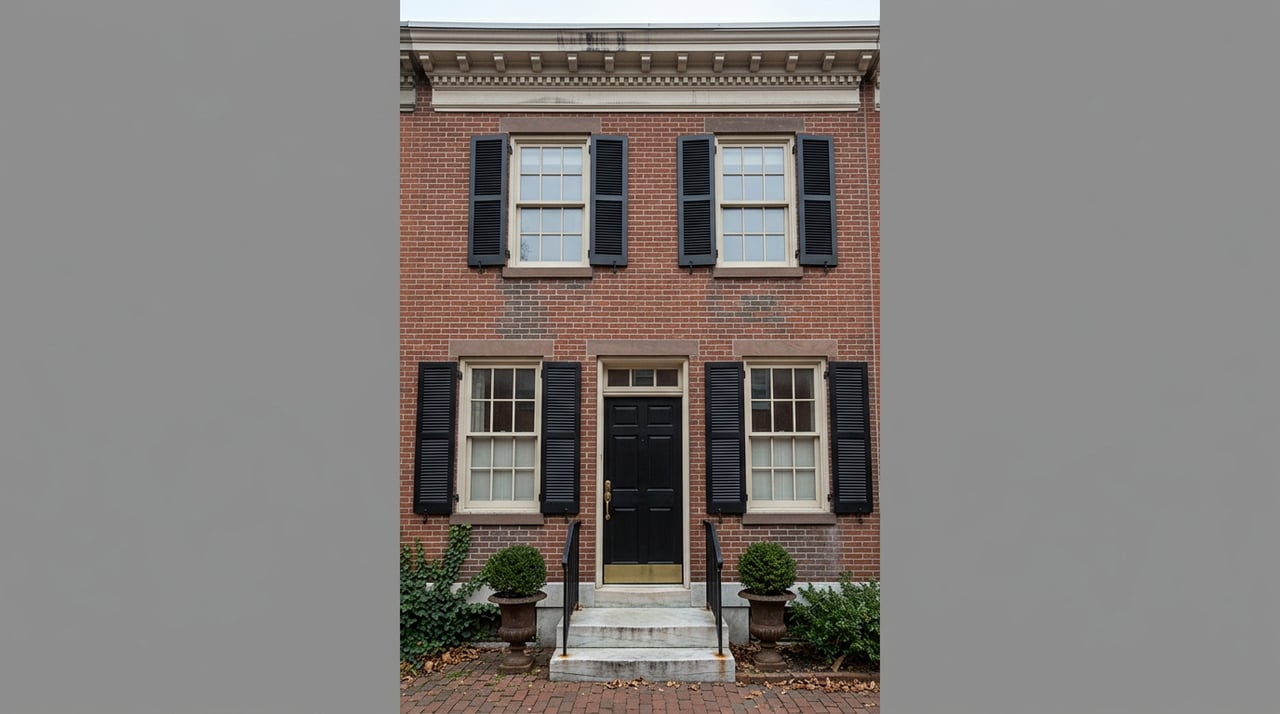
Fells Point is a historic business and residential district known for rowhomes, waterfront access, shops, nightlife, and visitor activity. That mix naturally supports leisure-oriented stays, weekend demand, and event-driven travel. It can also appeal to relocating professionals who want a walkable urban setting with a lot nearby.
Harbor East has a different rhythm. It is a mixed-use waterfront district with offices, hotels, dining, and retail between the Inner Harbor and Fells Point. Based on that setup, Harbor East appears better aligned with business travelers, relocating professionals, and extended furnished stays than with a pure vacation-rental model.
Both neighborhoods also benefit from larger citywide demand drivers. The Baltimore Convention Center and the downtown hotel ecosystem support event-related lodging demand, especially for visitors who want access to the waterfront and nearby entertainment.
Healthcare is another major factor. With Johns Hopkins Hospital, Johns Hopkins Bayview Medical Center, and the University of Maryland Medical Center in the broader Baltimore area, temporary housing demand may come from visiting clinicians, travel nurses, patient families, and relocating medical professionals. That is a practical market inference based on the size and location of those institutions.
A recent third-party market data source estimated Baltimore’s short-term rental market at 42.4% occupancy, a $151 average daily rate, and $18,787 average annual revenue for May 2025 through April 2026. That is only a citywide benchmark, not a Fells Point or Harbor East forecast. Still, it is a useful reminder that underwriting should be conservative and specific to the exact property.
One of the biggest mistakes buyers make is assuming that a 30- to 89-day stay counts as a medium-term rental under local law. In Baltimore City, that is not how the code works.
Baltimore City defines a short-term residential rental as lodging provided for fewer than 90 consecutive days through a hosting platform. That means many furnished stays people casually call medium-term are still treated as short-term rentals by the city.
If your plan involves stays of 30, 60, or 89 days, you are still inside Baltimore City’s short-term rental framework. The real legal dividing line is 90 days, not the industry shorthand.
If you are considering a short-term strategy in Fells Point or Harbor East, the next issue is not demand. It is whether your intended use is even allowed under the city’s licensing rules.
Baltimore City generally limits a short-term rental license to the owner’s permanent residence. Under the code, that means the dwelling unit where the owner lives at least 180 days each year and uses as the usual place of return.
For most buyers, the safe assumption is simple: a newly purchased whole-home investment property cannot automatically become a legal short-term rental just because it is in a high-demand neighborhood. There is a narrow grandfather provision for some older pre-2019 situations, but that is not something a new buyer should assume applies.
There is another important point here. A short-term rental license is not a property right, and it does not transfer when a property is sold. If you are buying a home or condo because the current owner has been operating it as an STR, that does not mean you can continue the same use after closing.
Baltimore City requires short-term rental hosts to meet several operational standards. The property must comply with building, fire, health, and zoning rules. Hosts must also keep rental records, post emergency contact information for a representative who lives within 15 miles, display notice that the dwelling is licensed, and include the license number in listings and advertisements.
Hosting platforms also have obligations. They must verify that a license is valid and that the address matches before listing the unit, and they must include the license number in the listing.
Baltimore City imposes a 9.5% tax on gross amounts paid for hotel stays and short-term residential rentals, including amounts paid to hosts and hosting platforms. If you are estimating income, that tax needs to be part of your numbers from the start.
Short-term rental licenses also expire every two years on the anniversary of issuance. So even if a property use appears viable today, compliance is an ongoing process rather than a one-time checkbox.
Starting October 1, 2026, Maryland’s Jillian and Lindsay Wiener Short-Term Rental Fire Safety Act adds new rules for certain short-term rentals. This law applies to units offered for fewer than 30 consecutive days.
For stays under 30 days, the law requires:
The law also requires Baltimore City and eligible counties to adopt annual inspection requirements by July 1, 2028 for covered short-term rental units, and local governments may set inspection fees.
This is where things get nuanced. Baltimore City’s own short-term rental rules apply to stays under 90 days, but the new Maryland fire safety law applies only to stays under 30 days.
So if you offer a furnished stay for 45 or 60 days, that stay may still be a Baltimore City short-term rental even though it does not fall under the state law’s under-30-day threshold. If you are buying with a furnished rental plan in mind, it is important to separate these two legal frameworks.
If your goal is a furnished rental that avoids Baltimore City’s short-term rental definition, the key is to think in terms of 90 days or more.
Once a stay reaches 90+ days, it is generally outside the city’s short-term rental definition because the occupant is no longer treated as transient under that section of the code. In practical terms, that means a true medium-term rental in Baltimore City is usually a furnished lease of at least 90 days.
For many buyers, this is the simpler lane. It aligns better with relocation housing, corporate stays, medical-related housing, and other longer furnished occupancy patterns that may fit Harbor East especially well, while still being relevant in Fells Point.
Moving into the 90-plus-day category does not mean no rules apply. It means a different set of rules applies.
Baltimore City says all rental properties, including one- and two-family dwellings and multifamily buildings, must be registered, inspected, and licensed. The property must pass inspection before the rental license is issued.
The city states that failing to register and license a rental property can lead to a $1,000 fine and possible suspension, revocation, or denial of a rental license. For buyers, this is a major due diligence issue, especially if you are purchasing with immediate rental plans.
Just like short-term rental licenses, standard rental licenses do not automatically move from one owner to the next. A new owner must apply for a new rental license within 60 days of taking ownership or operation.
Advertising for a covered rental dwelling must also include the rental license number. So if you are buying a property with the expectation of placing it into service quickly, your timeline should account for licensing and inspection requirements.
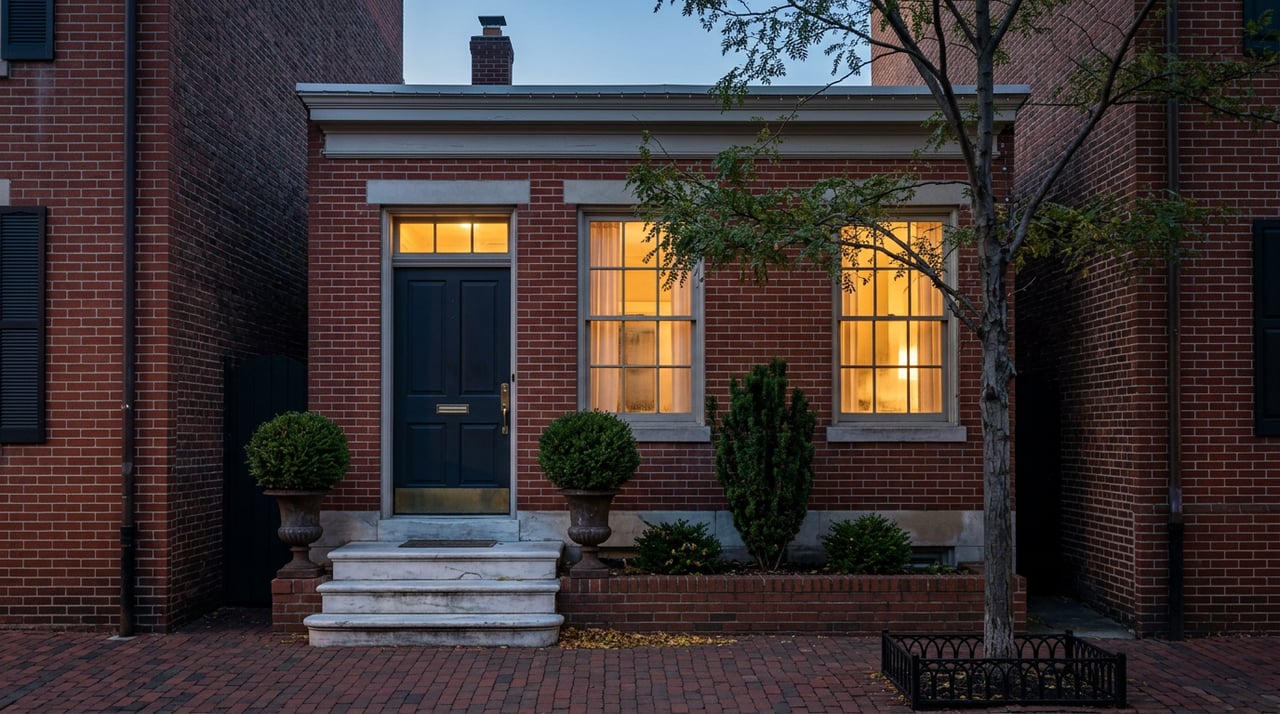
In Fells Point and Harbor East, this point is especially important because the housing stock includes rowhomes, condos, mixed-use buildings, and professionally managed communities.
Maryland law gives real force to condominium and homeowners association governing documents. Restrictions on use can come from declarations, bylaws, rules, contracts, covenants, or other recorded instruments affecting the property.
In plain English, that means a property may be allowed under city law for a certain type of rental use, but a condo association or HOA may still prohibit it or require a longer minimum lease term. This is one reason parcel-by-parcel due diligence matters more than neighborhood reputation.
If you are evaluating Fells Point or Harbor East for income potential, here is the clearest framework.
In these neighborhoods, the difference between a smart purchase and a frustrating one often comes down to this early due diligence. The address alone does not determine what rental strategy will work.
If you are weighing a waterfront condo, a historic rowhome, or a relocation-friendly furnished rental opportunity in Baltimore, local nuance matters. The team at The Baldwin & Griffin Group of Compass can help you evaluate the property, the neighborhood context, and the practical questions that shape a sound buying decision.
Stay up to date on the latest real estate trends.