A Buyer’s Guide to Homeland Baltimore Covenants & Lakes
April 2, 2026
April 2, 2026
Buying in Homeland is not quite like buying in most Baltimore neighborhoods. You are not just choosing a home. You are also stepping into a carefully planned setting shaped by deed covenants, architectural review, rear lanes, and six decorative lakes. If you are considering a move here, understanding how those pieces work can help you buy with confidence and avoid surprises after closing. Let’s dive in.
Homeland is a planned neighborhood in northern Baltimore City, not Baltimore County. According to the Homeland Association, the neighborhood includes 957 homes and is generally bounded by Homeland Avenue, Charles Street, Melrose Avenue, Bellona Avenue, and York Road.
What many buyers notice first is the layout. Homeland is known for curving streets, pedestrian paths, rear lanes, and six decorative lakes that help define the neighborhood’s overall design. The Homeland Association’s history notes that nearly every home has rear lane access and that utility lines run through those lanes to help preserve front-facing views.
That design is a big part of Homeland’s appeal. It creates a park-like setting that feels intentional and cohesive, while still offering a wide variety of home styles.
In Homeland, the rules attached to a property are more than a typical HOA checklist. The neighborhood’s framework is deed-based, and the Homeland Deed and Agreement states that every property remains subject to the 1924 Deed and Agreement even if later deeds do not repeat it.
The same source explains that the Homeland Association became the successor to the original company in 1948 and says it has the authority and duty to enforce the covenants. For buyers, that means the review process and standards are part of ownership, not an optional layer.
This matters most if you are planning changes to the exterior. In Homeland, what you buy today may also shape what you can change tomorrow.
One of the most important things to know before you buy is that exterior work requires written approval before anything begins. According to the Architectural Approval Process, this applies even to like-for-like replacements.
The process is structured. The Architectural Committee reviews applications and recommends action to the Homeland Board, and the Board makes the final decision. The same guidance also makes clear that Baltimore City permits may still be required, even after association approval.
If you are looking at a home and already thinking about new windows, a roof replacement, repainting, fencing, or a patio update, this should be part of your due diligence. It is smart to understand the timeline and standards before you commit.
Homeland offers unusually direct buyer guidance, and it is worth taking seriously. On its buying a home page, the association says common covenant issues include improper windows, shutters, paint colors, roofing material, fencing, landscaping, sheds, and unpaid fees.
The same page advises buyers to review the covenants and ask the seller for a letter confirming there are no outstanding issues. It also notes an important procedural detail: the seller is the party that corresponds with the association, and the association says it does not provide letters to buyers or buyers’ agents.
That makes prep work especially important. If you are under contract in Homeland, you want a clear picture of any unresolved compliance issues before settlement.
Before you move forward, it helps to verify a few things early:
For buyers who value predictability, this step can make the transaction much smoother.
In Homeland, landscaping is part of the neighborhood’s broader visual plan. The architectural standards say extensive redesigns, water features, arbors, and major garden or security-lighting changes need approval.
The standards also say front-yard landscaping may not create visual barriers or interrupt vistas. That detail reflects the neighborhood’s original landscape logic and helps explain why Homeland’s streets feel so open and interconnected.
For you as a buyer, this is less about restriction for its own sake and more about understanding the shared design priorities of the neighborhood. If you love mature landscaping and a cohesive setting, this can be a real advantage.
Some of Homeland’s most specific rules relate to the details buyers often ask about after closing. According to the architectural standards, fences generally max out at 42 inches, and permitted materials are limited to painted wood, treated wood, or painted fabricated steel. Vinyl, plastic, aluminum, and chain link are not permitted.
The same standards say outbuildings other than garages are generally prohibited. They also cover other visible exterior elements, including windows, roofs, gutters, paint, patios, additions, and security bars or grates, which are not allowed on windows or doors.
Those guidelines can affect both your renovation plans and how you evaluate a property’s current condition. A home that appears move-in ready still deserves a careful look if any exterior work seems recent or inconsistent.
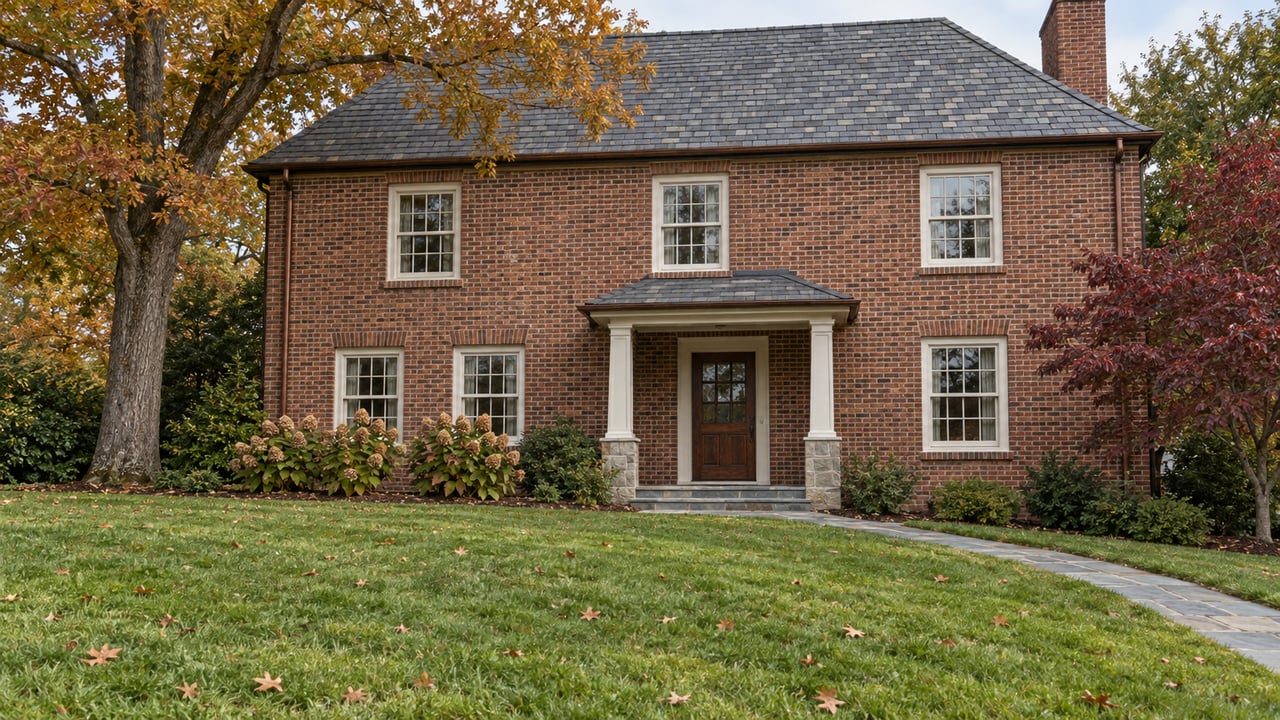
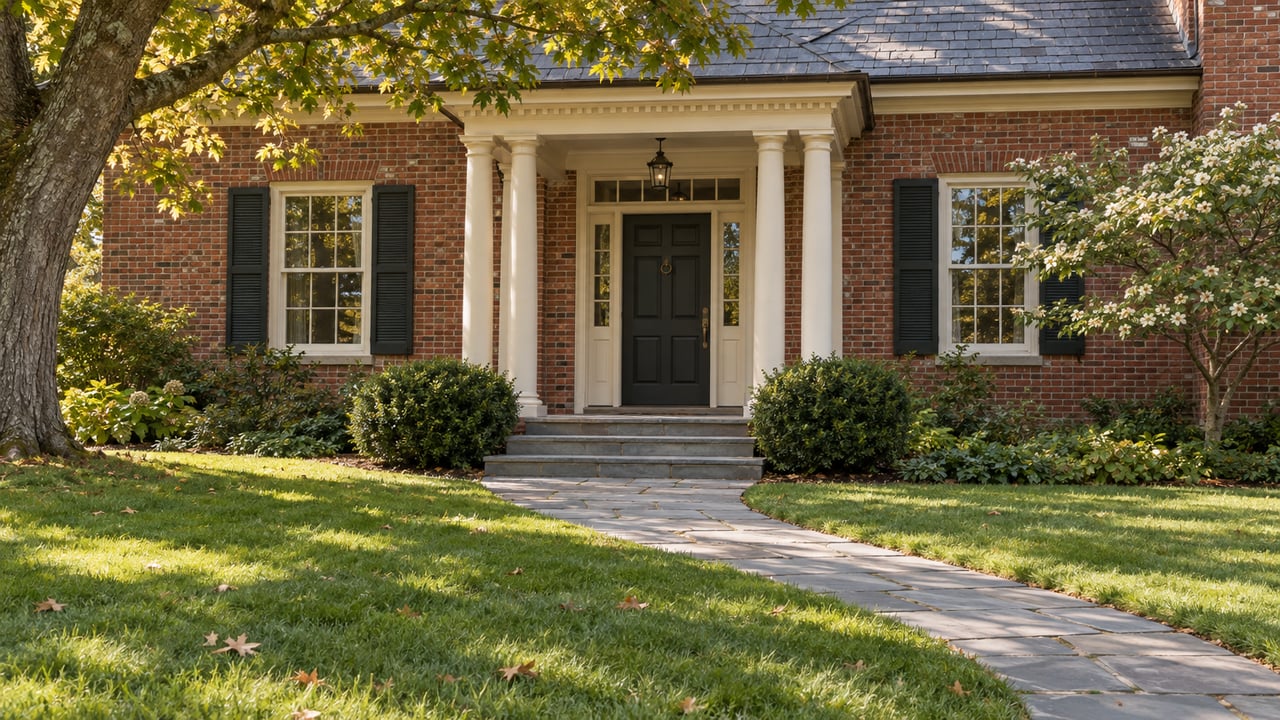
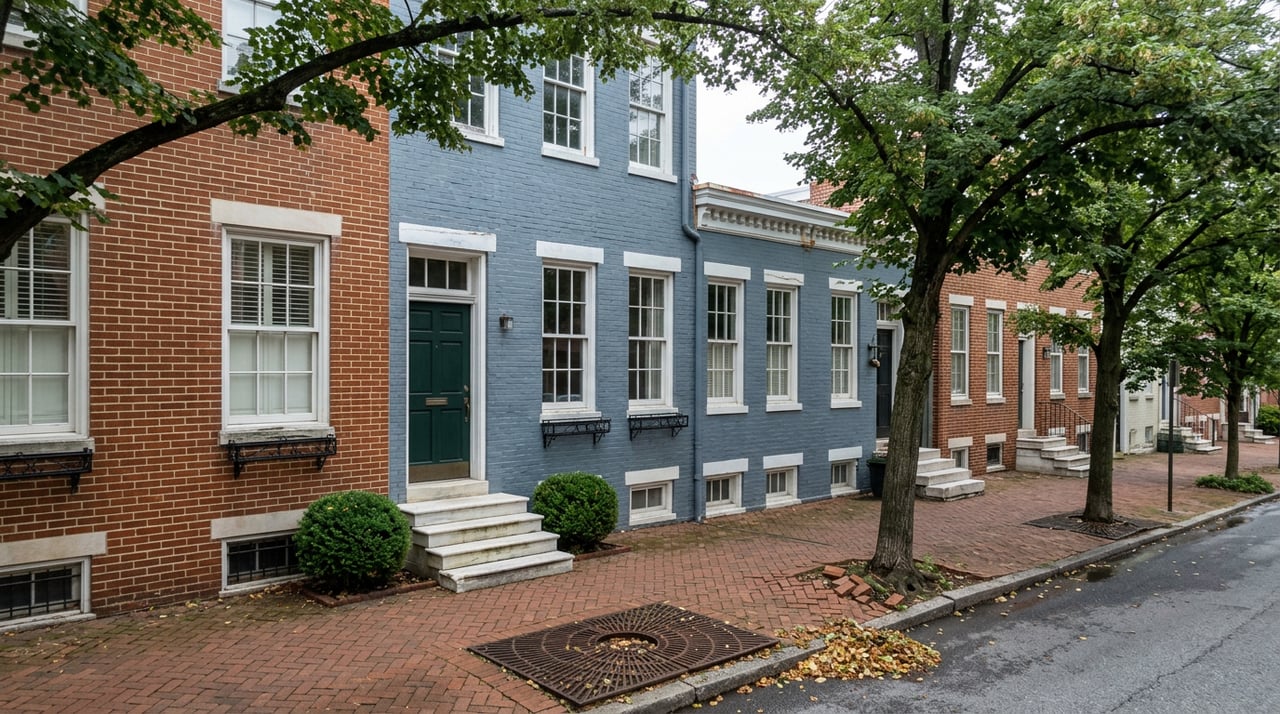
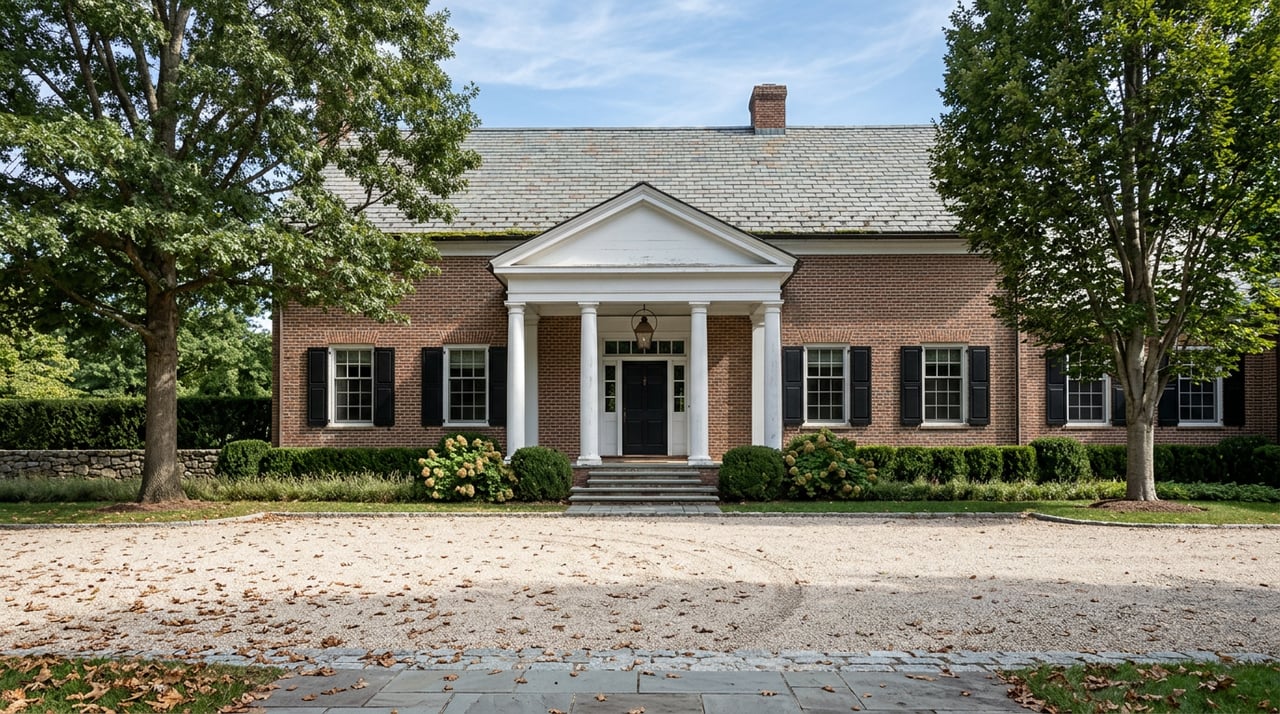
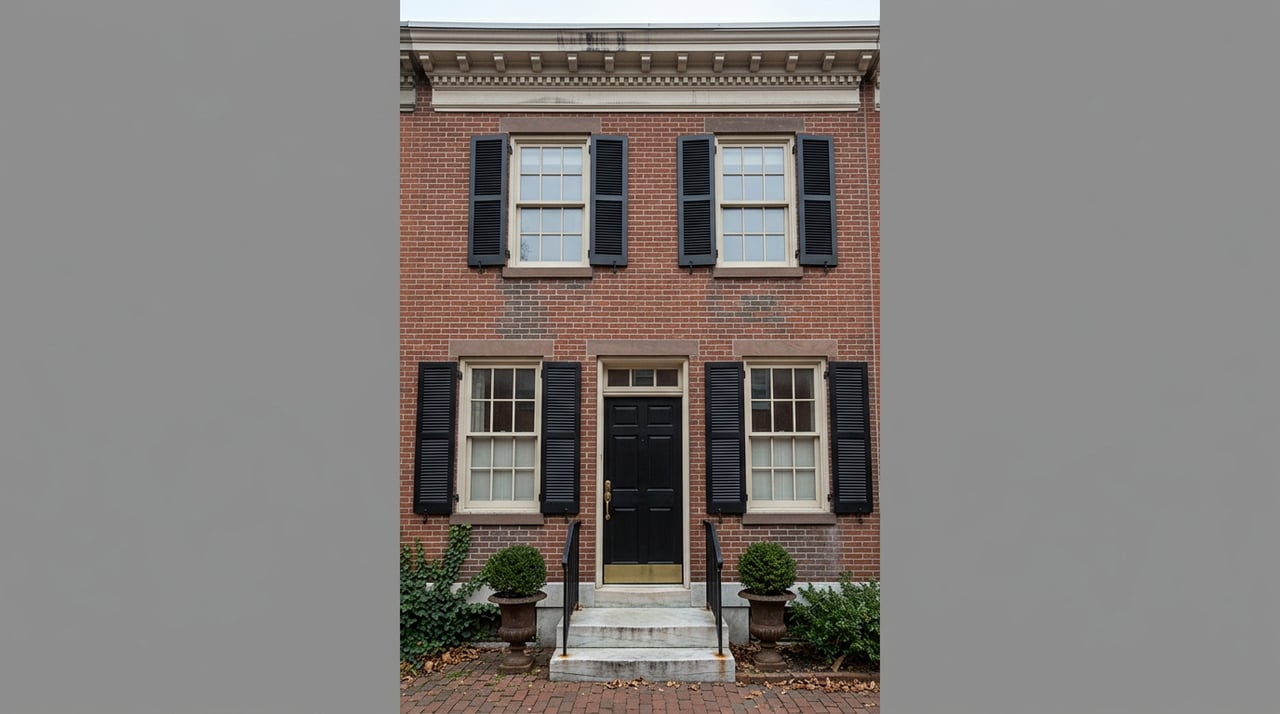
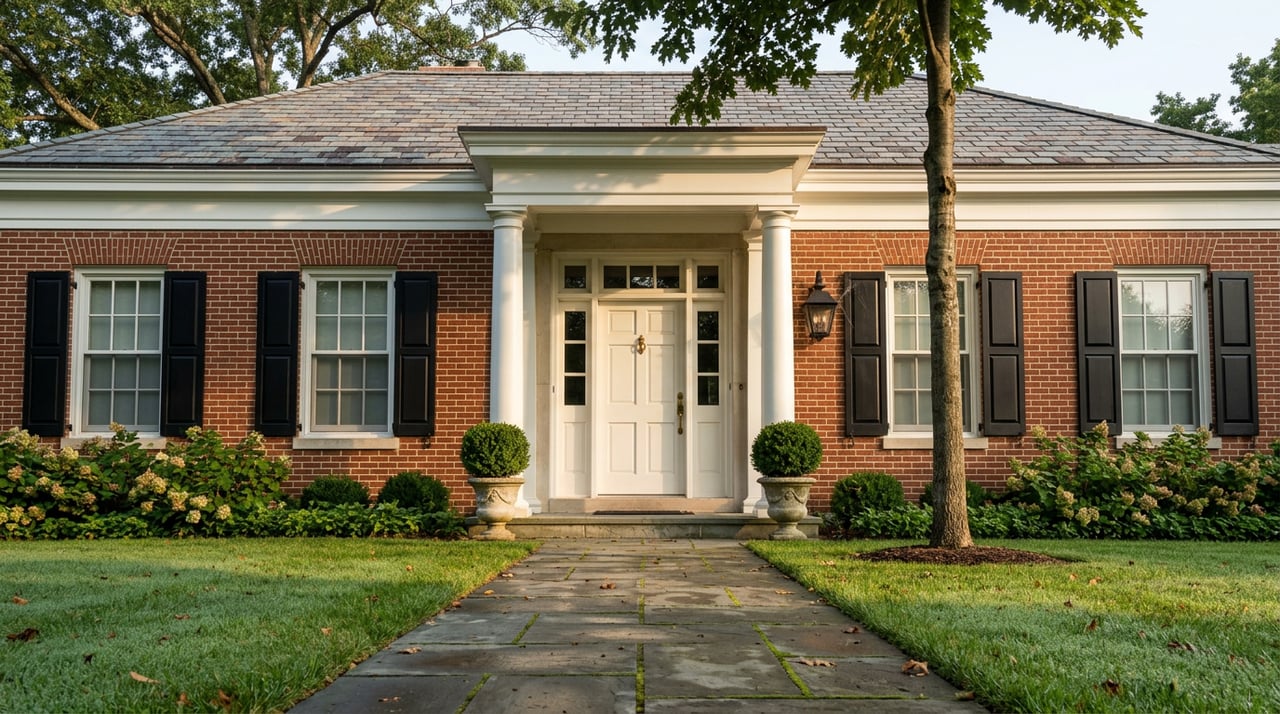
Homeland is not architecturally uniform, but it is highly intentional. The National Register documentation shows that Federal Revival is the largest style share in the historic district, followed by Tudor Revival, Georgian Revival, and Dutch Colonial.
The Homeland Association’s history also describes a blend of Georgian, Norman, Tudor, French country, Early American, and Colonial forms. That variety gives buyers a wider design range than they might expect, while still preserving a consistent neighborhood character.
If you are comparing homes block by block, this is part of the fun of buying in Homeland. You can find meaningful architectural differences without losing the sense of overall cohesion.
Homeland is often discussed alongside Roland Park and Guilford, and the comparison is useful. Based on the neighborhood histories summarized in the research, Roland Park began in 1891, Guilford in 1911, and Homeland followed in 1924 as the later sibling in the Roland Park Company family.
The Roland Park history helps place that timeline in context. In broad terms, Homeland is associated with a stronger emphasis on traditional architecture, rear lanes, and lakes, while still sharing the planned-neighborhood DNA seen in nearby historic districts.
For buyers, the takeaway is simple: these neighborhoods may appeal to similar audiences, but Homeland has its own physical rhythm and rule structure. It is worth evaluating on its own terms.
Historic designation can matter if you are thinking about future improvements. The National Register nomination states that the Greater Homeland Historic District was listed in the National Register in 2001 and contains 1,616 contributing resources.
That designation may also connect to financial incentives. The same source notes that eligible owner-occupied rehabilitation work may qualify for Maryland’s 20 percent homeowner tax credit, and Baltimore City also offers a 10-year historic property tax credit for approved improvements.
If renovation is part of your long-term plan, these programs are worth reviewing early. They may influence how you budget and prioritize work.
Homeland can be a strong fit if you value architectural character, a highly planned setting, and a neighborhood where exterior stewardship is taken seriously. It may also appeal to buyers who like the idea of rear-lane access, mature landscaping, and homes within a well-defined historic framework.
At the same time, Homeland is best approached with open eyes. If you want complete flexibility with exterior changes, fencing, landscaping, or additions, the covenant structure may feel more involved than in other neighborhoods.
The right move is not just finding the right house. It is understanding the responsibilities that come with it. If you are exploring Homeland and want thoughtful guidance through the details, The Baldwin & Griffin Group of Compass can help you evaluate the home, the process, and the bigger picture with clarity.
Stay up to date on the latest real estate trends.