Guide to Buying a Historic Rowhome in Otterbein
March 5, 2026
March 5, 2026
If the charm of brick stoops, cornices, and narrow streets has you eyeing Otterbein, you are not alone. Buying a historic rowhome here comes with real rewards, along with a few extra steps that smart buyers plan for. In this guide, you will learn how Otterbein’s historic status affects renovations, which inspections to order, and how Maryland’s tax credits can help with costs. Let’s dive in.
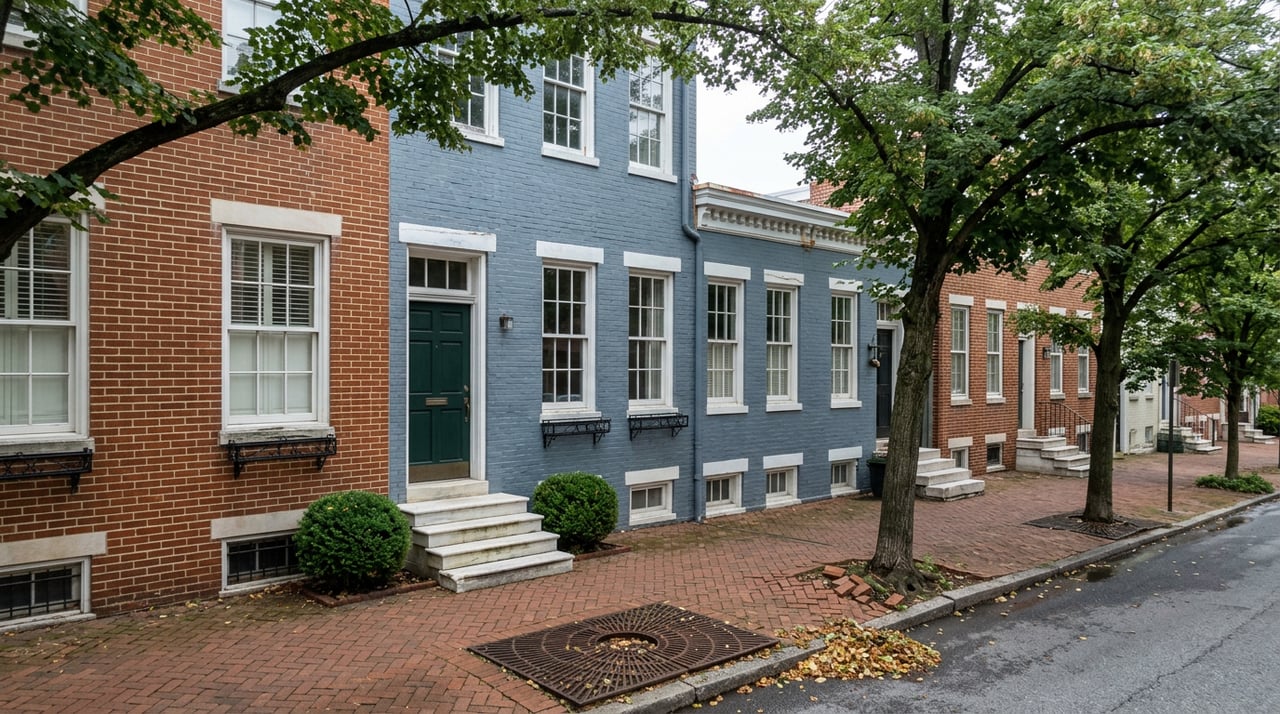
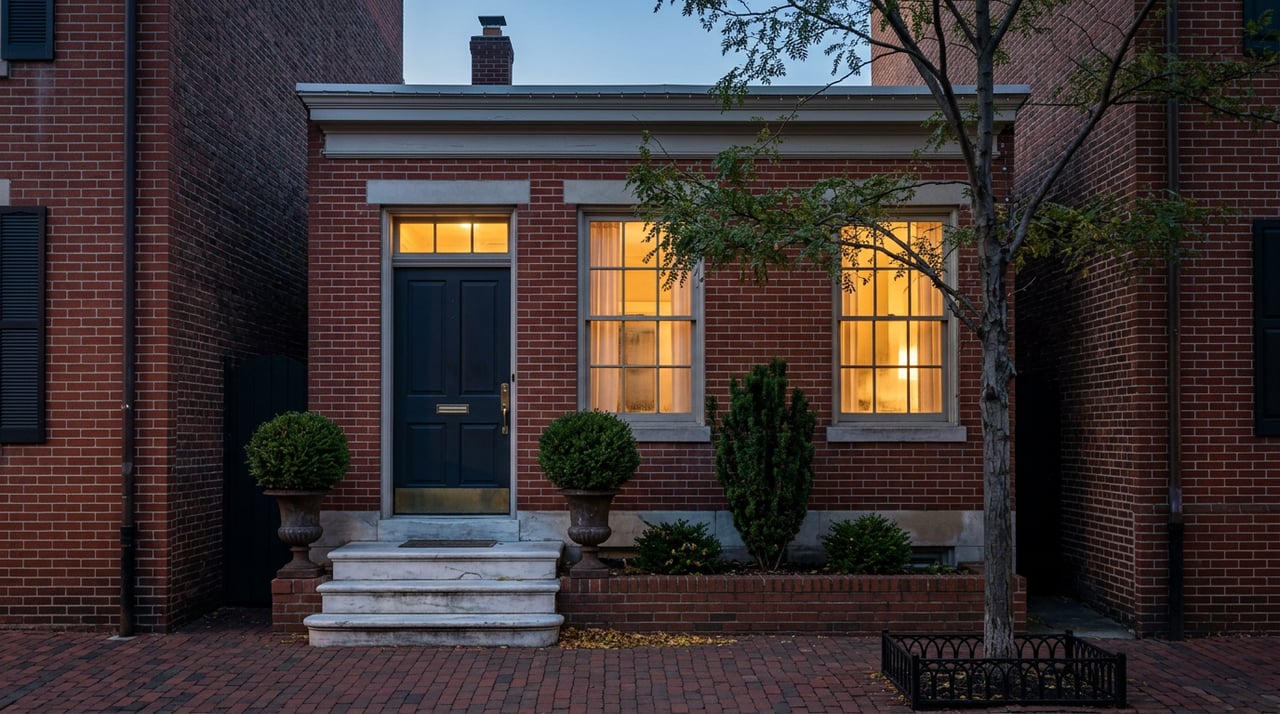
Otterbein sits just west and southwest of Baltimore’s Inner Harbor. The neighborhood is known for 19th-century brick rowhouses, compatible infill, and a walkable, intimate scale. The area was designated a Baltimore City historic district in 1983 and certified for historic tax incentives in 1984, which helps explain why exteriors are so well preserved. You can read about the district’s status on the city’s Otterbein page from CHAP, the Commission for Historical and Architectural Preservation.
Much of Otterbein was revitalized during Baltimore’s 1970s urban homesteading or “dollar homes” era. Many original rowhouses were restored and new townhomes were added to complement the historic fabric. That is why you will see a mix of high-integrity historic facades and later infill that respects the streetscape. For more neighborhood history, see the Otterbein Community Association’s overview.
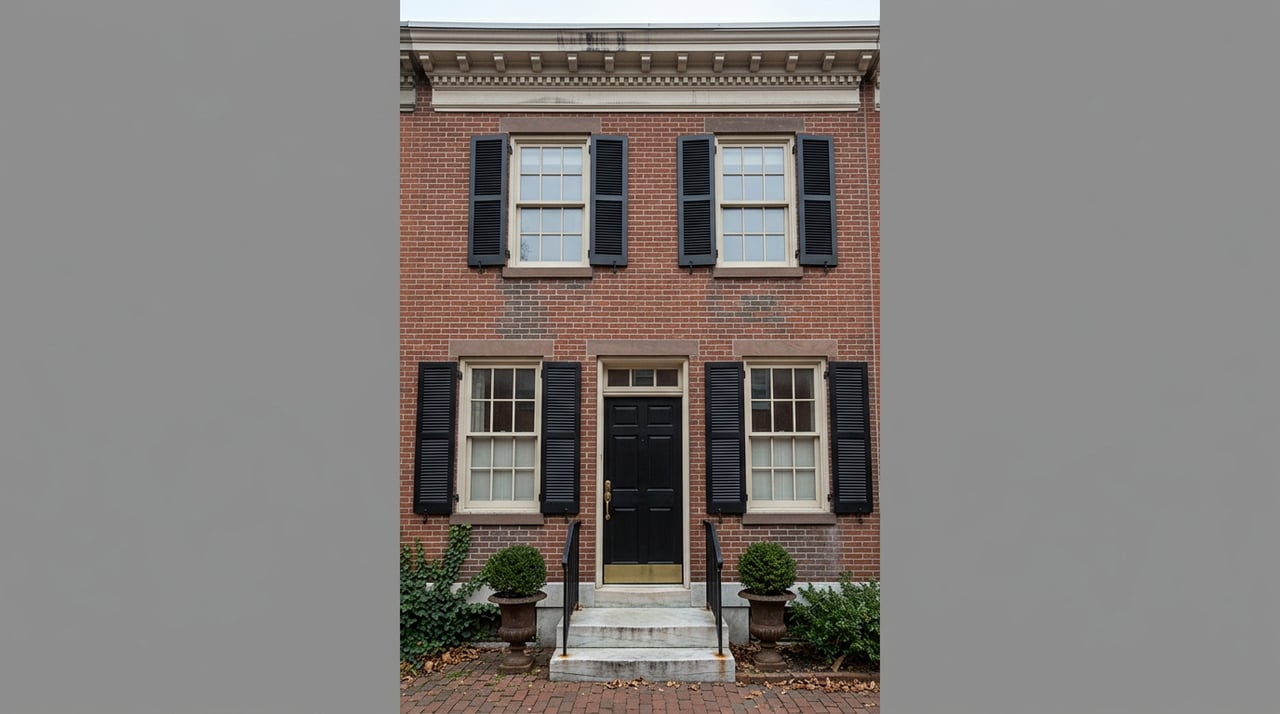
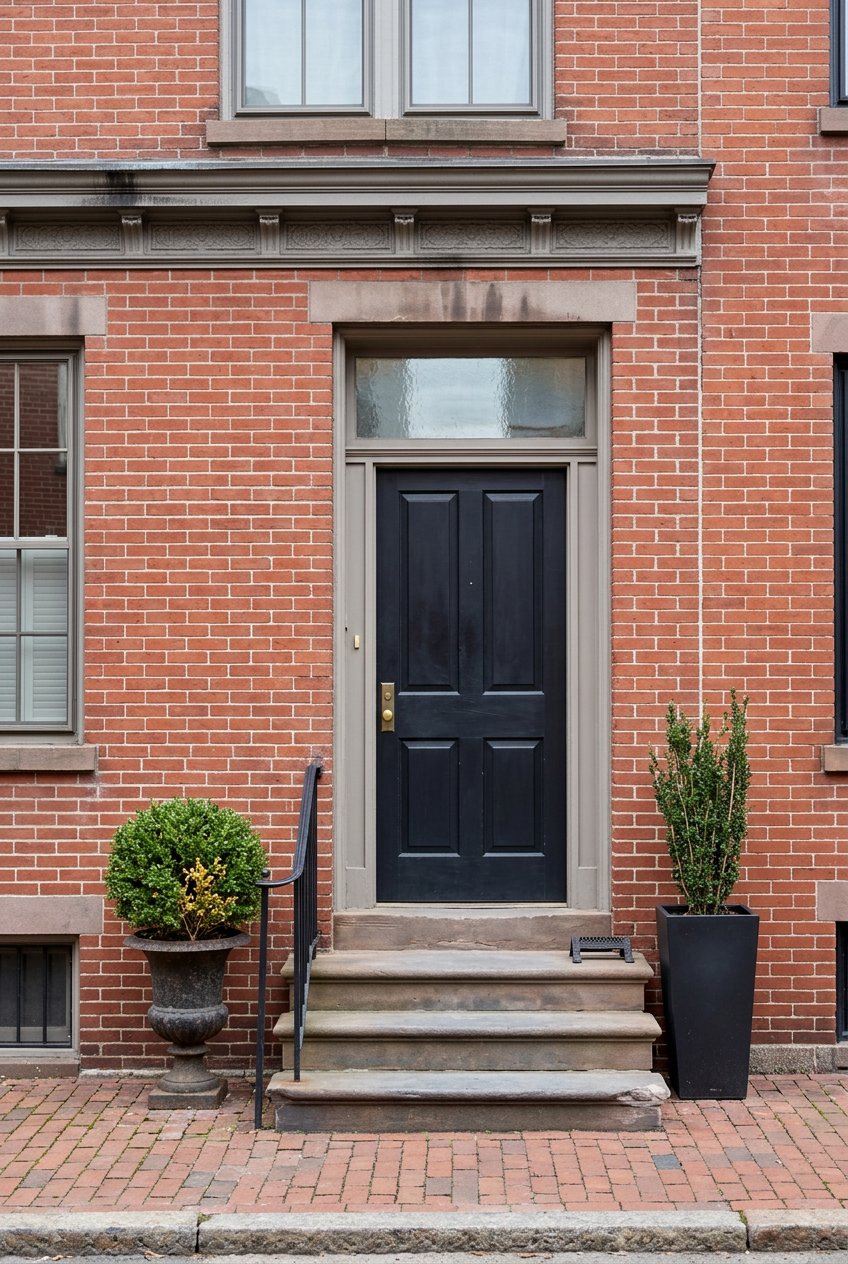
Buying in a local historic district means exterior changes are reviewed by CHAP. This affects what you can do to street-facing walls, windows and doors, roofs and chimneys, porches or stoops, and other character-defining features. Interior work is typically not reviewed, but always confirm scope before starting.
CHAP review commonly covers:
CHAP’s Design Guidelines favor repair over replacement, in-kind materials, matching profiles, and avoiding coatings that trap moisture. Find specifics in the CHAP Design Guidelines.
CHAP review runs alongside Baltimore City permitting. If you file a building permit first, the permit is held until CHAP issues an Authorization to Proceed. Smaller projects can be approved administratively. Larger items like additions or major alterations often go to a public hearing. Build this step into your timeline, and contact CHAP staff early to avoid delays. Process details are outlined in CHAP’s review procedures.
Many Otterbein homes predate 1978, so lead-based paint is a real consideration. When a tested and documented lead hazard cannot be addressed by repair, CHAP may allow the replacement of a historic element, provided you submit testing and documentation and match the historic appearance. See “Health and Safety” guidance in the CHAP Design Guidelines.
If you plan to live in the home, Maryland’s Historic Revitalization Tax Credit program offers a homeowner credit for certified rehabilitations of owner-occupied single-family historic structures. The credit equals the lesser of 20% of qualified rehabilitation costs or 50,000 dollars. Your project must follow the three-part application and certification process and include at least 5,000 dollars of qualified expenses within a chosen 24-month period. Start conversations with the Maryland Historical Trust (MHT) early to align your scope with the rules. See the MHT tax credit program and the homeowner program regulation in COMAR 34.04.07.03.
State funding and timelines can vary by year. Confirm current deadlines and any caps with MHT before you begin design or construction.
The federal 20% credit applies only to certified historic buildings used for income-producing purposes, such as rentals or commercial properties. Owner-occupied private residences do not qualify, except for the business portion of a mixed-use property. Learn more in the National Park Service eligibility overview. If you are planning a rental conversion, talk with MHT about coordinating federal and state reviews.
Older Baltimore rowhouses reward careful due diligence. Here are the inspections most buyers consider, and why they matter for Otterbein’s brick and masonry context.
Bring in a structural engineer experienced with historic masonry if you see leaning chimneys, bulging walls, long diagonal cracks, or major settlement. For routine repointing and localized repairs, a qualified historic-masonry contractor can evaluate and price the work. CHAP specifically recommends consulting an engineer when serious cracking or deterioration is present. Refer to the CHAP Design Guidelines for direction.
If you anticipate exterior work, contact CHAP staff before you finalize design, scope, and schedule. If you intend to pursue tax credits, reach out to MHT at concept stage. Early coordination helps you avoid permit holds, redesigns, and missed documentation steps. Start with CHAP’s review procedures and confirm whether your property is certified for incentives.
Prioritize contractors with documented CHAP or historic-district experience, who can match mortar composition and tooling and work in-kind with historic materials. For any work that may disturb lead paint, use EPA RRP-certified contractors, and where abatement is required, hire Maryland Department of the Environment accredited firms. The National Park Service’s Preservation Briefs are a helpful standard for good practice.
Expect more time and cost when projects need public CHAP hearings, scaffolding for masonry, custom mortar matching, or hazardous-material abatement. Repointing is specialized and weather dependent, so plan timing carefully. If you plan to layer in tax credits, build the Part 1, Part 2, and Part 3 certification steps into your schedule.
Some Otterbein properties fall under community association rules that may address exterior paint, stoops, fences, and common areas. As part of due diligence, request HOA governing documents, CC&Rs, and any prior CHAP approvals for the property. The Otterbein Community Association shares community information here: OCA community resources.
Protect your purchase with clear contingencies. Depending on the home, consider:
Buying a historic Otterbein rowhome is equal parts heart and homework. With the right guidance, you can honor the architecture, navigate CHAP with ease, and leverage incentives that help fund quality work. If you want a trusted partner to line up inspections, coordinate timelines, and negotiate smart contingencies, reach out to The Baldwin & Griffin Group of Compass. Our team pairs deep local expertise with a high-touch, concierge approach so you can buy with clarity and confidence.
Stay up to date on the latest real estate trends.