Thinking about listing your Homeland home in the next 6 to 12 months? You likely want strong photos, quick interest, and a confident sale price without over-spending on prep. The good news: focused staging and a few smart updates can make your home feel move-in ready while honoring its period details. In this guide, you’ll get a room-by-room plan, ROI-minded upgrades, and a simple timeline that fits Homeland’s market rhythm. Let’s dive in.
What Homeland buyers expect
Buyers in established Baltimore neighborhoods look for a balance of historic charm and everyday convenience. They value authentic details like moldings, mantels, built-ins, original hardwoods, and porches. At the same time, they expect kitchens and baths to feel functional and updated, even if the finishes are sympathetic to the home’s age.
Most shoppers want a move-in ready feel with minimal to-do lists. Curb appeal and usable outdoor spaces, even small ones, help listings stand out. Your goal is to highlight craftsmanship while removing distractions and signaling that major maintenance is under control.
A high-impact staging checklist
Use this list to get photo and showing ready while preserving your home’s character.
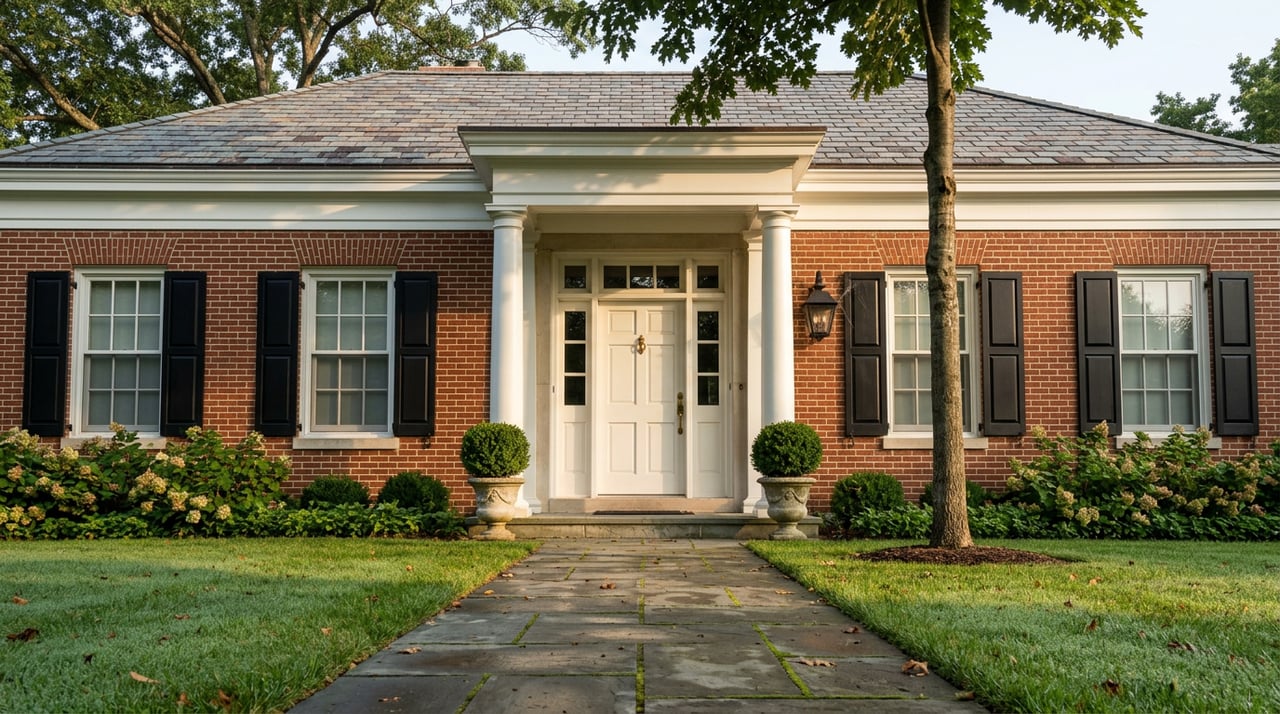
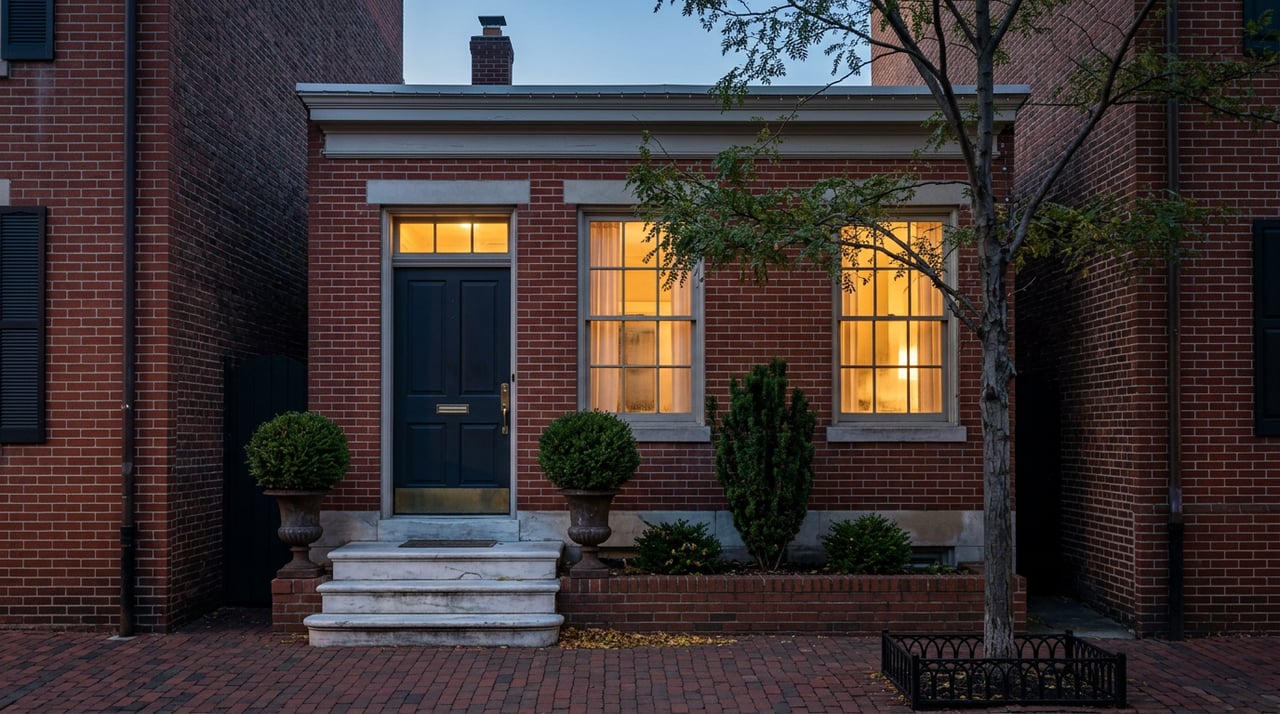
Curb appeal
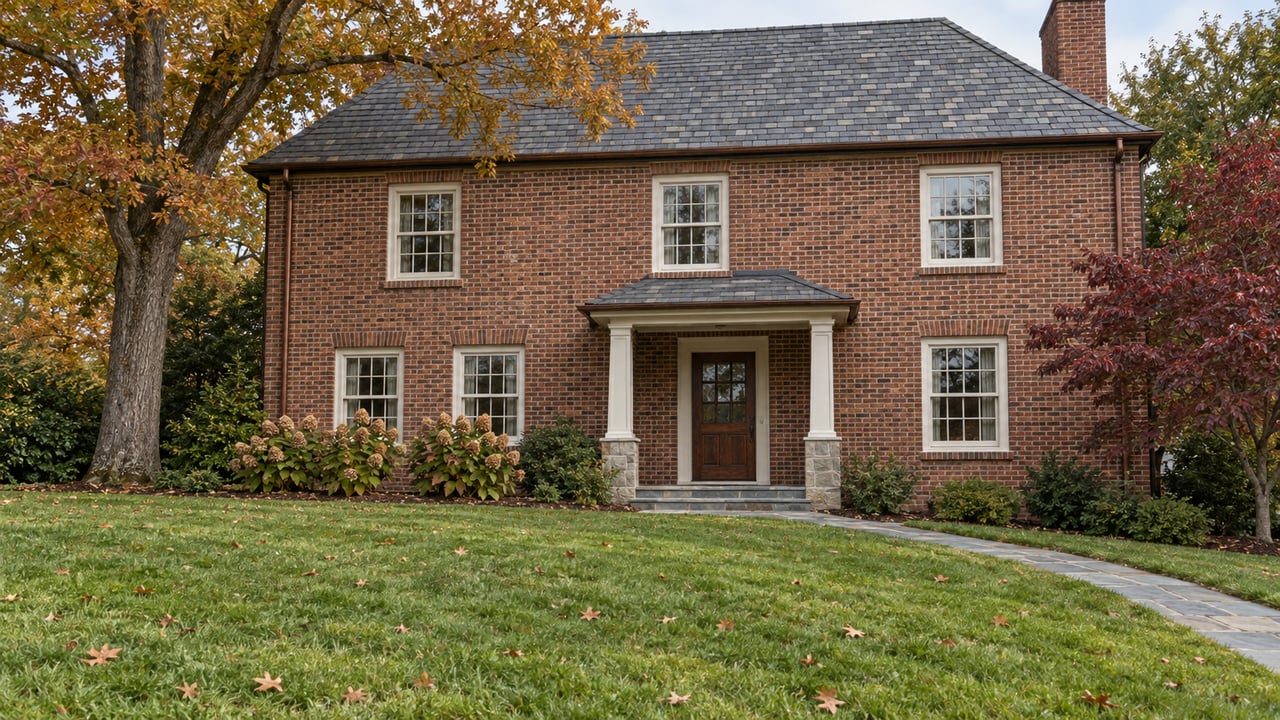
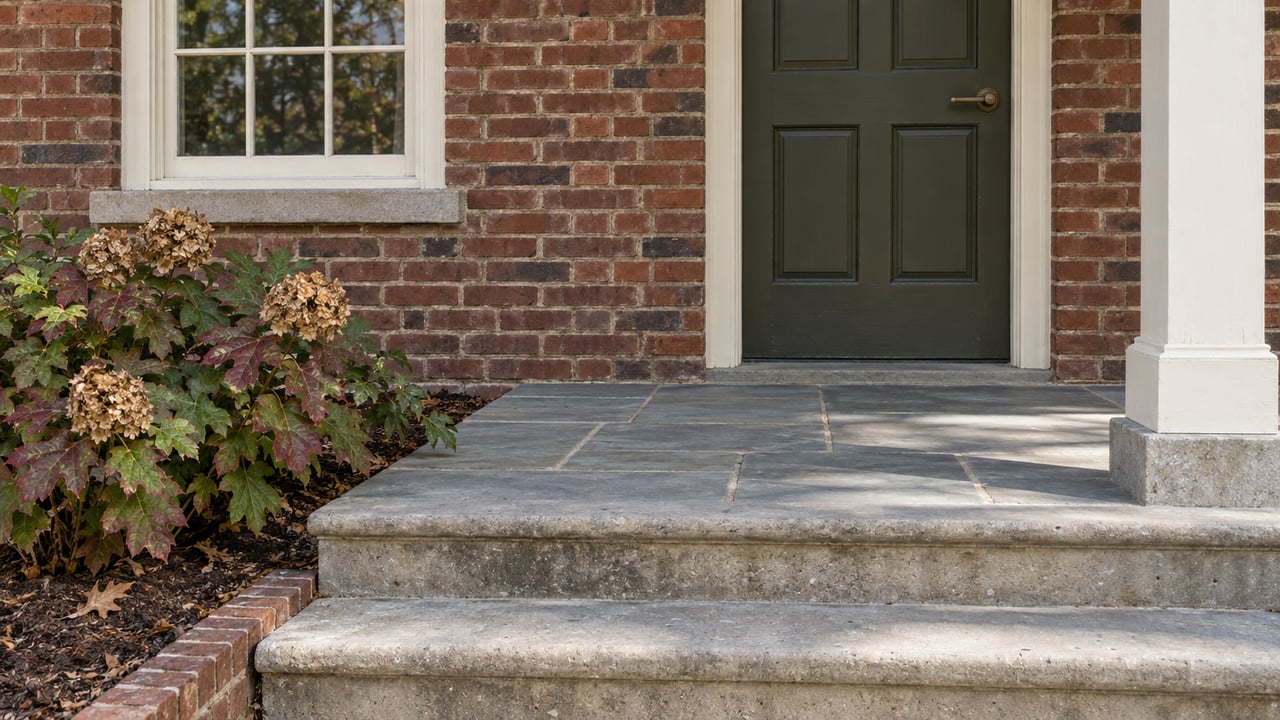
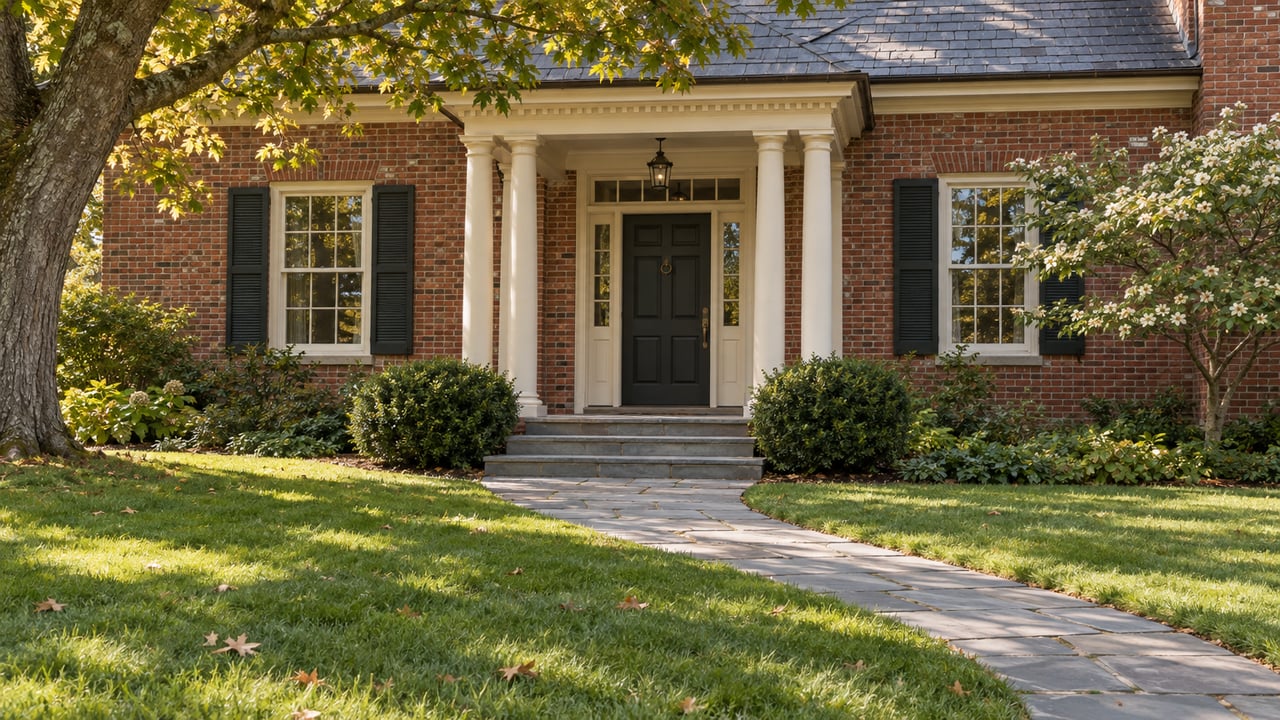
- Power-wash the porch and walkway, and remove cobwebs and debris.
- Trim hedges, edge beds, and mow. Place one or two seasonal planters by the entry.
- Clean and repair porch lights. Make sure house numbers are visible and tasteful.
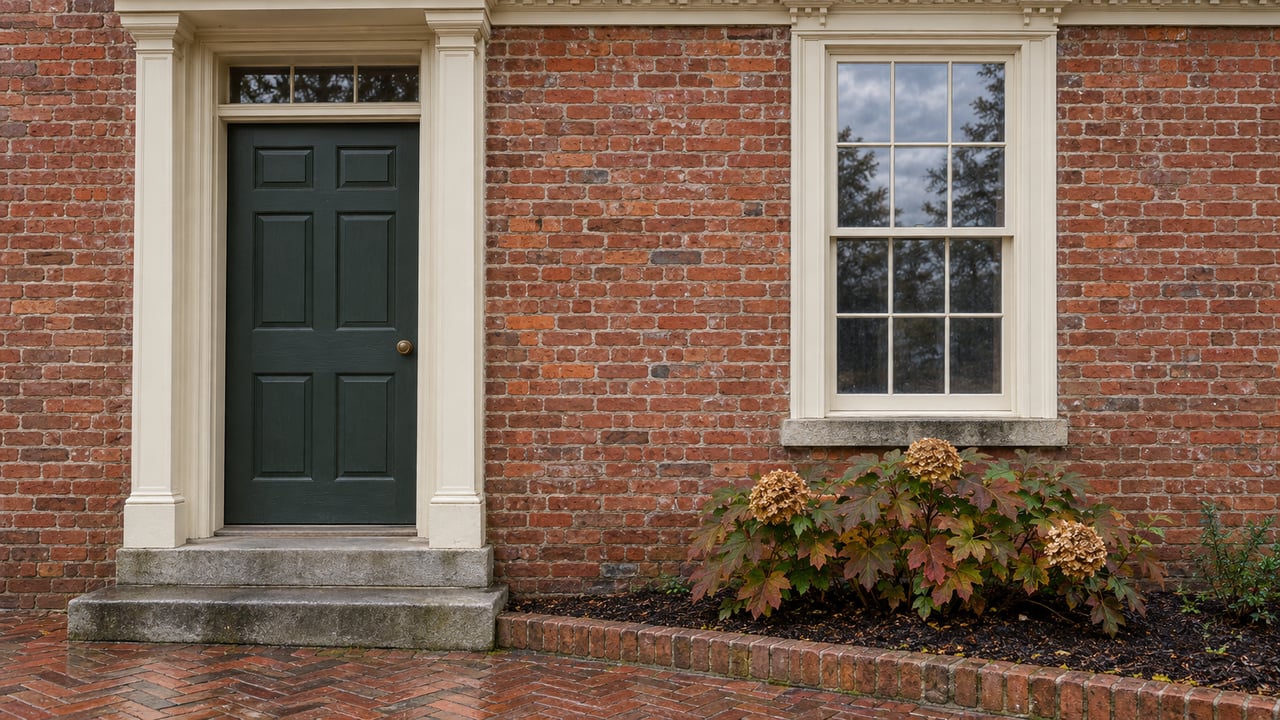
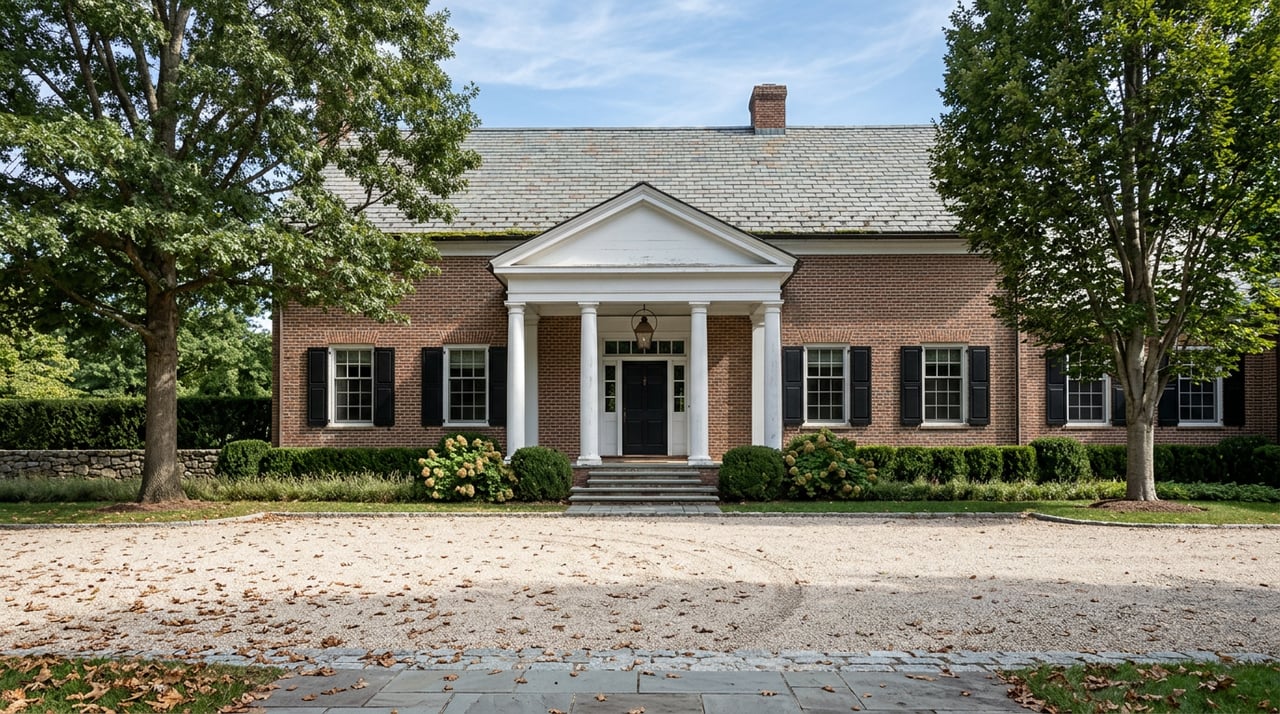
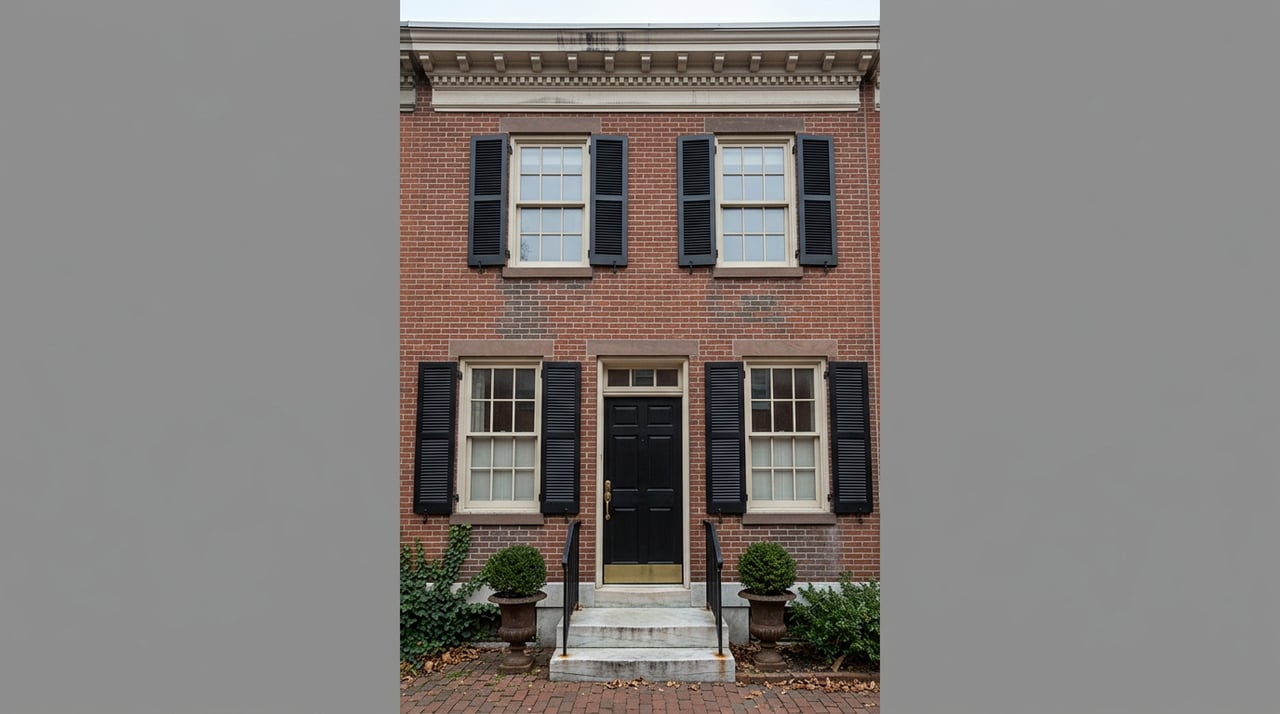
- Preserve original railings, columns, and brickwork. If repainting, choose colors that suit the home’s period character.
- Target golden hour for exterior photography to reduce harsh shadows.
Entry and foyer
- Clear sightlines by removing shoes, excess furniture, and clutter.
- Add a slim bench or console, a mirror, and a small rug for scale and welcome.
- Make original elements like the banister, transom windows, and moldings unobstructed and spotless.
Living room and formal rooms
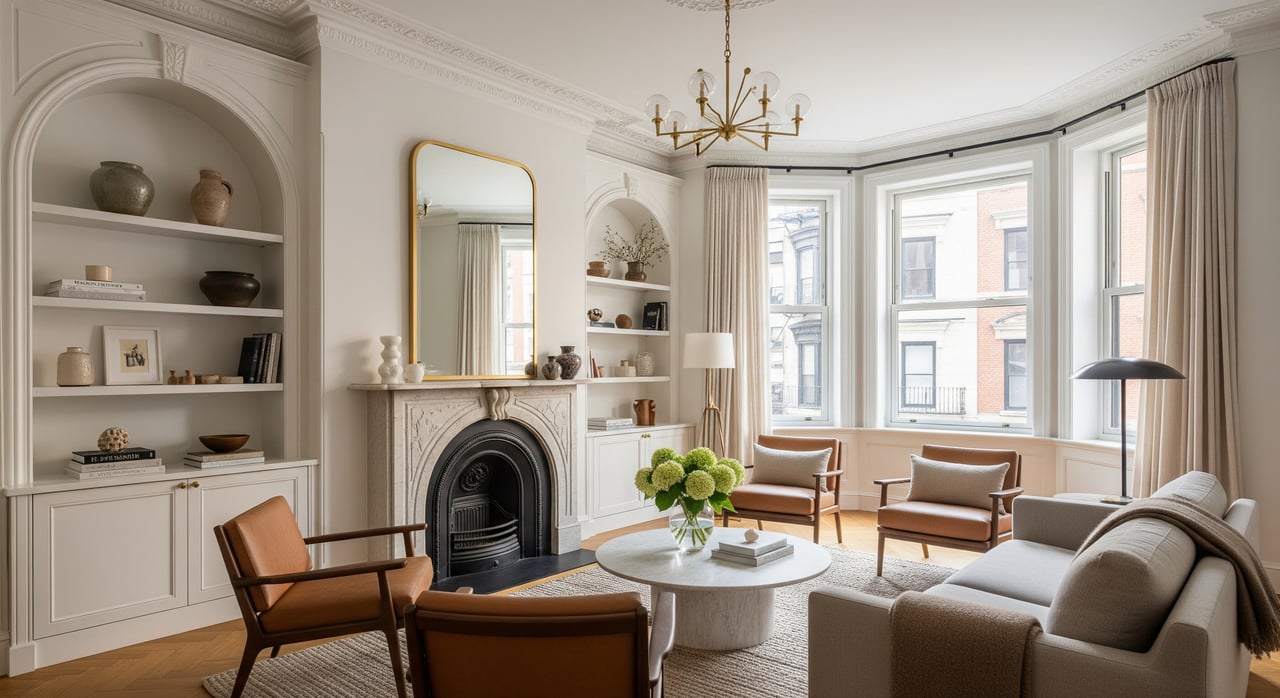
- Arrange furniture to show flow and conversation areas. Pull pieces off walls slightly for depth in photos.
- Style mantels and built-ins with minimal, symmetrical accessories.
- Use neutral wall colors and layer textures with throws and pillows for warmth.
Kitchen
- Clear counters and store small appliances. Keep surfaces clean and open.
- Swap cabinet hardware and the faucet for a quick refresh. Re-caulk and clean grout.
- Consider painting or professionally refacing solid cabinets rather than full replacement for faster ROI.
- Ensure major appliances are clean, working, and coordinated in finish.
Bathrooms
- Deep clean grout, re-caulk, and update the faucet, showerhead, mirror, and lighting if needed.
- Remove personal items. Add fresh towels and a small plant for a simple finishing touch.
- If you plan a bigger update, prioritize the primary bath over secondary baths.
Bedrooms
- Use neutral bedding with two to three layers for a crisp look.
- Declutter closets to show storage potential, since buyers often peek inside.
- Balance bedside lamps for soft, even light in photos and showings.
Lighting and color
- Clean windows and pull drapes back to maximize daylight.
- Replace mismatched bulbs with daylight or warm-white LEDs for a consistent color temperature.
- Choose warm, neutral paint tones. Preserve historic trim colors where appropriate.
Floors and small repairs
- Refinish or professionally clean hardwoods, especially high-traffic areas.
- Fix loose baseboards, squeaks, or cracked plaster. Small repairs reduce perceived deferred maintenance.
Declutter and scent control
- Remove excessive personal photos and polarizing items.
- Pack extra furniture and seasonal items to open up space.
- Keep scents light or neutral for showings.
Small or odd spaces and basements
- Define a clear purpose for every room, such as a home office or guest space.
- Keep basements dry, bright, and clean. If finished, stage as a functional living area. If unfinished, stage a small corner to show potential.
ROI-minded upgrades and timelines
You do not need a full remodel to create impact. Use these tiers to plan your budget and schedule.
Quick wins (under $500–$2,000, 1–6 weeks)
- Paint touch-ups or neutral repaint of high-visibility rooms.
- Deep professional cleaning, including carpets, plus exterior power-washing.
- Decluttering support or a short-term storage pod to reduce visual noise.
- New light fixtures and LED bulbs for a consistent look.
- Hardware refresh for doors and cabinets.
- Minor landscaping and entry plantings.
Focus first on paint, decluttering, cleaning, and lighting. These changes photograph well and elevate perceived space and condition.
Midrange improvements ($1,500–$15,000, 4–12 weeks)
- Kitchen refresh with new counters, backsplash, cabinet painting or refacing, and a new faucet.
- Primary bath updates such as a new vanity, fixtures, and tile refresh.
- Floor repair or refinishing in visible areas.
- Window repair and weatherstripping for comfort and a crisp look.
- Porch repairs and paint, subject to historic rules.
Prioritize the kitchen, primary bath, floors, and the porch or entry. These are high-visibility spaces that influence buyer perception.
Strategic investments (2–6+ months)
- Major kitchen remodels or structural changes that require permits.
- Full replacement windows, if appropriate and allowed under historic guidelines.
- Improved outdoor living such as a patio or deck.
- Systems upgrades like HVAC, roof, or electrical if deferred maintenance is noted.
If you plan to list within a year, complete quick wins first, then select midrange projects with the strongest ROI for your price point. Get contractor quotes early and prioritize items that reduce buyer objections.
When to skip upgrades
Avoid over-improving beyond neighborhood comps. Use a comparative market analysis to understand what features drive value.
Steer clear of cosmetic choices that clash with the home’s period character. Simple, classic finishes tend to resonate with buyers of traditional homes.
Timing your listing and photos
Spring and early fall typically bring stronger buyer activity in the Homeland area. If you can, schedule photos when your yard and planters look their best. Plan exterior shots for late afternoon to capture flattering light.
Before photos, remove cars from the driveway and street if possible, hide trash cans, and tidy walkways and porches. Capture must-have images like the front exterior, porch details, foyer, living room with mantel, kitchen wide shots and details, primary bedroom and bath, and any standout features such as built-ins or the backyard.
Consider adding a simple walkthrough video and a clear floor plan. These tools help buyers understand flow, especially in older homes with less conventional layouts.
Virtual vs. physical staging
Virtual staging can be a cost-effective marketing tool for empty rooms. If you use it, make sure the images are clearly labeled as virtually staged where required. For in-person showings, physical staging usually does a better job of demonstrating scale and flow. If your budget is limited, consider partial staging for key rooms like the living room, dining room, kitchen, and primary suite.
Local rules and approvals
Many Baltimore-area neighborhoods have historic overlay zones or conservation guidelines. Exterior work such as painting brick, replacing windows, or adding shutters may need review. For structural or mechanical upgrades like decks or major electrical and plumbing changes, check permit requirements with local building departments.
Before you commit to exterior changes, verify requirements with the appropriate city or county offices. This step helps you avoid delays and ensures the work aligns with neighborhood expectations.
Working with professionals
When to hire a stager
- Hire a professional stager if your home is vacant, has unique or awkward spaces, or you expect high showing traffic and want consistent presentation.
- DIY staging can work if you have good design sense, a modest budget, and the time to execute.
Finding local pros
- Ask your listing agent for referrals to stagers, photographers, and contractors who understand period homes.
- Review portfolios before you hire. Look for experience showcasing traditional details with a clean, modern feel.
- Consult city or county preservation offices for exterior guidance, and get firm estimates for any contractor work.
Contracts and budgets
- Ask for written estimates, timelines, and warranties for all work.
- For staging, clarify rental periods for furniture and insurance coverage for staged items.
A simple 6–12 month plan
- Months 1–2: Declutter, donate, and store. Schedule paint, lighting swaps, deep cleaning, minor landscaping, and window cleaning.
- Months 3–6: Tackle midrange projects based on ROI, such as a kitchen refresh, primary bath updates, floor refinishing, and porch touch-ups.
- Months 6–9: Address any repairs identified by your agent that could raise buyer concerns. Confirm historic approvals for exterior items.
- Months 9–12: Finalize staging, book professional photos and video, and plan your market timing around spring or early fall if possible.
Next steps
Staging a Homeland home is about elevating timeless details and offering an easy, comfortable first impression. With a focused plan and the right partners, you can present your home in its best light and move forward with confidence.
If you want a tailored staging and prep plan for your property, reach out to the local team that pairs marketing-first presentation with neighborhood expertise. Contact The Baldwin & Griffin Group of Compass to get started.
FAQs
What gives the biggest perceived value in staging?
- Clean, declutter, neutral paint, and consistent lighting create the fastest, most visible impact and photograph best.
Should I remove period features to modernize my Homeland home?
- Generally no. Highlight original details and use sympathetic updates in kitchens and baths so the home feels authentic and functional.
How much should I budget for staging and minor updates?
- For modest budgets, prioritize decluttering, paint, and professional photos. With more budget, stage main living areas and refresh kitchen and baths.
Is virtual staging acceptable for Homeland listings?
- Yes for marketing photos of empty rooms if clearly disclosed. In-person staging usually shows flow better during showings.
Do I need permits for exterior work before listing?
- Painting typically does not require a permit, but structural changes, window replacements, or exterior envelope work may need approval. Always check with the appropriate local offices first.