Are you leaving free energy upgrades on the table? If you own a Canton rowhouse, there are simple, no-cost steps that can trim waste and boost comfort, plus deeper rebates that tackle drafts for good. Older homes often feel leaky and expensive to run, and it is not always clear where to begin. In this guide, you will see what BGE’s Quick Home Energy Check-up offers, how Home Performance with ENERGY STAR unlocks bigger incentives, and which fixes matter most in Canton. Let’s dive in.
QHEC basics and why it matters
BGE’s Quick Home Energy Check-up is a free, short visit that targets easy savings. An energy advisor looks at lighting, water use, and simple air leaks, then installs basic products on the spot. You get a checklist of what they found, a list of what was installed, and suggestions for next steps. It is the fastest way to capture quick wins in older rowhouses.
What happens during a QHEC
- A brief walkthrough or virtual visit focused on lighting, water fixtures, and obvious air leaks.
- On-the-spot installation of basic items at no additional cost.
- A short report that flags bigger opportunities for follow-up.
Common no-cost items installed
- LED replacement bulbs for inefficient lighting.
- Faucet aerators and low-flow showerheads to cut hot water use.
- Hot-water pipe insulation and sometimes a water-heater blanket if it is safe to install.
- Basic door weatherstripping and foam gaskets for outlets and switches.
- A smart or advanced power strip, when available.
- Thermostat check and programming help. Some visits may include a basic programmable thermostat if program rules allow.
The quick impact you can expect
You can see immediate drops in lighting and hot water energy use and feel modest comfort gains from simple air sealing. The QHEC is designed as a first step that points you to bigger savings if your home needs deeper work. Keep the QHEC report handy if you move forward with larger upgrades.
HPwES deeper upgrades and rebates
Home Performance with ENERGY STAR is the whole-house path for bigger improvements. A participating, certified contractor performs diagnostic testing, designs a scope of work, completes upgrades, and verifies results. Incentives are applied to qualifying measures when you use a program-approved contractor.
How the program works
- Start with a comprehensive energy assessment that includes blower door testing and combustion safety checks.
- Receive a data-backed plan with projected savings and a proposed scope of work.
- The contractor handles paperwork so rebates are applied to your invoice or reimbursed per program rules.
Measures that typically qualify
- Air sealing at top plates, rim joists, and other leakage points.
- Attic insulation, plus wall or underfloor insulation where accessible.
- Duct sealing and duct insulation if you have ductwork.
- Heating and cooling upgrades such as high-efficiency furnaces, boilers, or heat pumps.
- Water-heating upgrades, including heat pump water heaters where feasible.
- Ventilation and combustion safety fixes if testing requires them.
Testing and proof of results
You will receive pre and post blower door numbers, duct leakage results if applicable, and combustion safety documentation. These diagnostics confirm that the home is tighter, safer, and performing as intended.
Canton rowhouse priorities
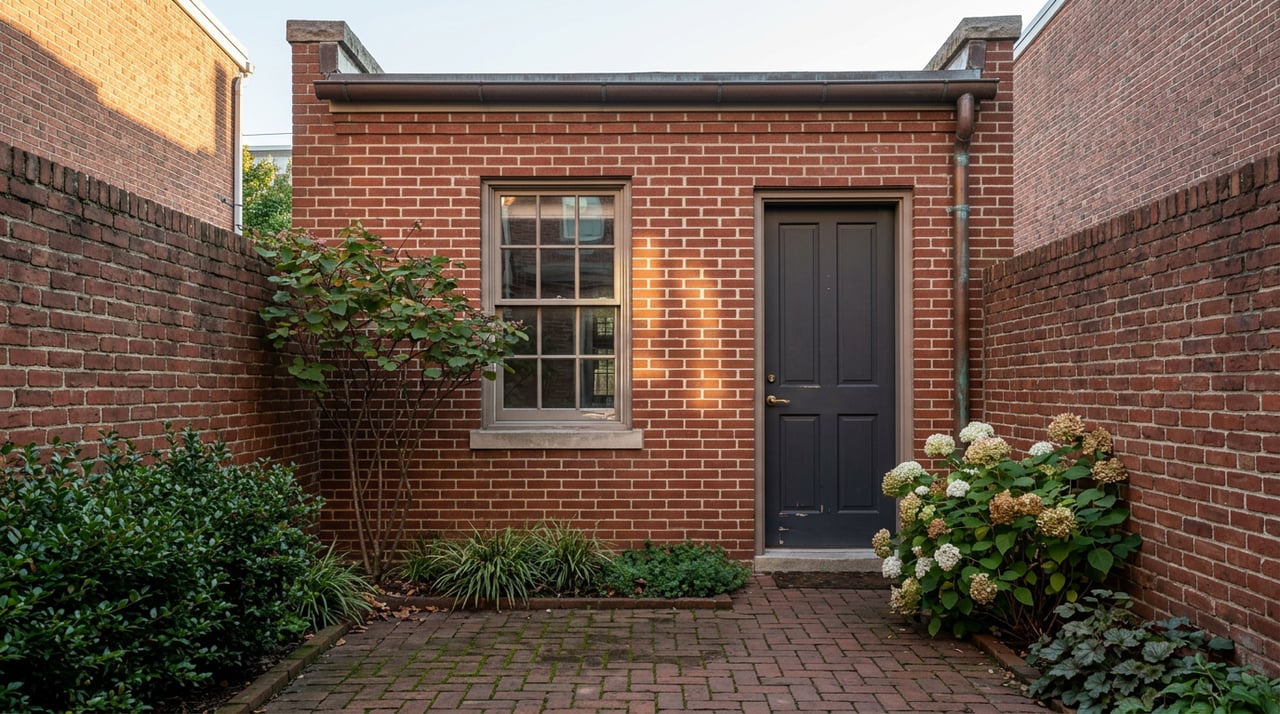
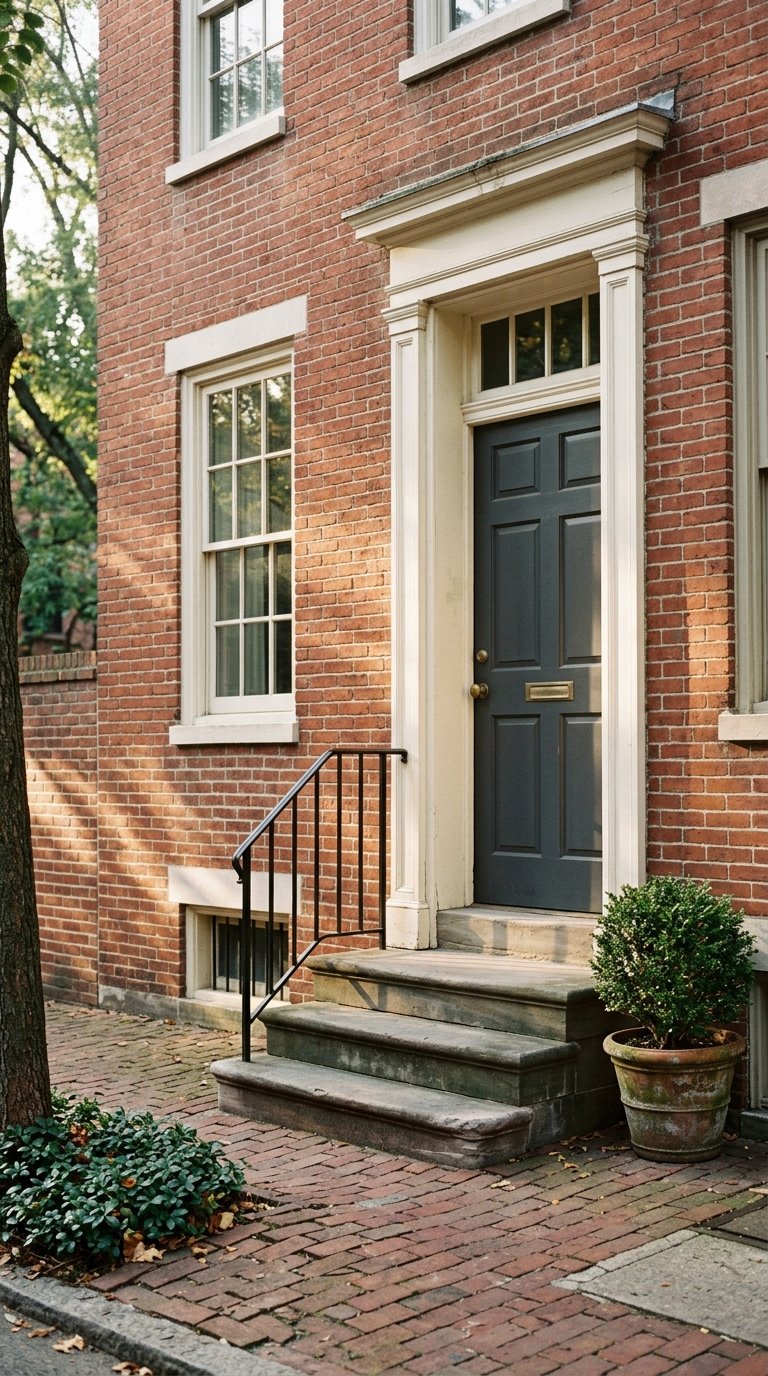
Canton’s older rowhouses often have shared walls, small footprints, and limited attic access. That means you get the most value by sealing the biggest leakage paths and insulating where it counts. Work that respects historic features is available for window and exterior constraints.
Start with these quick fixes
- Accept all no-cost QHEC installs, especially LEDs, aerators, and showerheads.
- Add basic weatherstripping and foam gaskets where the advisor identifies leaks.
- Use thermostat programming to match your schedule and prevent waste.
Target attic and rim joists
- Focus on attic air sealing at top plates and the attic hatch. Even in small attics, this usually delivers strong comfort gains.
- Seal and insulate rim joists and gaps at the basement and top floor, where stack-effect leaks are common.
- If you have ducts in unconditioned spaces, seal and insulate them to cut losses.
Heat and hot water tune-ups
- Evaluate the age and efficiency of boilers or furnaces common in Baltimore rowhouses.
- Confirm proper venting and combustion safety. Testing ensures upgrades do not cause health or safety issues.
- Consider heat pump solutions only if your electrical service and building configuration support them.
Historic-friendly options
- If exterior window changes are limited, focus on interior storm windows, sash weatherstripping, and careful interior-side air sealing.
- Maintain exterior appearance while improving comfort with targeted interior insulation strategies.
What is free vs what is rebated
It helps to set expectations before you schedule visits.
- Free at QHEC: LED bulbs, faucet aerators, low-flow showerheads, small runs of pipe insulation, basic door weatherstripping, outlet gaskets, and simple thermostat support.
- Rebate-supported through HPwES: Whole-home air sealing, attic and wall insulation, HVAC replacements or heat pump installations, duct sealing, and ventilation or combustion fixes. You pay the remaining balance after incentives, and the contractor usually handles the paperwork.
How to get started in Canton
- Confirm you are a BGE residential customer and schedule a Quick Home Energy Check-up.
- Take the QHEC visit and accept all recommended no-cost installs. Save the report.
- If deeper work is flagged, request referrals to participating HPwES contractors or use a program list.
- Book a full home performance assessment that includes blower door and combustion safety testing.
- Review the proposed scope, projected savings, warranties, and how rebates will be applied.
- Get a written agreement that clearly shows total cost after incentives.
What to prepare for appointments
- Recent energy bills and your BGE account number.
- Notes on hot or cold rooms, drafts, or moisture issues.
- Photos or clear access to the attic hatch, basement, and mechanical spaces.
Questions to ask contractors
- Are you a participating HPwES contractor with BPI certification, and who performs the diagnostics?
- What tests will you complete, and will I receive pre and post reports?
- How will incentives be applied to my invoice, and what will I actually pay?
- How will you address combustion safety if I have an older boiler or furnace?
Common roadblocks and workarounds
- Limited attic access: Ask about targeted air sealing at top plates and the attic hatch, plus dense-pack options where feasible.
- Shared walls and tight lot lines: Focus on interior-side sealing and insulation that does not alter exteriors.
- Older wiring or potential asbestos: Build testing and remediation into scope and budget planning.
- Multi-unit or landlord coordination: Align work scopes across units where leaks connect spaces, and clarify cost-sharing early.
When upgrades pay off
You can feel improved comfort right away from sealing obvious leaks and adding insulation in the right places. Lighting and hot water updates deliver immediate, measurable reductions in everyday energy use. The biggest gains come from the whole-house approach supported by diagnostics, which verifies that your investment is working as intended.
If you are planning upgrades before you sell or after you buy in Canton, we can help you prioritize projects and timing. Reach out to the Baldwin & Griffin Group for local guidance aligned with your goals.
FAQs
What is BGE’s QHEC and is it really free?
- Yes. The Quick Home Energy Check-up is a no-cost walkthrough for BGE residential customers that includes basic on-the-spot installs and a short report of findings.
Which BGE rebates cover deeper Canton rowhouse upgrades?
- Deeper incentives are available through Home Performance with ENERGY STAR when you use a participating contractor for air sealing, insulation, HVAC, duct work, and related measures.
Do I need to replace historic windows to save energy?
- Not necessarily. Focus on interior storm windows, sash weatherstripping, and targeted air sealing that preserves the exterior appearance.
Why are blower door tests important for my project?
- Blower door testing quantifies air leakage before and after work so you can verify improvements and ensure ventilation and combustion safety are properly addressed.
Can I stack BGE incentives with state or federal benefits?
- Often yes. Many projects can combine BGE rebates with Maryland programs or federal tax credits, subject to current rules and documentation from your contractor.