Debating a Harbor East condo or a nearby Fells Point townhome for your next rental? Both can perform well, but the carrying costs, tenant profiles, and rules differ in ways that shape cash flow and risk. In this guide, you’ll compare the essentials investors weigh before buying and leave with a clear checklist to use on any property you tour. Let’s dive in.
Harbor East vs. Fells Point at a glance
Harbor East offers newer, high-density living close to downtown jobs. Many buildings feature concierge service, gyms, parking garages, and luxury finishes. This attracts professionals who value amenities and walkable access to restaurants and offices.
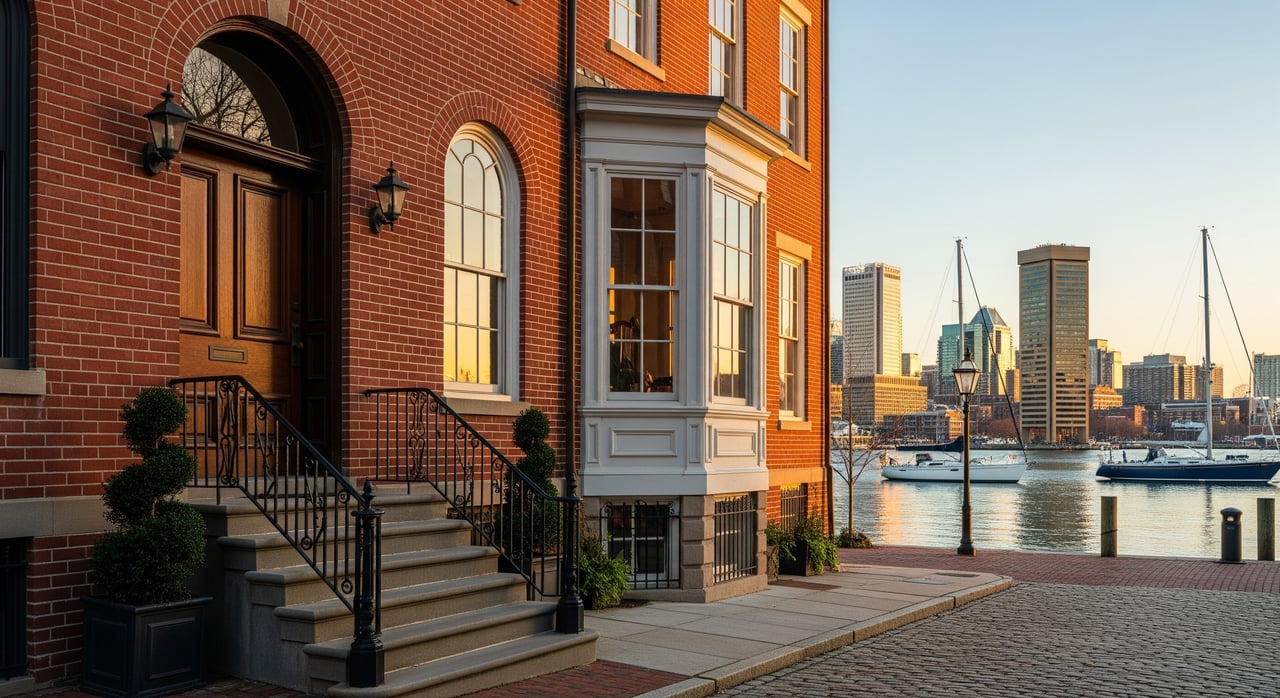
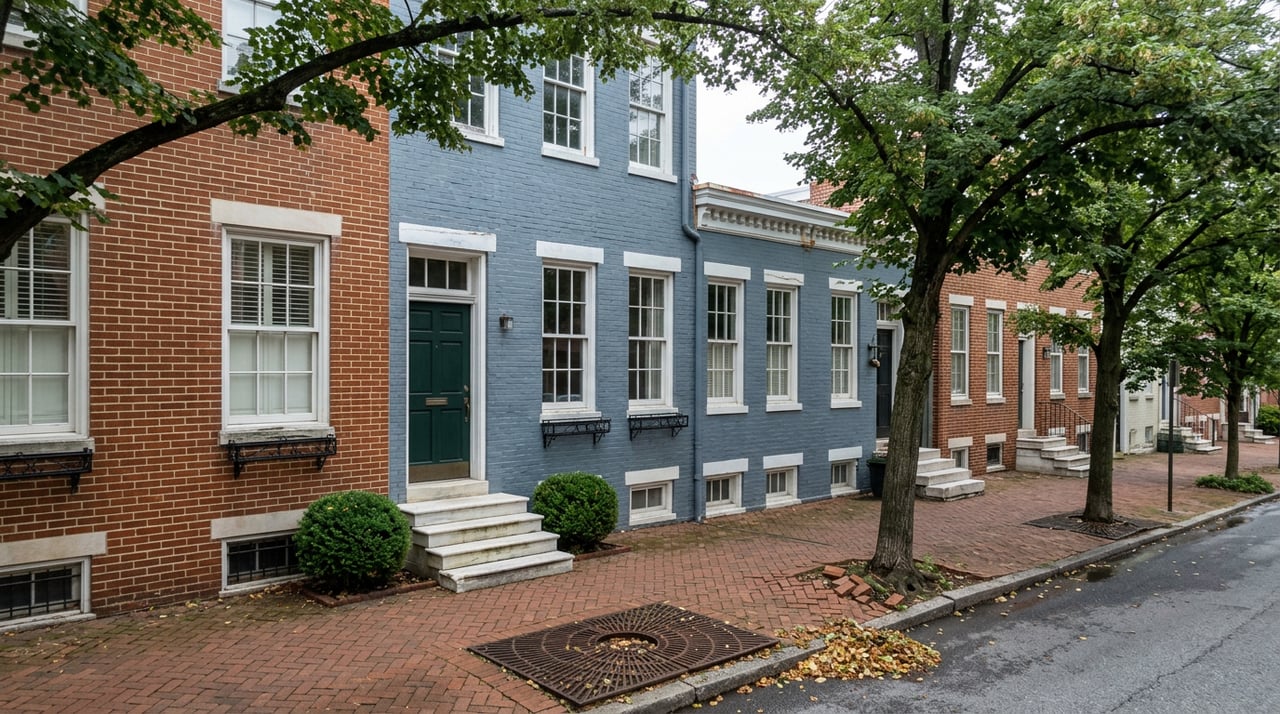
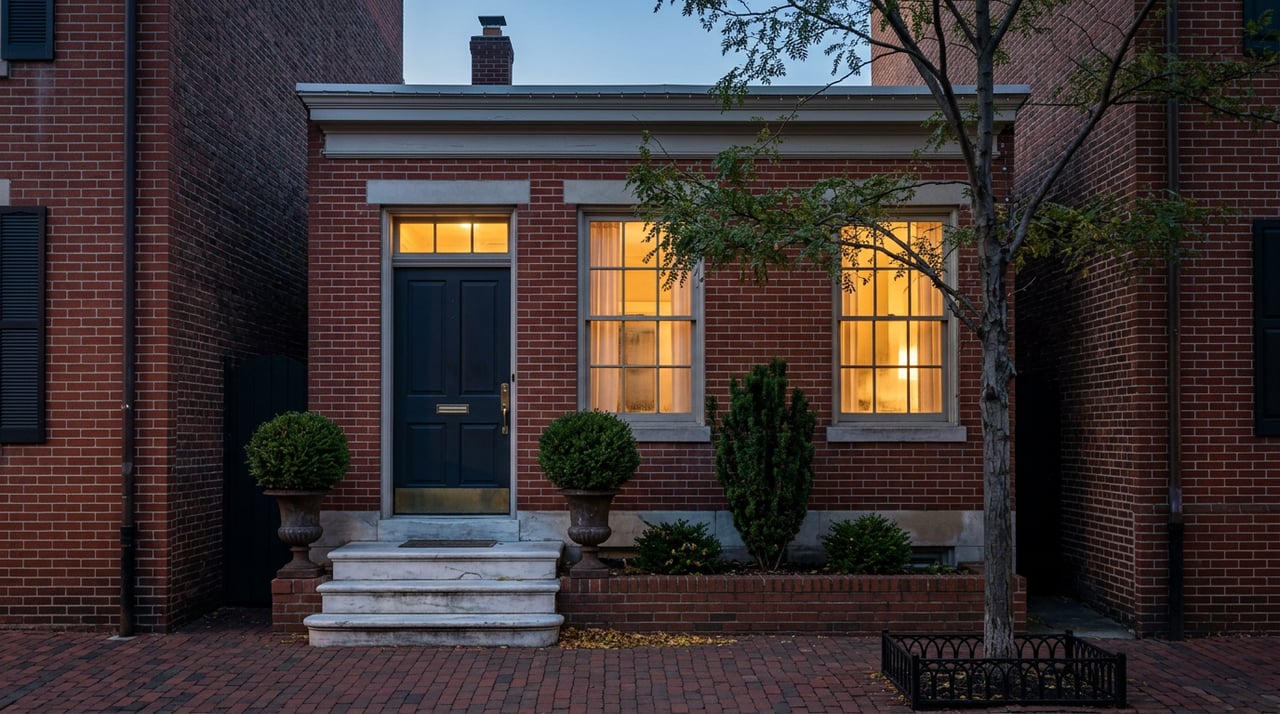
Fells Point is a historic, waterfront neighborhood with older rowhomes and townhouses. Properties often have multi-level layouts, character features, and outdoor spaces like small yards or rooftop decks. The tenant pool includes professionals, service and hospitality workers, graduate students, and small households who want neighborhood charm.
Both areas sit in Baltimore City with strong access to employment centers like Johns Hopkins and the University of Maryland Baltimore. Walkability, local shuttles and water taxi options, plus bus and light rail access help support renter demand without a car.
Housing types and what they mean for investors
Harbor East condos typically have one to two bedrooms with smaller square footage and higher price per square foot. Owners pay monthly condo fees that fund building insurance, reserves, and amenities.
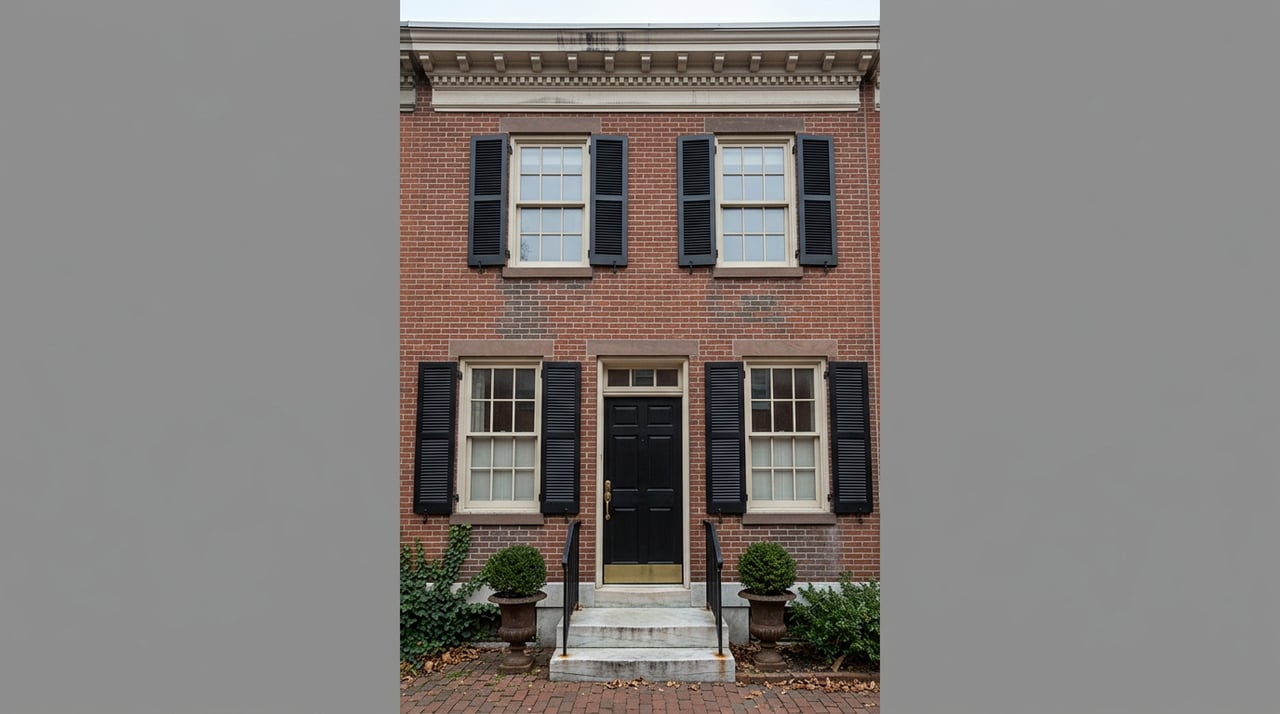
Fells Point townhomes are older rowhouses with more space and private entrances. They usually have no shared amenities. You take on more maintenance responsibility for roofs, exteriors, and systems.
Supply also differs. Harbor East continues to see condo development and conversions, while Fells Point has a more limited pipeline of historic rowhomes. That scarcity can support rent premiums for unique, well-preserved properties.
Cost comparison: what drives cash flow
Purchase price and financing
Luxury condos often sell at higher price per square foot than older townhomes, but totals vary by unit size and building. Lenders may underwrite condo loans more conservatively if a building has high investor concentration, delinquencies, or lacks agency approvals. Townhomes usually qualify more readily for standard loans.
If you plan to house hack with lower down payment programs, note that condo projects must meet specific approvals. Townhomes typically do not face project-approval hurdles.
Monthly carrying costs to model
Build a side-by-side for each property you are considering:
- Property taxes in Baltimore City based on assessed value. Confirm the jurisdiction and current bill using official tax portals.
- HOA/condo fees and what they include. Review budgets, reserves, and any history of special assessments.
- Insurance. Condos rely on a building master policy, while you insure interior improvements. Townhomes require full structure coverage.
- Maintenance. Condos shift exterior and common-area upkeep to the association, but special assessments can arise. Townhomes place exterior and systems upkeep on you and may require higher capital reserves in older buildings.
- Utilities. Verify which utilities are tenant-paid. Some condo fees include certain utilities.
- Vacancy and turnover costs. Townhomes that draw longer-term tenants may turn over less often than smaller condos that serve more transient needs.
Returns framework you can reuse
Evaluate each property with a consistent model:
- Cap rate and gross rent multiplier using current market rents and true operating expenses.
- Net cash flow after debt service, including taxes, insurance, HOA, and a maintenance reserve.
- Break-even rent and how much cushion you have if HOA fees rise or maintenance spikes.
- Sensitivity tests that flex rent, occupancy, interest rates, and HOA fees to find stress points.
Tenant demand and leasing dynamics
Who rents each type and for how long
Harbor East condos tend to attract professionals seeking amenity-rich, turnkey living. Leases often run 6 to 12 months, and furnished options can appeal to some renters.
Fells Point townhomes often attract tenants who want more space and a neighborhood feel. Lease terms are commonly 12 months or longer. Historic character can command interest, though some renters prefer newer systems and finishes.
Seasonal and tourist activity can influence demand in both areas, but short-term rentals require more management and must follow local rules.
What to check in rent comps
Pull rentals within a 0.5 to 1-mile radius and within the same property type. Make apples-to-apples comparisons on:
- Square footage and bed/bath count
- Furnished vs. unfurnished
- Parking availability and cost
- Utilities included
- Days on market for similar listings
Operations and day-to-day management
Amenities shape expectations. Condos with concierge and shared spaces can require firmer rule enforcement and consistent service to keep tenants happy. Professional management may be suitable depending on your bandwidth.
Maintenance differs by asset. Older townhomes can require more hands-on attention, especially for roofs, masonry, plumbing, wiring, and HVAC. Budget for capital items. Condos centralize many big-ticket components, but association health matters since deferred projects can trigger special assessments.
Parking is valuable in the urban core. Condos with included or reserved parking can justify higher rents. Townhomes with convenient parking access also gain appeal.
Furnished units can rent faster in amenity buildings, but they add complexity and wear. Balance speed-to-lease with turnover costs.
Legal and due diligence essentials in Baltimore City
For condos and HOAs
- Review the current budget, balance sheet, income statement, and reserve study.
- Check for planned capital projects and any special assessments.
- Note the owner-occupancy rate, investor concentration, and HOA delinquency levels.
- Read bylaws and declarations for rental limits, minimum lease terms, pet policies, and short-term rental rules.
- Confirm master insurance coverage and deductibles so you size your policy correctly.
For townhomes and rowhouses
- Order a thorough inspection focused on structural items, masonry, plumbing, electrical, lead paint, and HVAC.
- Verify if the property lies in a historic district that requires approval for exterior changes.
- Evaluate flood exposure and any history of water intrusion, particularly near the waterfront or low-lying blocks.
Licensing, zoning, and short-term rentals
Baltimore City requires landlord registration, rental licensing, and inspections for rental properties. Short-term rentals have specific licensing and limits. Confirm current ordinances and any HOA restrictions before you buy.
Taxes, incentives, and insurance
- Verify the current tax bill and whether reassessment may change your holding costs.
- Explore any city or state rehab incentives or historic tax credits that could affect your budget or tax treatment.
- Obtain landlord insurance quotes for both condos and townhomes, and check flood insurance requirements using official flood maps.
Strategy fit: which is right for you
- House hack owner-occupant: Townhomes can be simpler to finance and modify for space. Condos can work if the building meets program approvals and rental policies align with your plan.
- Long-term, lower-touch rental: Condos in financially sound buildings with desirable amenities can reduce direct maintenance while staying attractive to professionals.
- Value-add play: Townhomes often offer clearer renovation upside, like modernizing kitchens and baths or optimizing layouts. Condos typically have less flexibility due to building rules.
- Exit considerations: Harbor East condos in desirable buildings may resell quickly to both investors and owner-occupants. Unique historic townhomes can attract strong interest but may take longer to find the right buyer.
One-page comparison checklist
Use this worksheet for every candidate property:
- Address, unit type, and building name
- Confirm jurisdiction is Baltimore City
- Purchase price and comparable sales
- Expected rent based on true comps
- HOA or condo fees and what they include
- Annual property tax bill
- Insurance estimate and required coverages
- Deferred capital needs from documents or inspection
- Parking availability and monthly cost
- Financing notes, including any condo project approval requirements
- Vacancy allowance and typical lease length for that unit type
- Estimated net cash flow and cap rate before and after financing
- Management plan and estimated fee if applicable
- Historic district or short-term rental restrictions
- Potential upside through rent growth or improvements
How we can help you move forward
You want clear numbers and fewer surprises. Our team pairs local, neighborhood-level insight with a client-first, boutique approach so you make confident decisions. Whether you are weighing a Harbor East condo or a Fells Point townhome, we help you evaluate carrying costs, rules, and exit paths so your plan matches the asset.
When it is time to sell or reposition, our marketing-first approach and Compass platform tools, including Private Exclusives and Concierge for qualified projects, are designed to maximize presentation and reduce friction. If you are ready to compare options or want eyes on a specific listing, connect with The Baldwin & Griffin Group of Compass.
FAQs
Is Fells Point and Harbor East in Baltimore City or County?
- Both neighborhoods are in Baltimore City. Confirm this on your tax and licensing checks since city and county rules differ.
Do condos in Harbor East usually have higher HOA fees?
- Many do because fees support amenities, building insurance, reserves, and staff. Always review the budget, reserves, and history of assessments by building.
Can I use FHA or VA to house hack a condo in Harbor East?
- Possibly, if the condominium project meets program approvals and the building’s rental policies allow it. Verify project status and rules early in your process.
Are short-term rentals allowed in these neighborhoods?
- Baltimore City regulates short-term rentals and requires specific licensing. HOA documents may also set limits or minimum lease lengths. Confirm both before buying.
Which tends to have longer leases: condos or townhomes?
- Townhomes often draw tenants who sign 12-month or longer leases, while smaller condos can see shorter terms. Always verify with local comps for your specific unit type.
Do I need flood insurance near the waterfront?
- It depends on the property’s location and flood zone. Check official flood maps and lender requirements and obtain insurance quotes during due diligence.