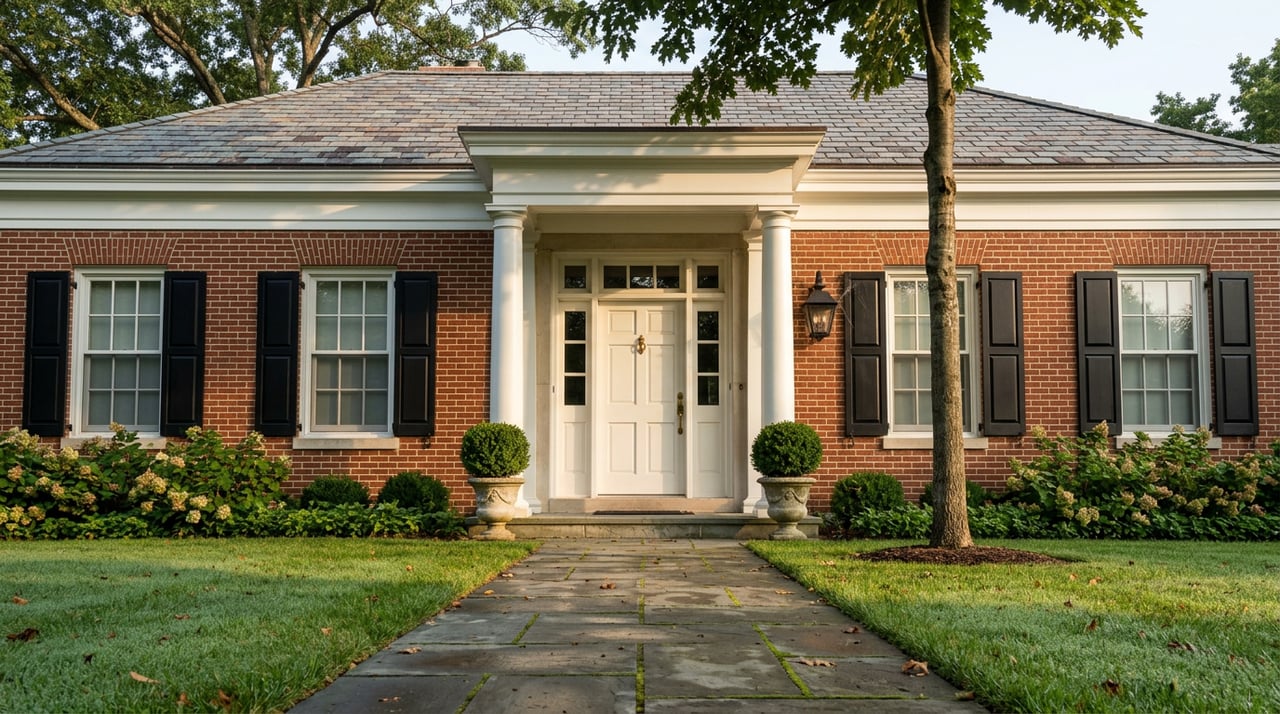
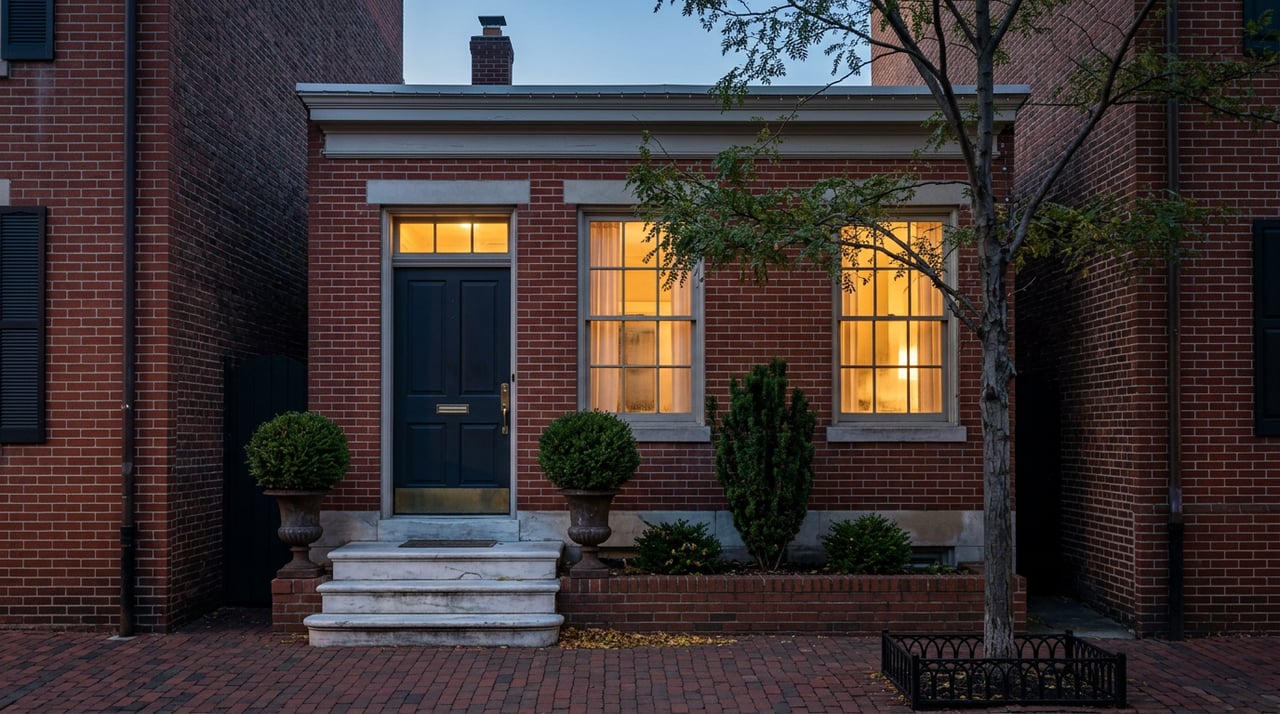
Are you deciding between a classic Baltimore rowhome and a low-maintenance condo in South Baltimore? It is a big choice, especially in Federal Hill and Locust Point where options range from 19th‑century brick homes to modern waterfront buildings. You want the right mix of space, costs, parking, and future resale. This guide breaks down how each option fits daily life, what to expect for fees and maintenance, and what to check before you buy. Let’s dive in.
South Baltimore at a glance
Federal Hill and Locust Point sit within Baltimore City, not Baltimore County. That affects how property taxes are billed, how permits work, and which local rules apply. Both neighborhoods are known for walkable streets, easy access to downtown, and nearby parks and waterfront paths.
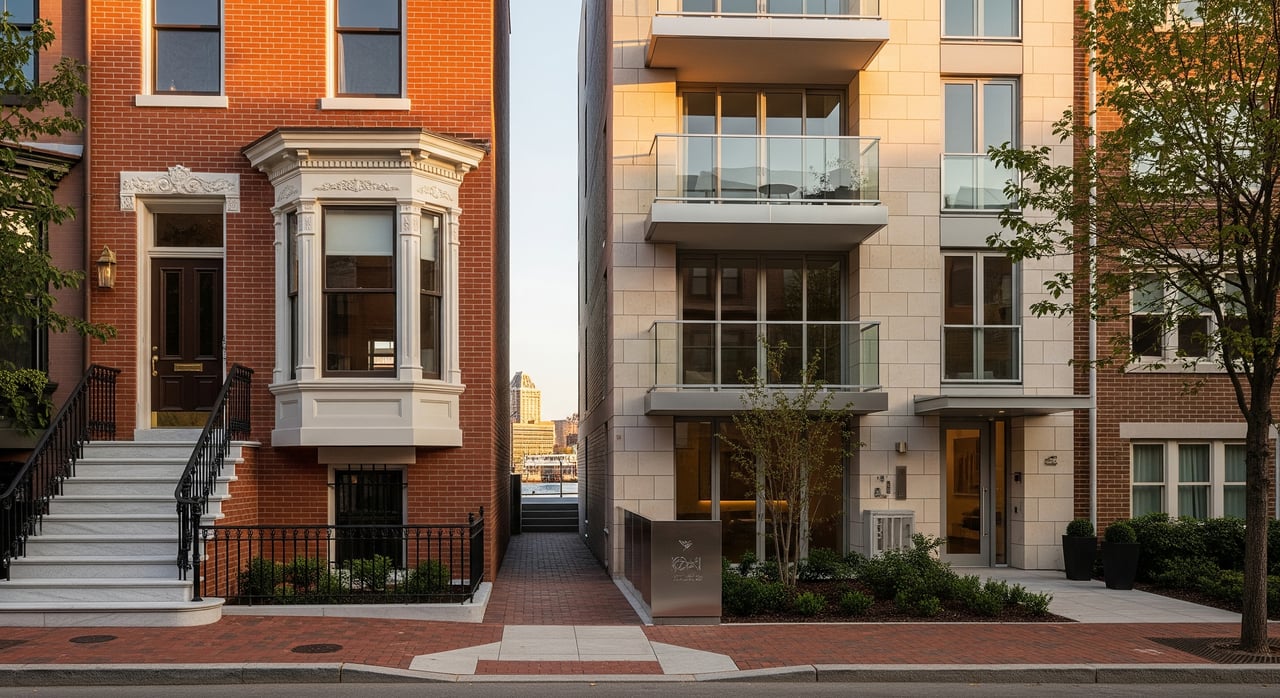
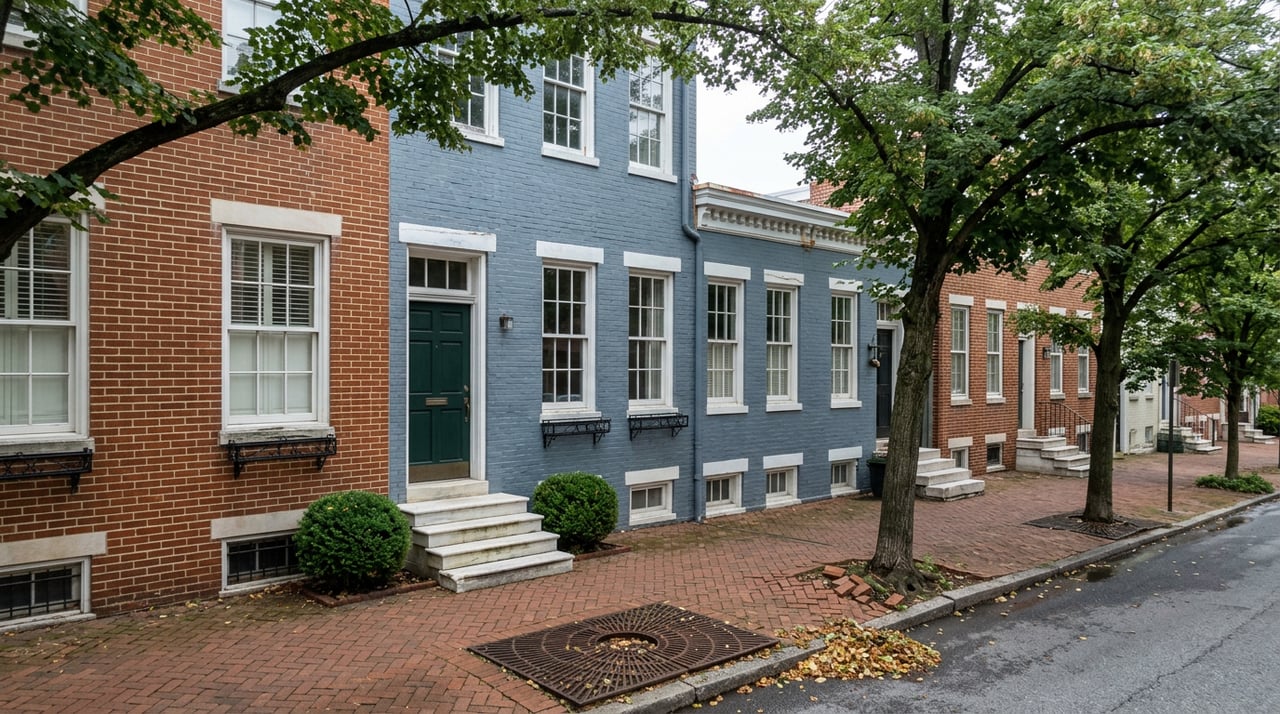
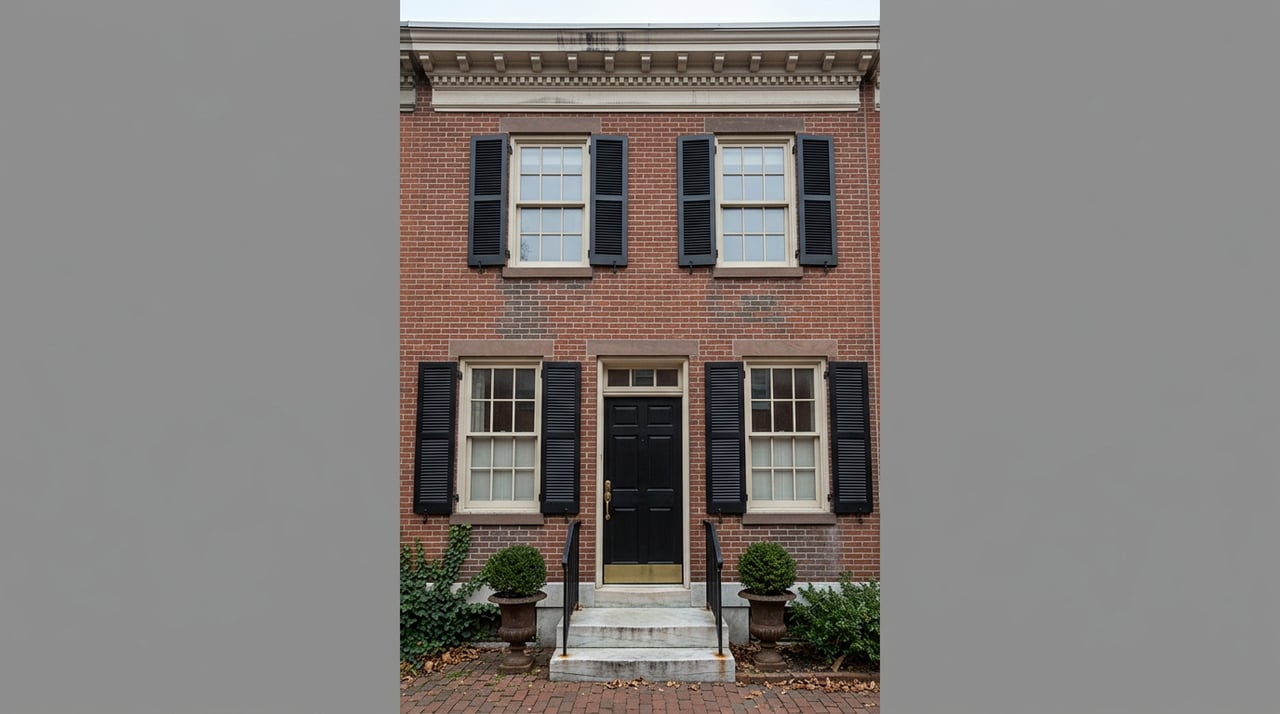
- Federal Hill features historic brick rowhouses, narrow lot widths, and access to Federal Hill Park with harbor views.
- Locust Point offers a quieter waterfront feel with a mix of older rowhomes and newer infill near McHenry Row and Fort McHenry.
- Proximity to parks can help offset limited private yard space. Properties close to the water may sit in flood zones, which can affect insurance.
Rowhome vs condo: key differences
Ownership and financing basics
- Rowhome: You typically own the building and the land (fee simple). In Baltimore, some older properties may have historical ground rent recorded in title. Plan a careful title exam and, if needed, legal review during due diligence.
- Condo: You own your individual unit and share common areas through a condominium association. You should review the condo documents, budget, reserve fund, rules, and any recent or planned special assessments. If you plan to use FHA financing, confirm whether the building is approved by checking the HUD FHA condo lookup.
Space and layout expectations
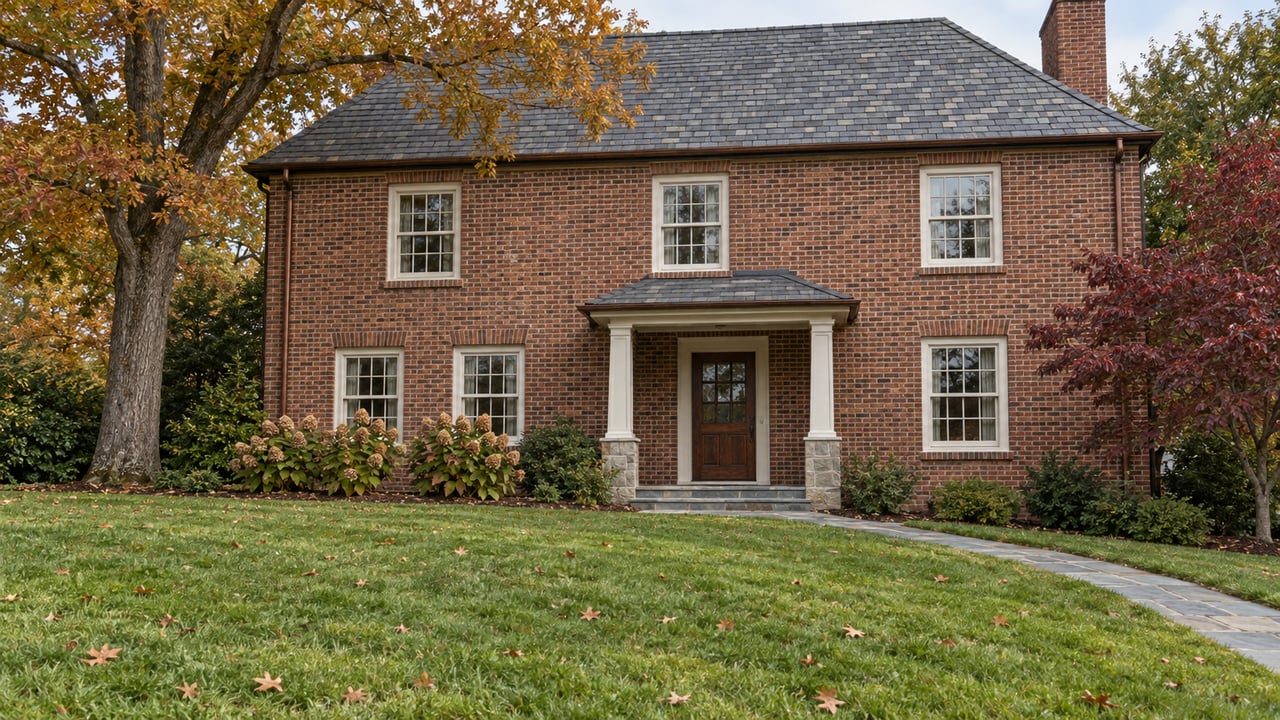
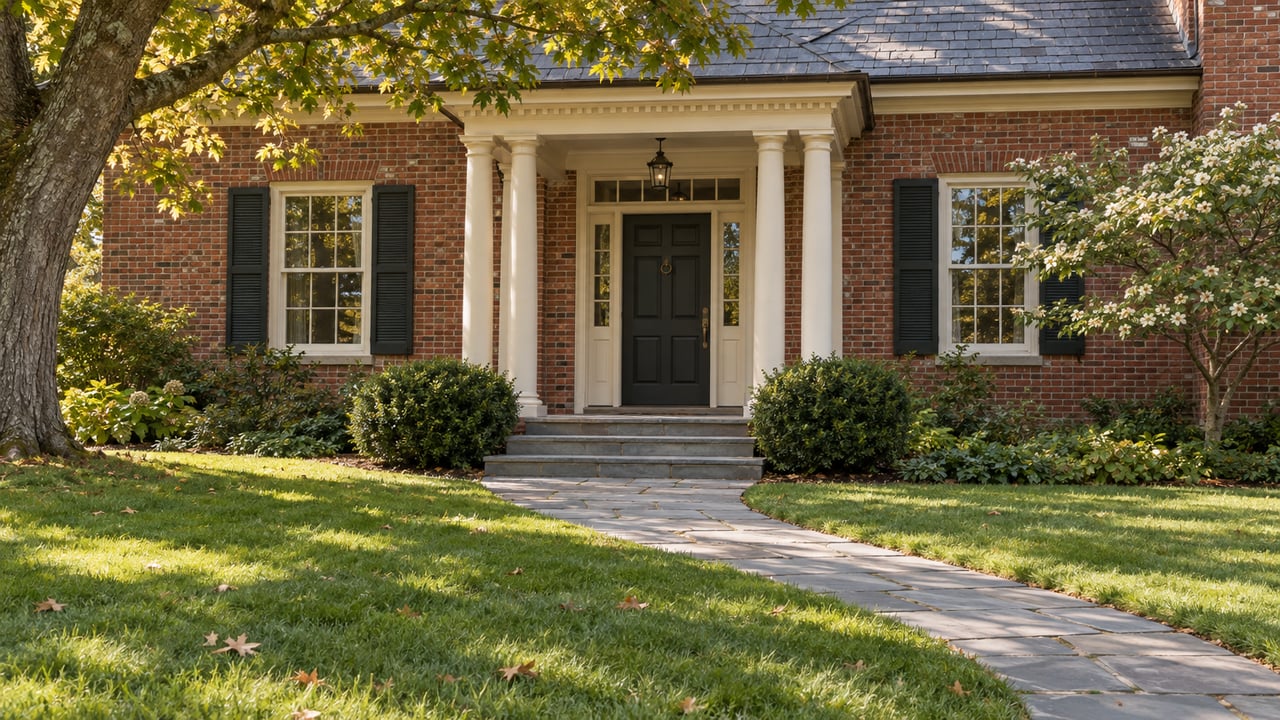
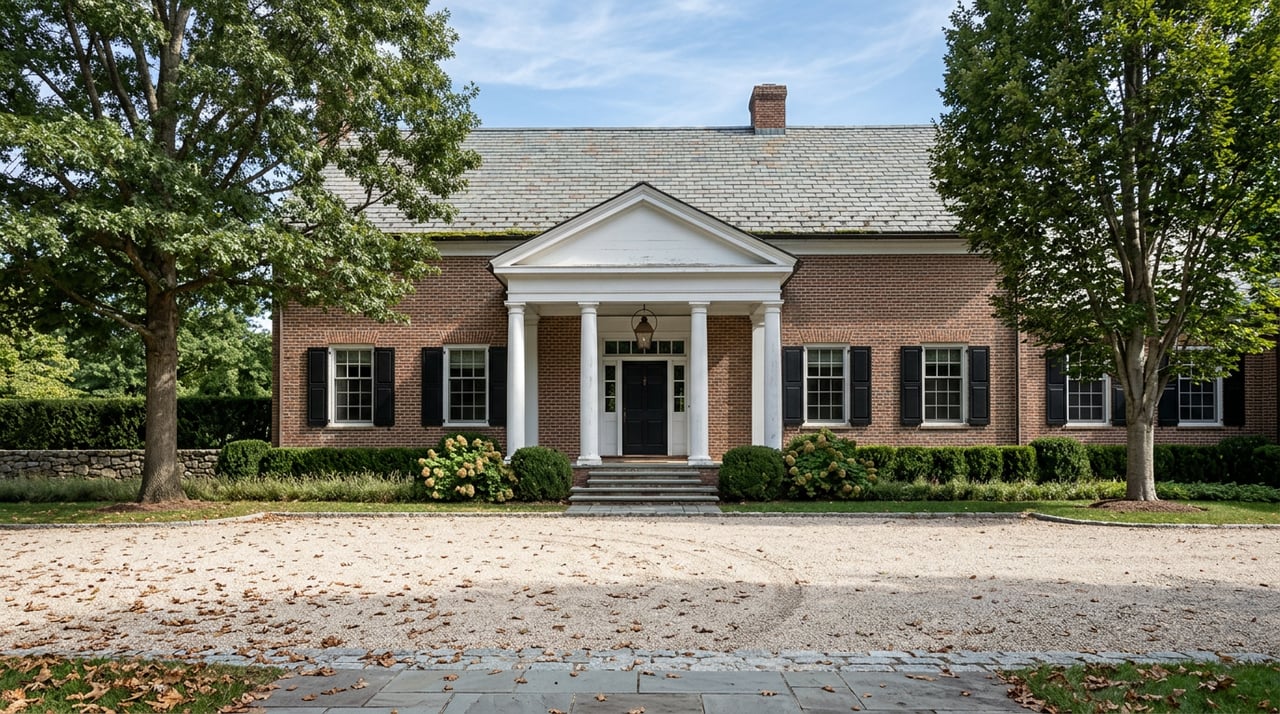
- Rowhome: Expect multiple levels, stacked living areas, and bedrooms above. Sizes often range from about 1,000 square feet in modest homes to 1,500–2,200 plus in renovated or expanded properties. Many have basements and small rear yards.
- Condo: Layouts vary from studios to two-bedroom units and beyond. Many one-bedroom units range roughly 400–900 square feet, and two-bedroom units can reach 800–1,400 plus. Open plans are common. Some buildings offer townhouse-style condos that feel closer to a rowhome footprint.
Maintenance and monthly costs
- Rowhome: You handle all maintenance for interior and exterior, including roof, structure, systems, and yard. Most traditional rowhomes do not have mandatory HOA fees.
- Condo: Monthly fees support building insurance, common area care, snow removal, landscaping, and reserves for big projects. Fees depend on building size, age, and amenities. Fees can change, and special assessments may occur, so read the budget and reserve study when available.
Parking and transportation
Street parking is common in both neighborhoods. Federal Hill can be busy on evenings and weekends. Parts of South Baltimore use Residential Permit Parking zones. You can review current rules and zone maps on the city’s Residential Permit Parking page.
- Rowhome: Some homes include a rear parking pad or garage off an alley. Others rely on street parking.
- Condo: Many buildings offer assigned or deeded parking in garages or lots. In some cases, spaces are leased or sold separately.
Outdoor space and amenities
- Rowhome: You may get a stoop, small rear yard or patio, and sometimes a rooftop deck. All spaces are yours to maintain.
- Condo: Expect balconies or patios, plus shared amenities like rooftop decks, terraces, courtyards, or fitness rooms depending on the building. You trade less private yard care for shared, maintained spaces.
Remodeling and permits
Federal Hill includes a historic district where exterior changes like windows, masonry, or rooflines may require review by the Baltimore City preservation commission. You can read process guidance through the Commission for Historical and Architectural Preservation.
Across both neighborhoods, renovations such as rear additions, rooftop decks, and basement conversions require city permits. Start with Baltimore City’s permitting resources through the Department of Housing and Community Development permits page.
Insurance, taxes, and assessments
- Rowhome: You will carry a homeowners policy that covers the structure and contents. Older homes and party wall conditions can affect underwriting and premiums.
- Condo: The association carries a master policy for common elements. You carry an HO‑6 policy for your unit’s interior and contents. Compare master policy coverage and deductibles when you review documents.
- Property tax: Taxes are administered by Baltimore City for Federal Hill and Locust Point. You can view parcel-level data using the city’s Real Property search.
- Flood risk: Properties near the waterfront may be in FEMA-designated flood zones. You can check a property’s flood zone through the FEMA Flood Map Service Center. Flood insurance, if required, will affect your total monthly cost.
Resale considerations
- Rowhome: Private entry, flexible layouts, and historic character often appeal to a broad buyer pool. Renovated homes with modern systems and outdoor upgrades can command a premium. Condition and thoughtful updates matter.
- Condo: Low maintenance and amenities attract first-time buyers, downsizers, and anyone who values convenience. Resale values are closely tied to the association’s financial health, reserve levels, and owner-occupancy ratios.
Which option fits your lifestyle
Choose a rowhome if you want a private entrance, multiple levels, and the possibility to expand or add a deck, subject to permits and historic rules. You will handle your own maintenance, but you also control the pace and quality of improvements.
Choose a condo if you prefer simpler upkeep, on-site amenities, and predictable building maintenance. You will pay monthly fees and follow community rules, but you gain convenience and shared spaces.
In both Federal Hill and Locust Point, walkability is strong. Block-to-block differences in parking, noise, and traffic are common, so tour during different times of day and check parking rules and building policies.
Quick comparison checklist
- Ownership: Fee simple for most rowhomes. Shared ownership structure for condos.
- Monthly costs: No HOA for most rowhomes, but you handle all repairs. Condos have monthly fees that cover common areas and the master insurance policy.
- Space: Rowhomes often offer more square footage across multiple levels. Condos offer efficient layouts with shared amenities.
- Parking: Rowhomes may have rear pads or garages. Many condos include assigned or deeded spaces.
- Permits and remodeling: Federal Hill exterior changes may need CHAP review. All major projects require city permits.
- Insurance and flood: Rowhomes need full homeowners coverage. Condos need HO‑6 coverage. Check FEMA maps for flood zones near the waterfront.
- Resale: Rowhomes can attract a wide buyer pool, especially when updated. Condos depend on association health and rules.
What to check before you buy
Use this buyer-focused checklist for Federal Hill and Locust Point:
- Confirm jurisdiction and property type. These neighborhoods are in Baltimore City. Verify whether the home is fee simple, leasehold, or subject to ground rent through your title company.
- Review title and legal items. Ask your title team to check ground rent, easements, liens, and any deed restrictions.
- For condos, request documents early. Review the bylaws, rules, budget, reserve study if available, insurance declarations, litigation disclosures, owner-occupancy ratios, and any planned assessments.
- Confirm financing fit. If using FHA for a condo, confirm building eligibility through the HUD FHA condo lookup. Check your lender’s requirements for other loan types as well.
- Schedule thorough inspections. Older rowhomes may have outdated wiring, plumbing, or HVAC. Look for signs of water intrusion, especially in basements.
- Understand permit pathways. If you plan exterior changes in Federal Hill, consult CHAP guidance. For permits citywide, use the DHCD permits page.
- Check flood zones and insurance. Use the FEMA Flood Map Service Center and obtain quotes if the property is in or near a flood zone.
- Verify parking and access. Review block-specific rules on the city’s Residential Permit Parking page. Confirm any deeded or assigned spaces.
- Confirm taxes and assessments. Look up parcel data via the city’s Real Property search. Ask about recent or pending city assessments or condo capital projects.
- Plan for closing steps. Confirm insurance, ensure condo documents are delivered if applicable, and complete a final walkthrough to verify repairs and condition.
Working with a local advisor
South Baltimore’s mix of historic guidelines, flood considerations, parking rules, and condo association nuances rewards careful planning. A local team can help you compare true monthly costs, review condo budgets, flag ground rent issues in title, and navigate permits for decks or additions.
When you are ready, connect with The Baldwin & Griffin Group of Compass. Our team pairs neighborhood expertise with Compass tools like Concierge and Private Exclusives to simplify your search, line up off-market options, and position your offer to win. Whether you choose a rowhome or a condo, we will help you buy confidently and plan the right next steps.
FAQs
What is the main difference between a rowhome and a condo in South Baltimore?
- A rowhome is typically fee-simple ownership of the building and land, while a condo is ownership of an individual unit plus shared common areas and rules set by the condo association.
How do condo fees in Federal Hill and Locust Point work?
- Monthly fees fund the master insurance policy, common area maintenance, services like snow removal and landscaping, and reserves for future repairs, and they can change over time.
Do I need flood insurance for a Locust Point or waterfront condo?
What is CHAP and how could it affect a Federal Hill renovation?
- CHAP is Baltimore City’s historic preservation commission; in Federal Hill, many exterior changes require review, so consult CHAP guidance before planning work.
How can I confirm if a condo is FHA-approved before making an offer?
- Search the building on the HUD FHA condo lookup and confirm eligibility with your lender, since approvals affect loan options.