South Baltimore Rowhome Renovation Costs, Credits, and Value
May 14, 2026
May 14, 2026
Thinking about renovating a South Baltimore rowhome? It is easy to get excited about a roof deck, a new kitchen, or a finished basement, but the smartest projects are not just about looks. In neighborhoods like Federal Hill and Locust Point, renovation value often comes from balancing character, permits, historic rules, and long-term resale or rental appeal. If you want to make confident decisions before you spend, this guide will walk you through costs, tax credits, and the upgrades that tend to matter most. Let’s dive in.
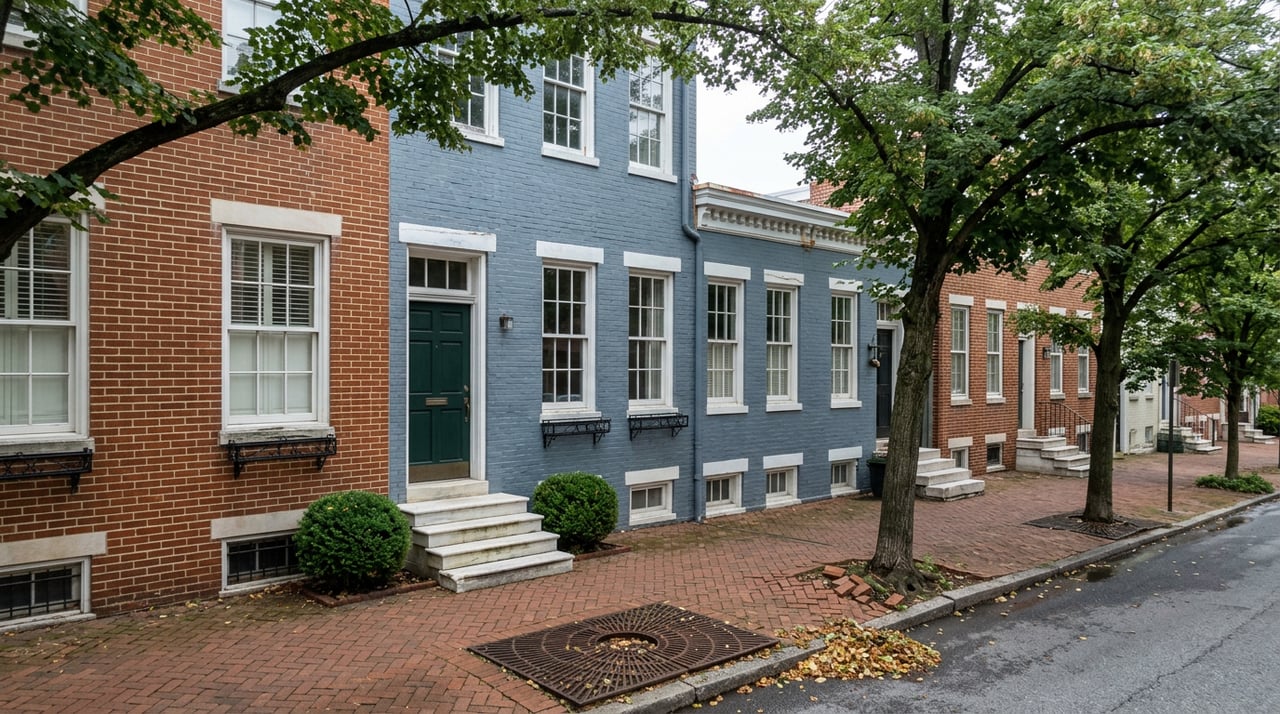
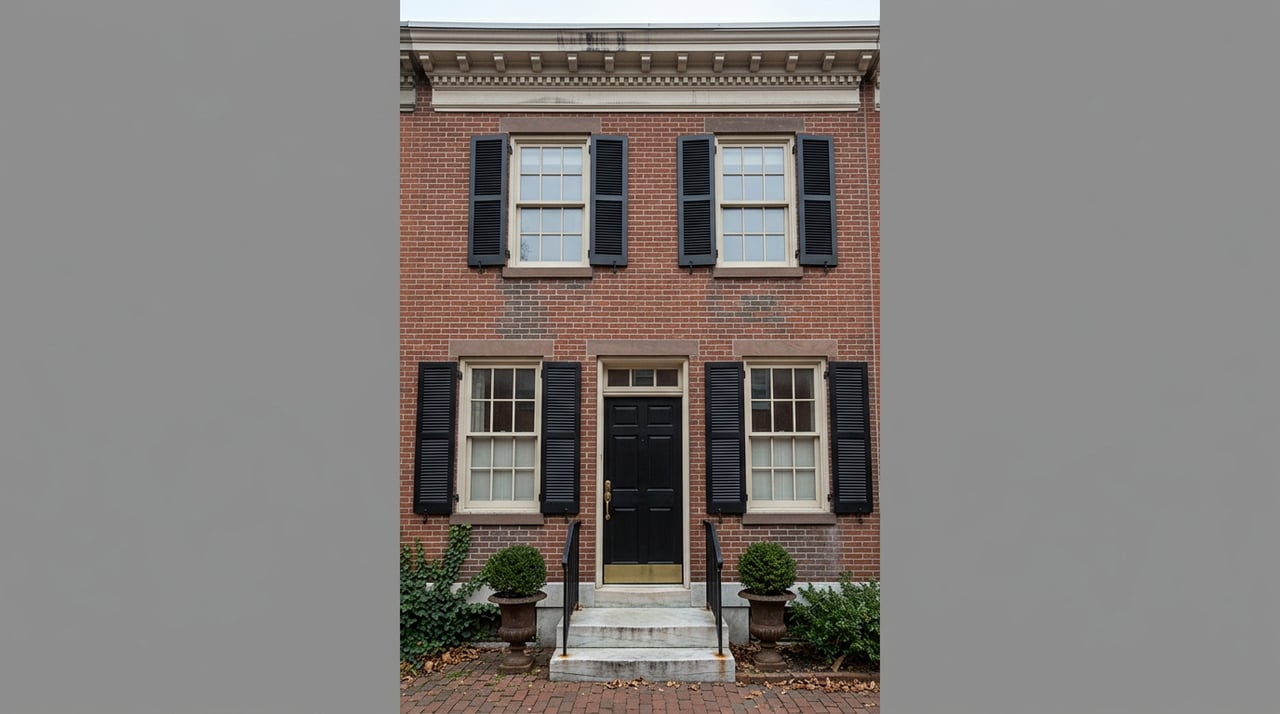
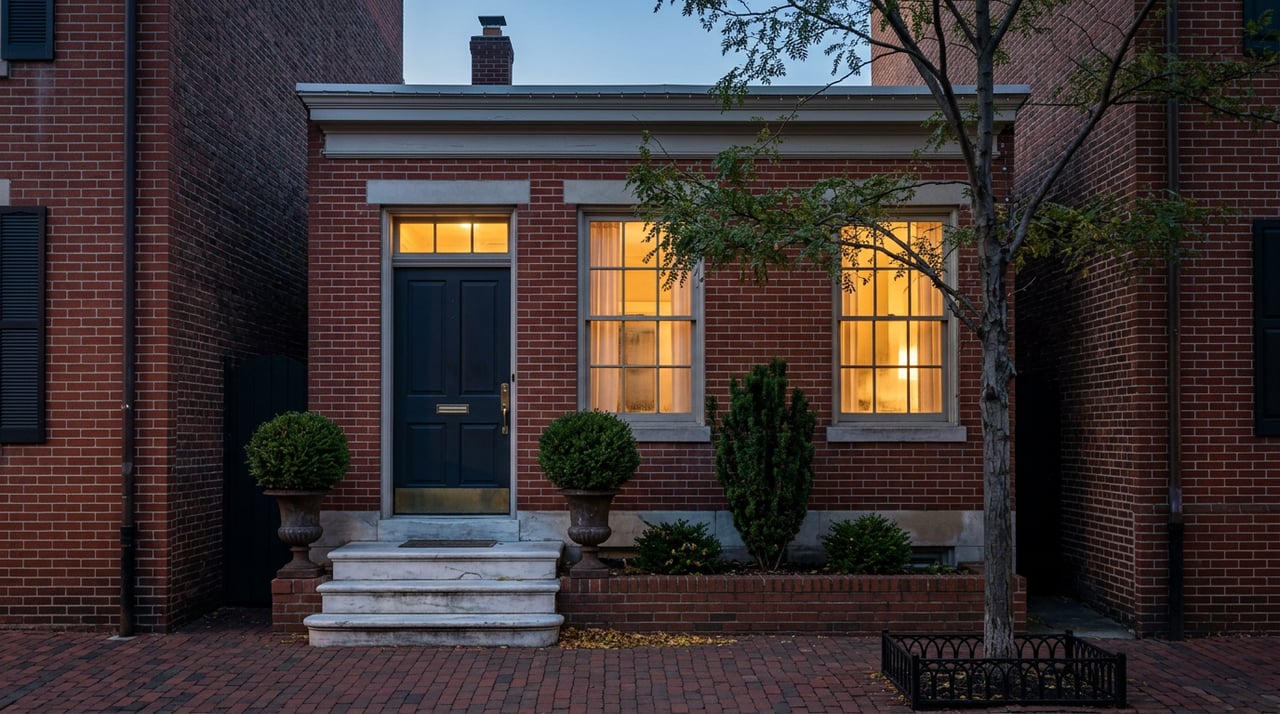
South Baltimore rowhomes have a distinct appeal. In Federal Hill South, brick rowhouses still define the historic streetscape, and in Locust Point, older rowhomes sit alongside newer development. That mix creates a market where thoughtful upgrades can stand out, but poorly planned work can create delays, added costs, or resale headaches.
The local numbers help explain why renovation choices matter. As of April 2026, Federal Hill–Montgomery had a median listing price of about $319,949, while Locust Point was around $570,000. Median rents were about $2,000 per month in Federal Hill–Montgomery and about $2,258 in Locust Point, which shows why both buyers and property owners pay attention to usable space, layout, and overall condition.
Federal Hill–Montgomery also carries a 96 out of 100 Walk Score, which reinforces something many local buyers already know. In this part of Baltimore, location, walkability, and functional outdoor space can carry real weight alongside interior finishes.
Renovation budgets in South Baltimore can vary quickly, especially in older homes where hidden issues are common. Framing, waterproofing, electrical updates, and access constraints can all push costs higher than a simple online estimate. Still, a few ballpark ranges can help you start planning.
A roof deck is one of the most recognizable South Baltimore upgrades. National estimates put rooftop decks at an average of about $11,250, with most projects falling between $10,000 and $18,600, or roughly $30 to $85 per square foot.
In a Baltimore rowhome, costs can lean toward the higher end. That is often because the project may require structural review, careful waterproofing, limited access for materials, and added design work if the property sits in a historic district.
A basement can be one of the most practical ways to add livable space. General basement finishing costs are often estimated at about $7 to $23 per square foot, or roughly $7,000 to $23,000 for a 1,000-square-foot basement.
That said, many rowhome basements need more than drywall and flooring. If waterproofing, plumbing, HVAC, or electrical work becomes part of the scope, a basement remodel or suite-style buildout can move into the $25,000 to $80,000 range.
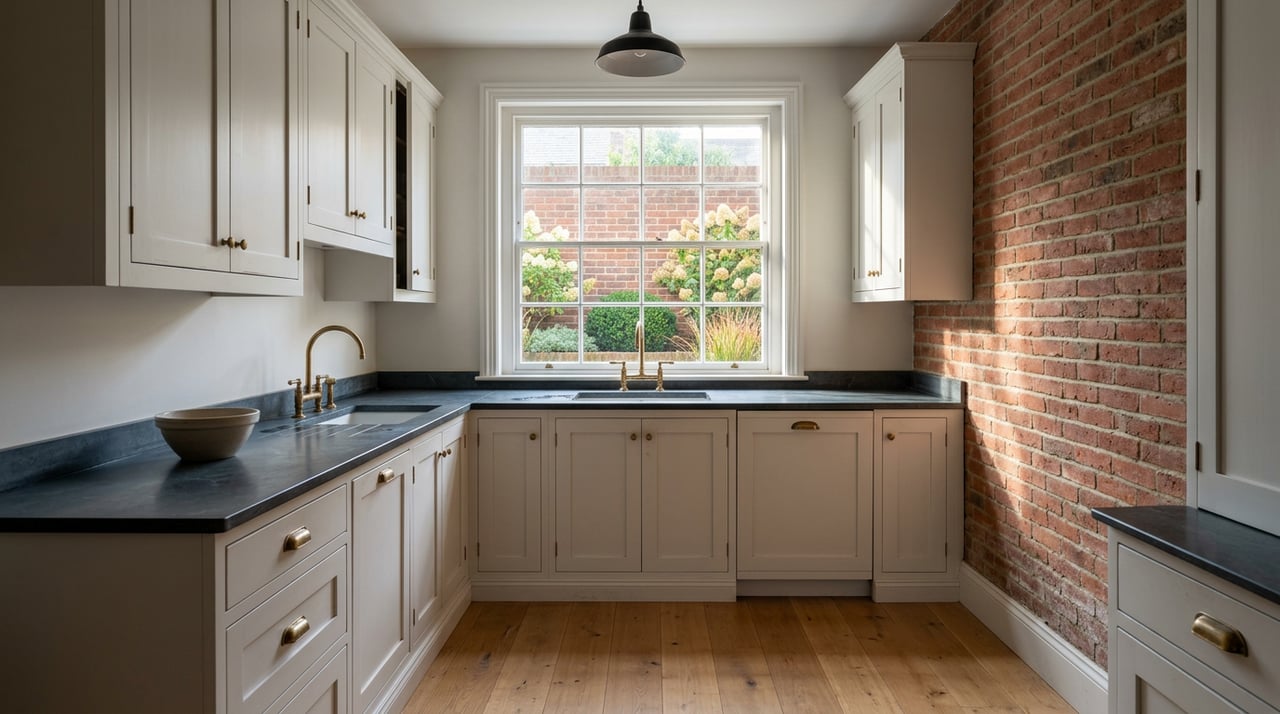
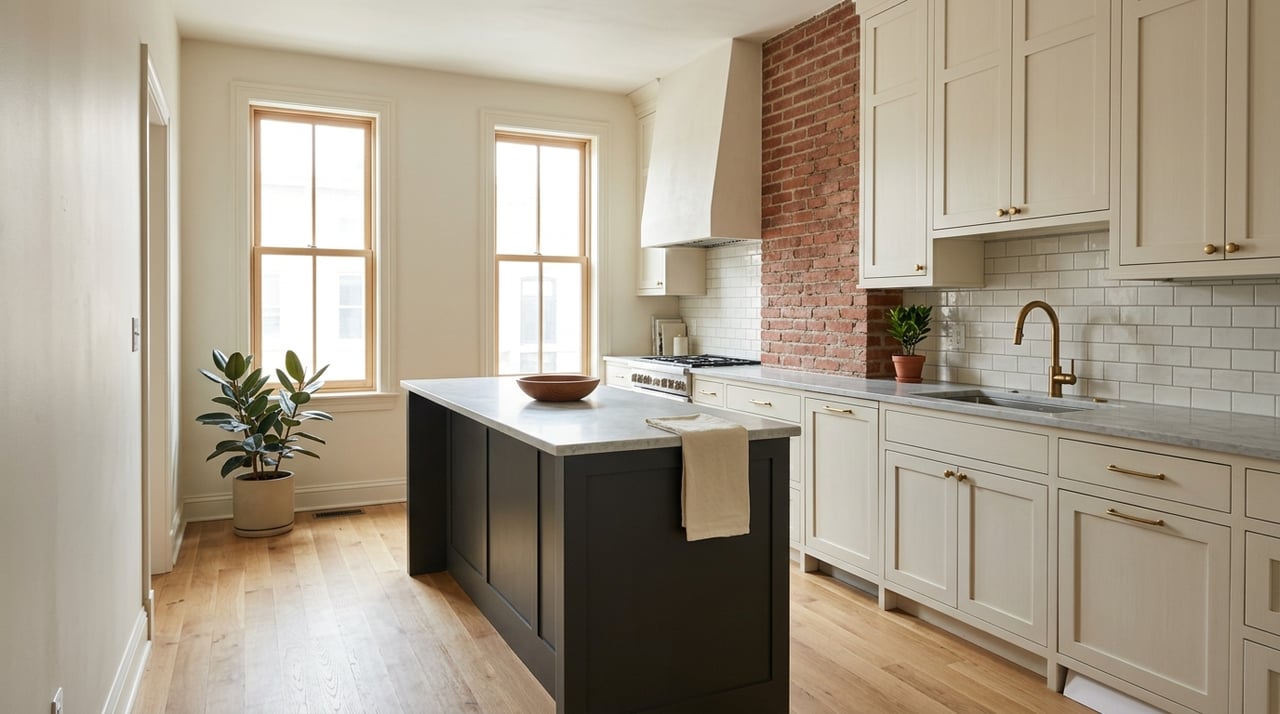
Kitchen projects usually fall into one of two categories: refresh or full remodel. A cosmetic update may focus on finishes and fixtures, while a deeper renovation can involve layout changes, plumbing moves, or electrical work.
Typical kitchen remodels are estimated at about $12,000 to $60,500, with an average near $27,000. Mid-range renovations often land between $22,000 and $46,000, but costs rise quickly when you start moving walls or reworking core systems.
In Baltimore City, permits are not a side issue. The city requires permits to construct, enlarge, alter, repair, rehabilitate, demolish, or move a structure, and also for electrical, gas, mechanical, or plumbing work.
For rowhome owners, that means many popular projects need approval. The city specifically lists rooftop decks, rear decks, removing an interior wall, and replacing pipes and sinks as permit work. By contrast, interior painting, cabinets, countertops, and similar finish work are generally exempt from a building permit.
Baltimore City also makes a practical point that matters at resale: permits help protect home value because they show future buyers the work was performed safely and correctly. If you renovate without the right approvals, you may save time upfront but create questions later when it is time to sell.
If your rowhome is in a CHAP historic district, exterior changes usually need another layer of review. In many cases, you must receive CHAP approval and an Authorization-To-Proceed before the city will issue the permit.
This is especially important in areas tied to historic rowhome character, like Federal Hill South. Even smaller exterior items that might not require a permit elsewhere, such as exterior painting, storm windows, or replacing roofing materials, can require one in a CHAP district.
Roof decks are one of the clearest examples of how design standards affect both cost and feasibility. Baltimore's design guidance says roof decks on rowhouses must be set back at least 8 feet from the front facade on flat roofs or 6 feet behind the ridge line on gabled roofs.
They also cannot be visible from the street at standing height across the street. The city guidance recommends rear access when possible, discourages rooftop pop-ups or doghouses on historically residential properties, and notes that building code limits roof-deck height to 2 feet above the roof plane with fencing capped at 42 inches.
In practical terms, this means a roof deck that sounds simple on paper may need meaningful design adjustments before it can move forward. That is one reason why early planning matters so much in South Baltimore.
For the right property and project, tax credits can materially improve the renovation math. South Baltimore owners should pay close attention to whether a home is historic and whether the planned work qualifies before construction begins.
Baltimore City's CHAP tax credit is available for qualifying historic properties, including contributing properties in National Register or local historic districts. To qualify, the work generally must involve significant improvements equal to at least 25% of the property's full cash value before the work starts, and CHAP must preliminarily approve the work before construction begins.
The benefit is a 10-year city property tax credit. It is also transferable to a new owner for the remaining life of the credit, and the city currently will not accept applications after December 31, 2027.
Maryland also offers a homeowner historic rehabilitation tax credit for owner-occupied historic homes. Eligible projects may receive a state income tax credit equal to 20% of qualified rehabilitation expenses, capped at $50,000 over a 24-month period, with a minimum of $5,000 in eligible expenses.
Examples of eligible work include roof repair or replacement, structural repairs, window and door restoration, mechanical, electrical, and plumbing work, and interior finish restoration. Landscaping, patios, parking areas, new construction or additions, appliances, and work that is primarily remodeling in nature typically do not qualify.
Homeowners may be able to combine the state credit with local historic tax credits if both programs' requirements are met. The state review is separate from local review, so each approval process needs its own attention.
If the rowhome will be income-producing rather than owner-occupied, the tax-credit picture changes. The federal Historic Preservation Tax Incentives program offers a 20% income tax credit for certified historic structures used for income-producing purposes, including rental residential use.
Owner-occupied residences do not qualify for that federal credit. For investors considering a South Baltimore rowhome as a future rental, this can be an important distinction early in the planning process.
In South Baltimore, the strongest renovation strategy is often not the flashiest one. Based on the city's permit guidance and the structure of local and state historic-credit programs, projects that improve livability, functionality, and major systems often make the strongest case for long-term value.
That usually points to three categories:
Purely cosmetic work can still help presentation, but practical improvements often do more to reduce buyer objections. In a competitive urban market, that can matter as much as the finishes themselves.
If you may sell after renovating, think beyond your own taste. Buyers in South Baltimore often notice layout, storage, natural light, outdoor space, and whether major work appears professionally completed and well documented.
If you may rent the property, the city rules matter just as much as the renovation itself. Baltimore City says no one may rent or collect rent for a rental dwelling without a currently effective license, and a new owner must apply for a new rental license within 60 days of taking ownership or operation. Rental license numbers also must be displayed and included in rental advertising.
That means the best renovation plan is often one that supports flexibility. If you create a code-compliant, durable, well-finished rowhome with the right approvals in place, you may be in a stronger position whether you choose to live there, sell it, or hold it as a rental.
The biggest mistakes usually happen before the first wall comes down. It is easy to underestimate approval timelines, overestimate what a roofline or basement can support, or assume every dollar of improvement will come back at resale.
A smarter approach is to match the project to the home, the block, and your likely exit strategy. In South Baltimore, that means looking closely at permit needs, historic review, potential credits, and the features local buyers or renters are most likely to value.
If you are weighing whether to renovate before selling, buy a rowhome with renovation potential, or compare one neighborhood's value proposition to another, local guidance can make the decision much clearer. The team at The Baldwin & Griffin Group of Compass can help you assess the market side of the equation and plan your next move with confidence.
Stay up to date on the latest real estate trends.